Camping in Nag Tibba
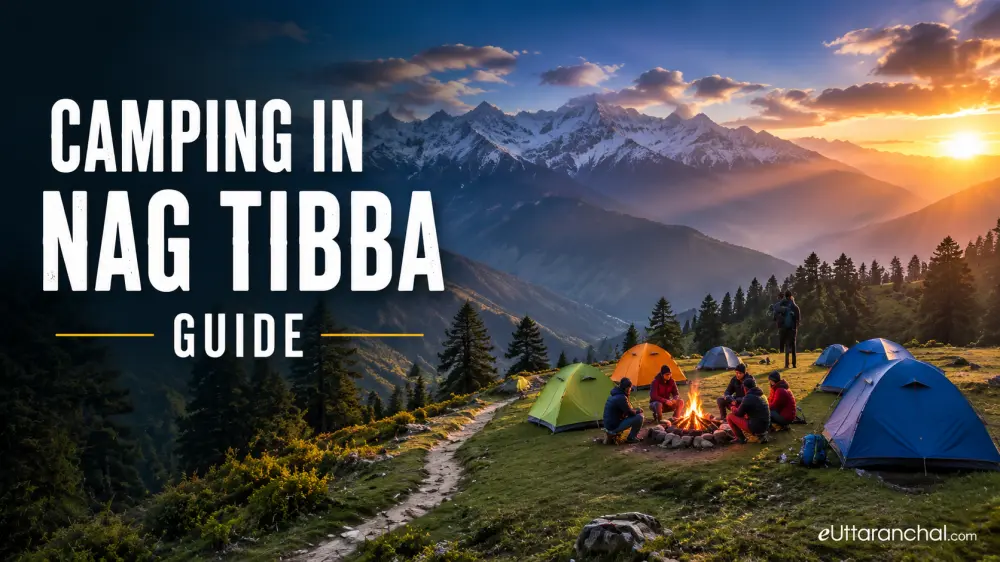
Nag Tibba is one of the most popular camping and trekking destinations near Dehradun and Mussoorie. Located at an altitude of about 9,915 ft, it offers scenic forest trails, Himalayan views and overnight camping opportunities, making it a preferred weekend getaway for trekkers from Delhi, Dehradun and nearby cities.
Most campers stay at Nag Tibba Base Camp during the trek and enjoy mountain views, sunrise experiences and night camping under clear skies. Camping is usually combined with the Nag Tibba Trek and can be completed over a weekend.

Get complete guide for Nag Tibba camping
Nag Tibba Camping Experience
The Nag Tibba camping experience usually begins from Pantwari Village, the starting point of the trek. After a gradual hike through forests and mountain trails, trekkers reach the designated camping areas where tents are set up for an overnight stay before proceeding towards the Nag Tibba summit.
Why Choose Nag Tibba for Camping?
Easy Weekend Trek: Nag Tibba is one of the easiest Himalayan camping treks accessible from Dehradun and Delhi.
Mountain Views: Campsites offer views of Bandarpoonch, Swargarohini and other Himalayan peaks.
Overnight Camping Experience: Trekkers can enjoy tent stays, bonfires and stargazing away from city lights.
Suitable for Beginners: The trail is well-defined and suitable for first-time trekkers and families.
Available Throughout the Year: Nag Tibba remains accessible in most seasons, including winter snow treks.
Things to do during Camping in Nag Tibba
- Nature Walks: Explore nearby forest trails and viewpoints around the campsite.
- Bird Watching: Spot Himalayan birds commonly found in the surrounding oak and rhododendron forests.
- Bonfire Nights: Campers often enjoy cozy bonfire nights under the starlit sky. It adds a magical touch to the camping experience and provides warmth in the chilly mountain evenings.
- Summit Visit: Trek to the Nag Tibba summit and enjoy 360-degree views of the surrounding Himalayan ranges.
- Photography: Capture sunrise views, Himalayan peaks and forest landscapes around the campsite.
Nag Tibba Camping Sites
Most organized Nag Tibba trekking groups camp at designated locations along the route. The following are the commonly used camping areas on the trek.
- Nag Tibba Base Camp: The most popular camping location on the trek route, offering open meadows and panoramic mountain views.
- Khatian Campsite: Located along the trekking route, Khatian serves as an alternative camping and resting point for trekkers.
What is the average cost of Camping in Nag Tibba?
Shared camping and trekking packages for Nag Tibba generally start from around Rs 1,500 per person, while premium camping experiences with better tents, meals and guide services may cost more depending on the season and group size.
Facilities Available at Nag Tibba Campsites
- Twin-sharing or group tents depending on the package selected.
- Basic vegetarian meals and evening refreshments.
- Common camping area for bonfire and group activities (weather permitting).
- Sleeping bags and sleeping mats provided by most organized trekking operators.
- Limited mobile network connectivity near camping locations.
- Basic washroom facilities at selected campsites.
Essentials for Nag Tibba Camping:
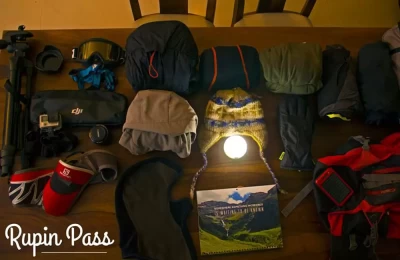
- Warm Clothing: Carry fleece jackets, thermals and windproof layers, especially during winter camping.
- Rain Protection: A poncho or waterproof jacket is useful during monsoon and unpredictable mountain weather.
- Trekking Gear: Comfortable trekking shoes, backpack, trekking poles, and appropriate clothing for varying weather conditions.
- Footwear: Sturdy and comfortable trekking shoes with good grip for trekking and camping activities.
- Personal Essentials: Sunscreen, sunglasses, a hat, a first aid kit, and personal hygiene items.
- Food and Water: Carry energy-rich snacks, a refillable water bottle, and a portable stove for cooking.
- Headlamp or Torch: Useful for moving around the campsite after sunset.
- Power Bank: Charging facilities may not be available at campsites.
Check Things to Pack for Camping in Nag Tibba
Tips for Nag Tibba Camping:
- Book in Advance: During weekends and holiday seasons, camps and trekking packages may get fully booked.
- Weather Awareness: Stay informed about the weather conditions to prepare adequately for temperature variations and potential rainfall. Check Current Nag Tibba Weather.
- Leave No Trace: Follow the principles of Leave No Trace, ensuring that you clean up after yourself and minimize environmental impact.
- Physical Fitness: Ensure you are physically prepared for trekking and camping, as Nag Tibba involves varying levels of difficulty.
- Best Time for Camping in Nag Tibba: Winter (December-February) for snow, spring (March-April) for blooming flowers, or summer (May-June) for pleasant weather. Monsoon treks are lush but require weather checks due to slippery trails.
- Safety: Hire a local guide for navigation, especially in winter snow.
- Travel Responsibly: Avoid littering, respect local communities and follow campsite instructions.
Nag Tibba camping is suitable for beginners, families and weekend trekkers looking for a short Himalayan camping experience. The combination of easy trekking routes, mountain views and overnight camping makes it one of the most accessible camping destinations in Uttarakhand.
Camping at Nag Tibba is a popular weekend adventure that combines trekking, mountain views and overnight camping in the Himalayas. Whether visiting during summer or winter, proper preparation and weather awareness can help ensure a safe and enjoyable experience.
Useful Tips
- Remember to respect the natural surroundings, local customs, and guidelines set by authorities to make your Nag Tibba camping experience enjoyable and eco-friendly.
- Check weather of Nag Tibba before planning for Camping
- If beginner or travelling in group, always book Camping Package of Nag Tibba from a reputed travel company.
- Connectivity: Intermittent mobile signals are available up to the base camp; Pantwari has all networks.