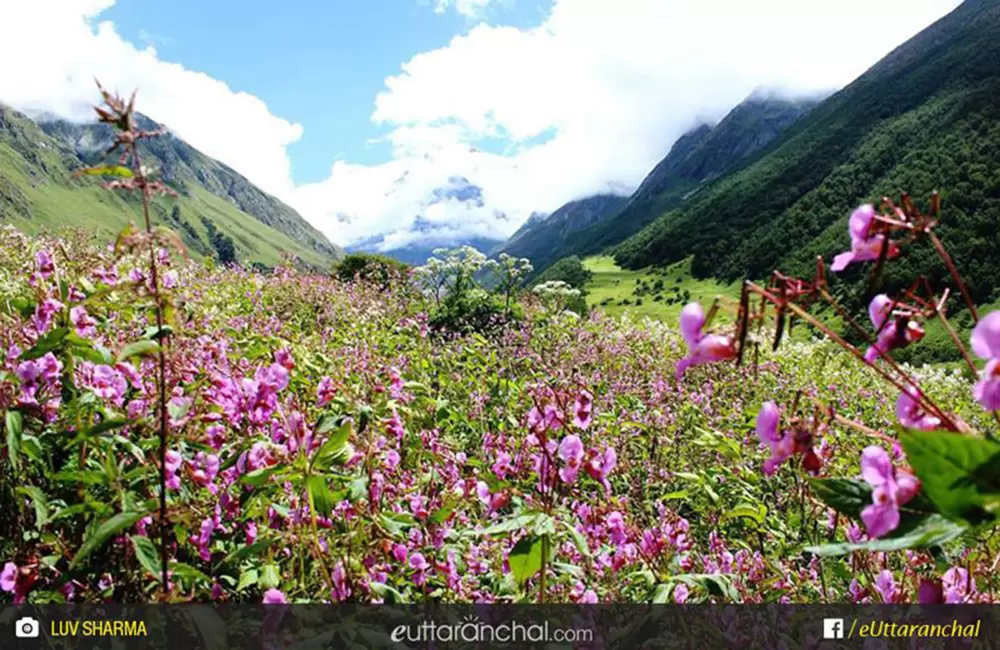
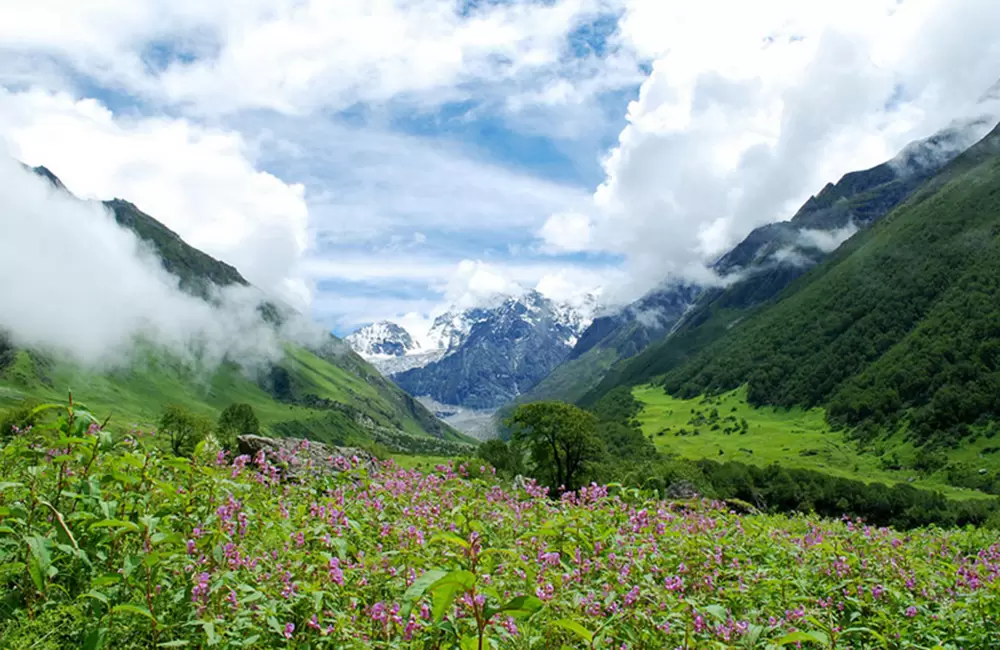
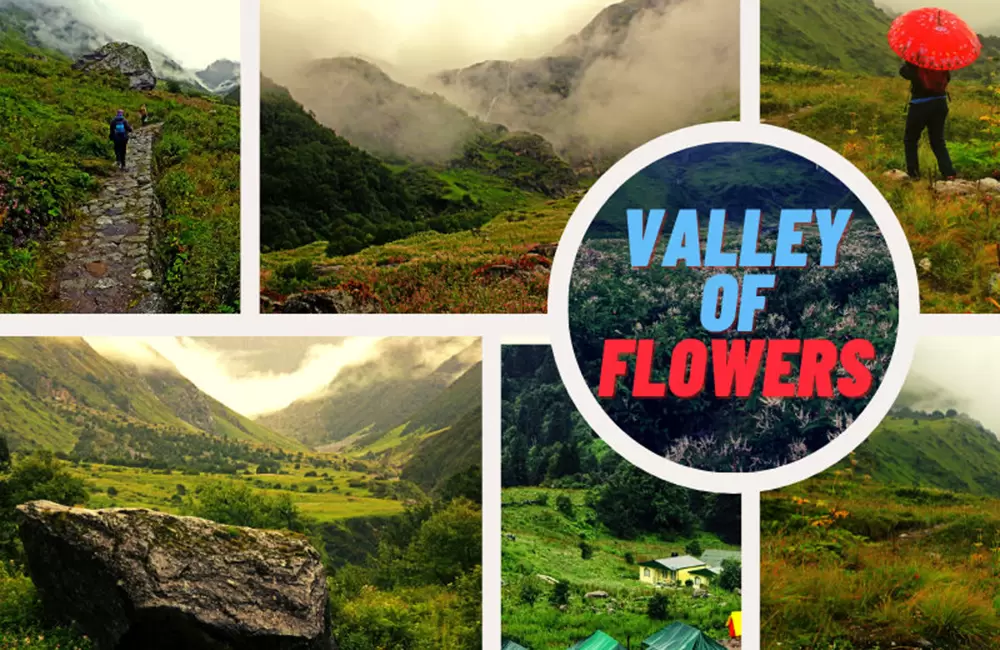
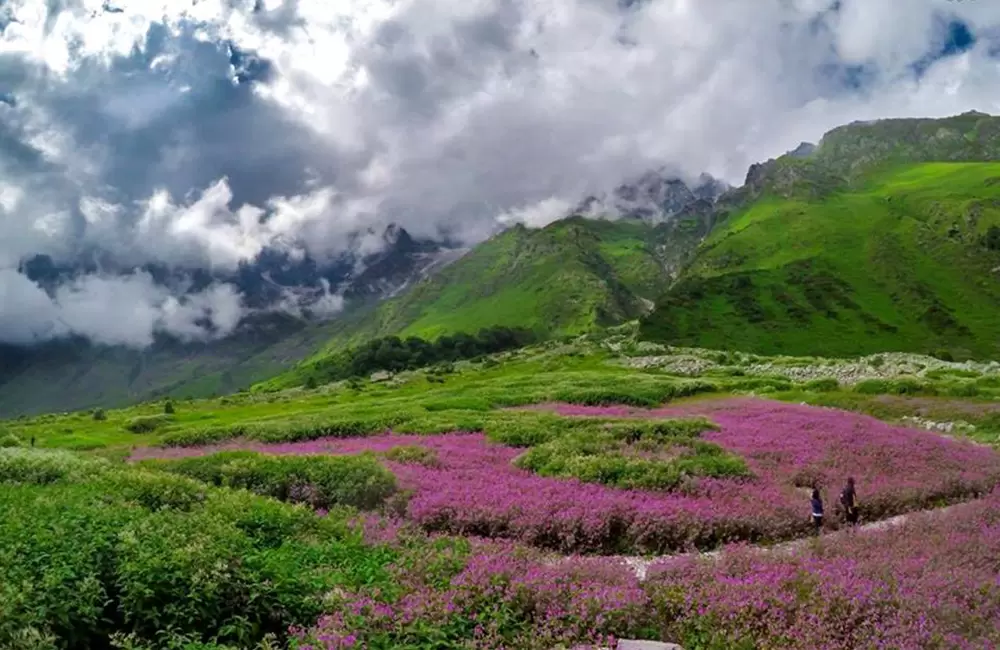
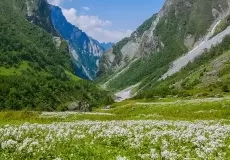
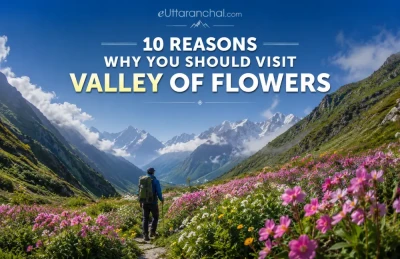
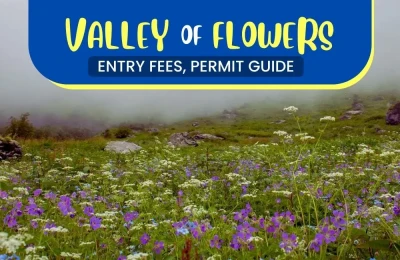
Bestowed with the rare and exotic Himalayan flora, the Valley of Flowers is a bouquet of nature peacefully snuggled in the West Himalayan region of Uttarakhand.
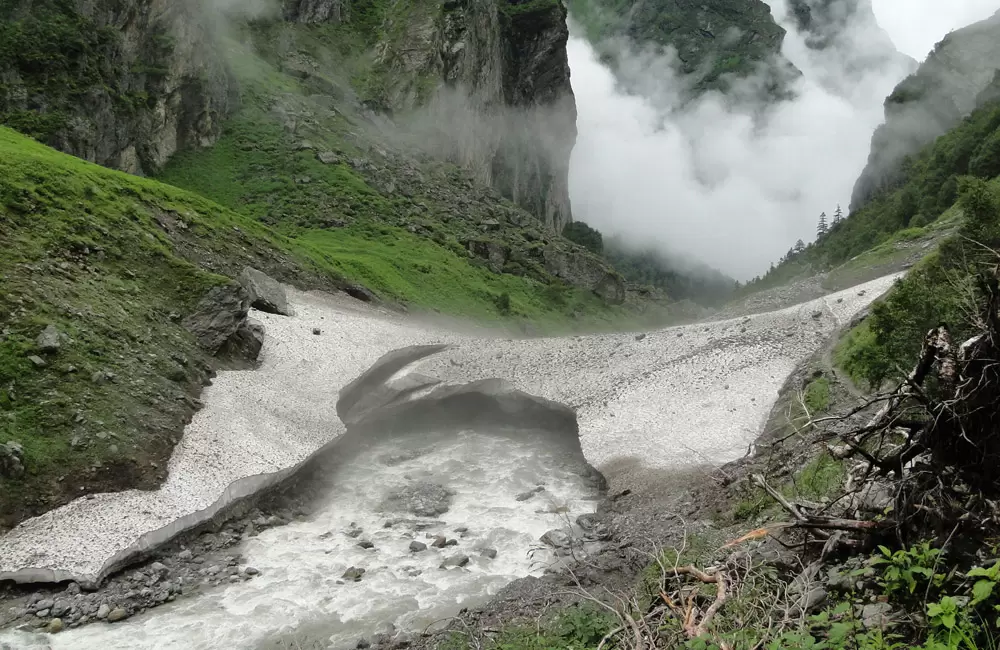
The trek of Valley of flowers goes through dense forests, along with Pushpawati river and can be reached by crossing many bridges, glaciers and waterfalls on the way.
Contact us for a free travel quote and Valley of Flowers itinerary for your travel plans.
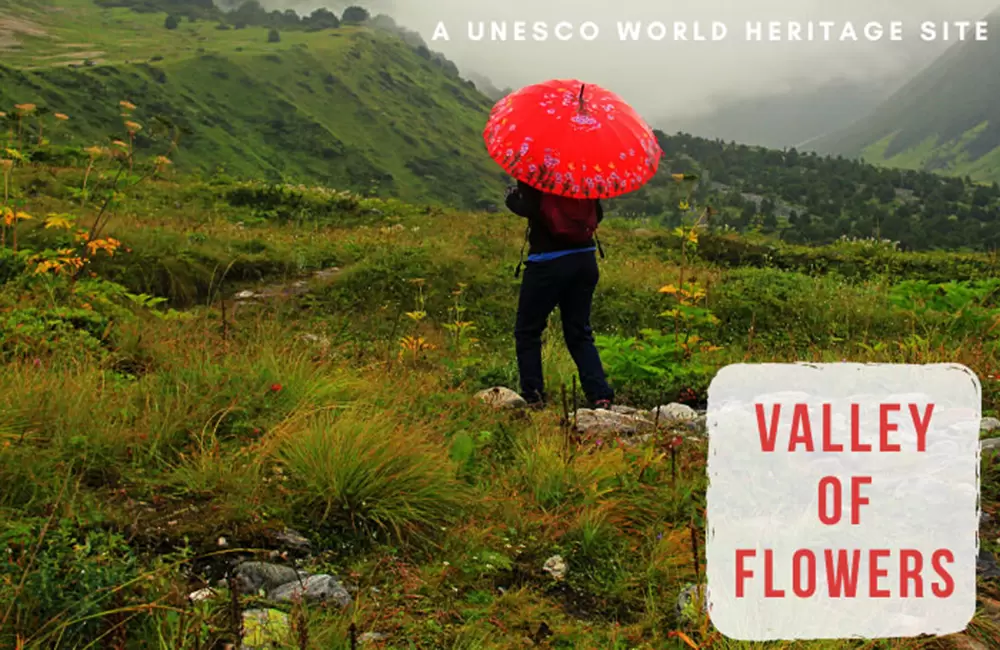
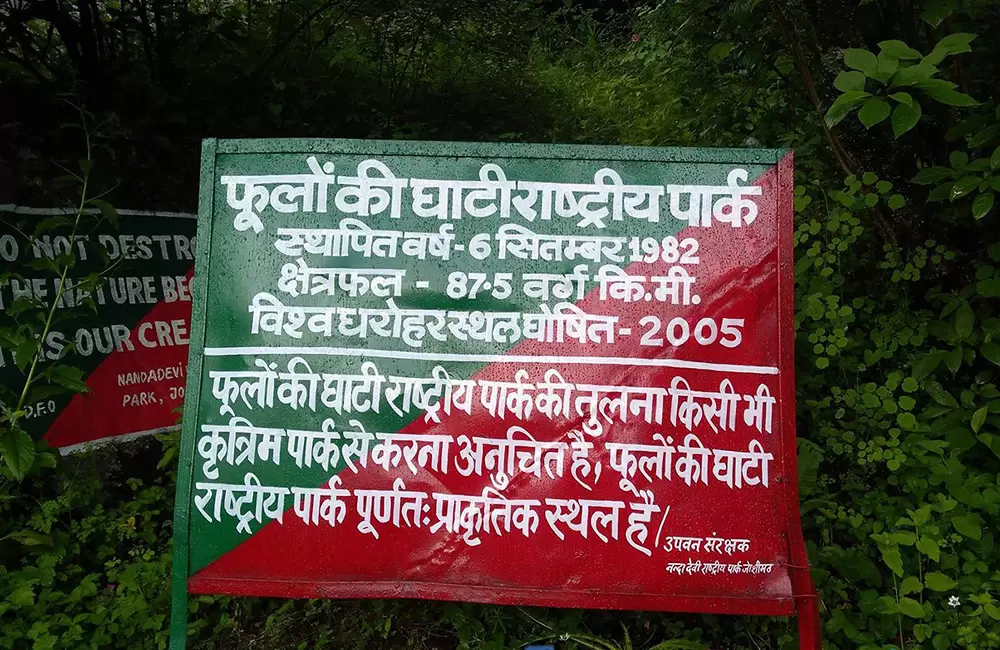
The region of Valley of Flowers is rich in varied flora and fauna. The valley of flowers was declared as the National Park of India in the year 1982 and it is now a UNESCO world heritage site. The virgin beauty of this mystical valley has always lured botanists, nature lovers and adventure lovers.
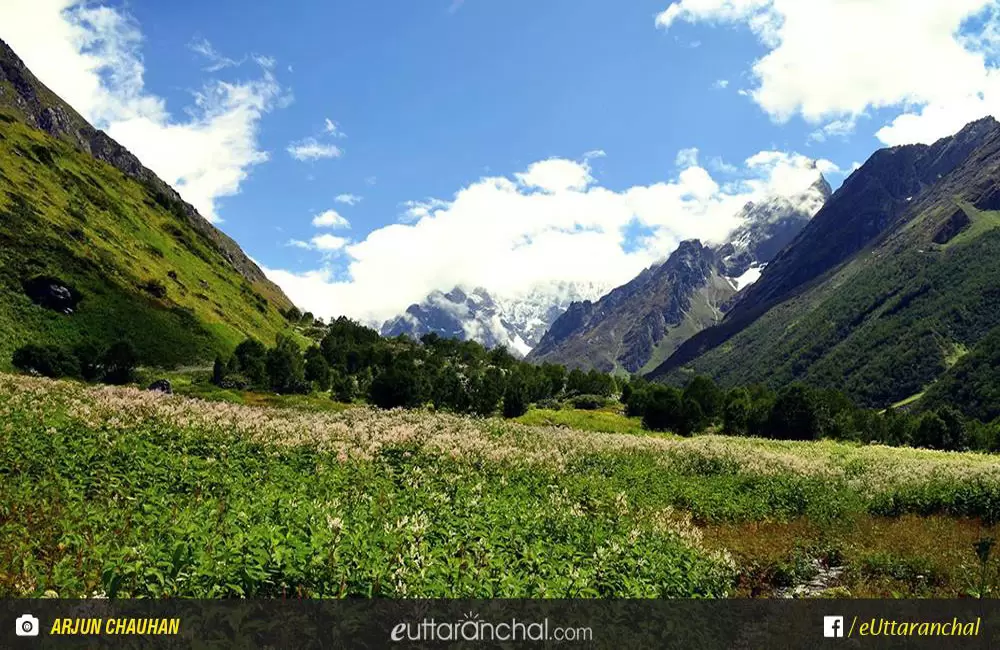
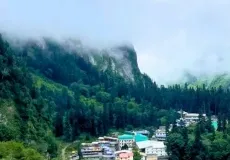
Tucked at 3,658 meters in Bhyundar Valley, the Valley of Flowers in Chamoli district sprawls over a vast expanse of 87.50 square kms, measuring 8 km long and 2 km wide. Valley of Flowers is the second core zone of the Nanda Devi Biosphere Reserve blessed with numerous cascading waterfalls, silvery glaciers and thickets that greet the visitant at every step. Ghangaria, a tiny hamlet situated 13 km from Govindghat is the last human habitation centre on the way to Valley of Flowers.
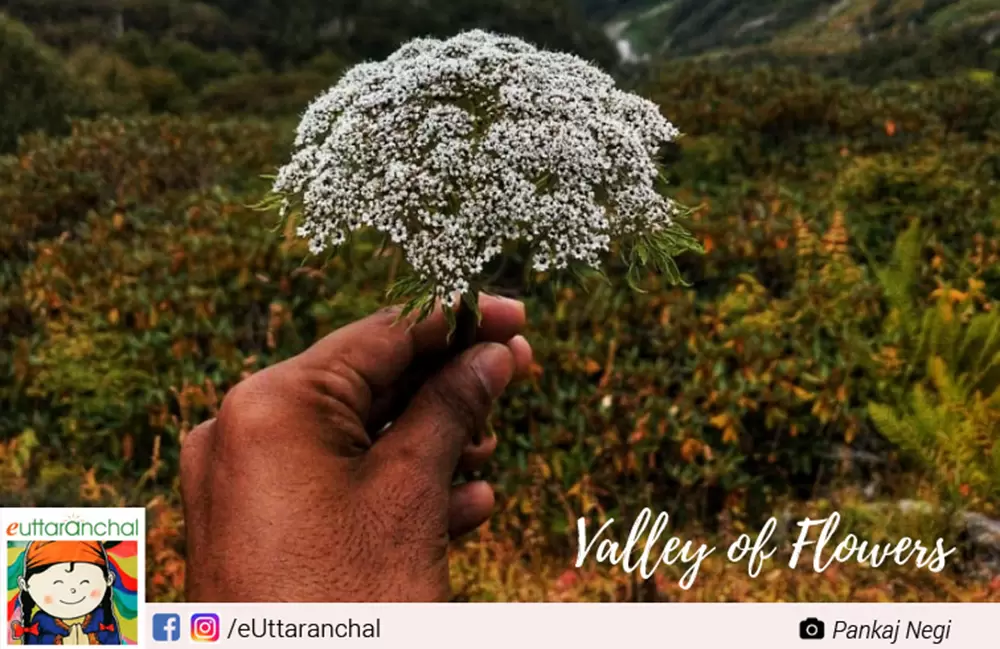
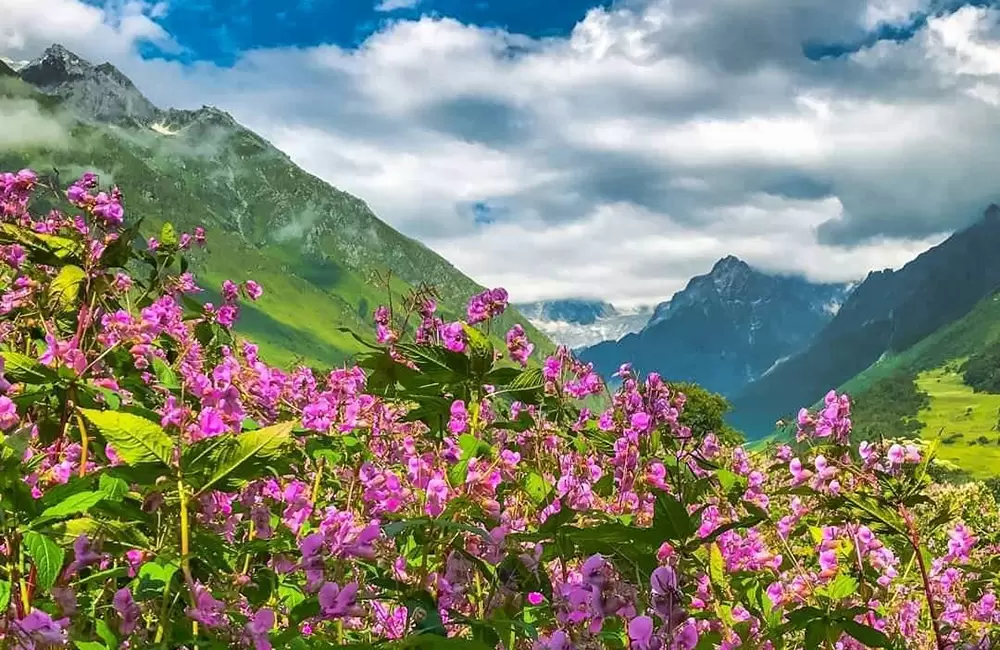
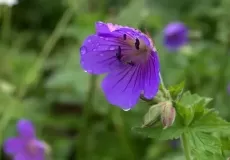
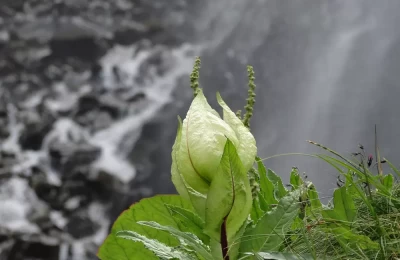
The valley of flowers seems to change its colors throughout the season from May to October, as blooms hundreds of different flowers, taking on various colours and shades as time progresses. The valley is home to many celebrated flowers like the Brahmakamal, the blue poppy and the cobra lily.
It is a much sought destination for flower-lovers, botanists, trekkers, photographers, bird watchers and wildlife photographers. This valley is very popular among International tourists and thousands of foreigners flock to Valley of Flowers every year.
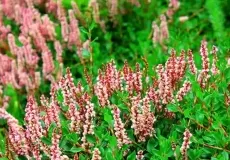
The blooming of flowers in the valley generally begins in the end of May or early June. However, this year the flowers have stated to bloom early. The scientists believe that the snow has started melting early this year which has lead to early blooming of flowers in the Valley of Flowers. Potentilla, wild rose and primula are some of the flower varieties which have already bloomed in the valley.

Opening Date of Valley of Flowers 2026: The Valley of Flowers opened for tourists and trekkers on 1 June 2026. VOF opening date for 2026 is fixed. Check out our Valley of flower tours.
Valley of Flowers Trekking Timings: The park opens at 7:00 AM daily, with the last entry allowed until 2:00 PM. Visitors must start their return trek by 1:00 PM to exit by 5:00 PM, ensuring compliance with the daily schedule.
Closing Date of Valley of Flowers 2026: Every year valley of flowers closes in October/November. This year, Valley of Flowers will be closed on 31 Oct 2026.
Unlike high-altitude summit treks focused mainly on adventure, the Valley of Flowers experience is more about nature, landscapes, wildflowers, and peaceful mountain walking. The trail combines glaciers, waterfalls, rivers, alpine meadows, and changing Himalayan weather into one of the most scenic monsoon journeys in Uttarakhand.
Many travellers are surprised by how calm and immersive the valley feels despite its popularity. The experience is less about speed and more about slowly observing the surrounding landscapes, flower-covered sections, and mountain atmosphere throughout the route.
The appearance of Valley of Flowers changes continuously throughout the trekking season. Early season visitors during June usually witness greener landscapes, melting snow patches, and fewer flowers, while July and August bring the valley into full bloom with dense flower coverage across the meadows.
Post-monsoon weeks during late August and September often provide clearer mountain visibility and comparatively stable weather conditions. Flower variety may reduce slightly by then, but the valley still remains visually stunning with cleaner skies and fresh greenery.
Being situated in the protected wildlife area, no one is allowed to stay for the night at mesmerizing Valley of Flowers, therefore there is no accommodation in the Park. So, one has to trek back to either Ghangaria or Govindghat in order to find an accommodation in the same day.
You can stay at private lodges and hotels at Ghangaria, the base camp for your trek to the Valley of Flowers.
There are no eating points in the valley and it takes around 5 to 8 hours to explore the valley. It is highly recommended to take packed lunch, refreshments in your day pack, if you are heading towards the flowers valley.
Only place you will find restaurants is at Ghangharia, where north Indian vegetarian food is served along with few popular Chinese, Punjabi and Garhwali dishes. Apart from that, one can find eating options at the hotels which have in-house restaurants.
Note: Be a responsible tourist and do not leave anything behind in the valley. Do carry back all the packaging material/waste and wrappers along with you and dump it at Ghangharia.
In the year 1931, three young British Mountaineers Frank S. Smythe, Eric Shipton and R.L. Holdsworth went astray from their path while descending from Mt. Kamet. The group accidentally reached a valley which was blanketed with alpine flowers and was left in the awe with its beauty, thus naming it as “The Valley of Flowers”. One of the climbers Frank S. Smythe later wrote a book called the ‘Valley of Flowers’.
The locals always knew about the existence of the valley and believed that it was inhabited by fairies and Gods. It was also believed earlier that one go goes to the Valley, is captured by fairies and never returned back.
For a beautiful trekking experience, nothing can be a better choice to indulge in an unforgettable and electrifying trekking expedition in the Valley of Flowers, Uttarakhand. Valley of Flower trek in Himalaya is a beautiful and a must do trek by every trekker, who wants to trek in the Himalayas. The traditional trek itinerary is given below, however you you can be little more adventurous by checking out this Old Trek route to Valley from Hanumanchatti.
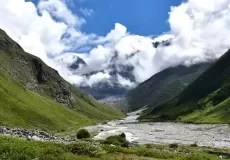
The trek towards the Valley begins at GovindGhat or Pulna Village, after crossing the Alaknanda river across a hanging bridge. The zig-zag mule track straightens through an ascending valley of terraced fields and vegetation. The trek becomes more exciting after Pulna Village - the Laxman Ganga becomes swifter, and between the green, rocky mountains, you can catch a glimpse of snow-clad peaks.
The 7 kms trail from Pulna to Bhyundar village is full of nature's scenic splendours including cascading waterfalls and cold water springs. Shrubs and wild roses grow abundantly and Rhododendrons colour the area with pink and dark red. Small wayside tea stalls run all across the route and young and enthusiastic tourist guides can be engaged at Bhyundar village. After resting awhile here, the trek on the right bank of the Laxman Ganga continues through the rich vegetation till a log bridge, supported on huge boulders, is reached. Crossing over to the left bank now, the trail becomes steeper and harder and 2 kms. from here, you will reach Ghangharia, the base camp for treks to Valley of Flowers and Hemkund Sahib.
Trek Update: A swift trek route to the Valley of Flowers has been carved which will easily guide you towards the empyrean floral valley. To make your sojourn rewarding a new motorable bridge has been erected in Govindghat, connecting 4 km towards the Valley of Flowers till Pulna Village. So now the tourists have to trek only 10 km to reach Ghangaria (the base camp of Valley of Flower Trek).
Planning to visit Valley of flowers but you are not sure about the itinerary so here we can help you. Check the detailed itinerary for valley of flowers trek.
Day 01: Rishikesh- Joshimath - 255 Km | 9 Hrs
Road Distance : 255 Kms
Time Taken : 9 Hrs
Altitude Change : 372 meter at Rishikesh to 1875 meter at Joshimath
Early morning leave for Joshimath from Rishikesh. It is located at a distance of 255 km away from Rishikesh and is the winter abode of Lord Badrinath. You’ll reach Joshimath by evening, check-in at a hotel and have an overnight stay. You can get direct buses to Joshimath from Rishikesh bus station or if you are looking for a comfortable journey then you can book a taxi to Joshimath from Rishikesh.
eUttaranchal tip 1: To save money use public transport to Joshimath. In case of no direct buses to Joshimath, break your journey to reach your destination or go for sharable jeeps like Tata sumo & max.
Road route: Rishikesh - Devprayag - Srinagar - Rudraprayag - Karnaprayag - Chamoli - Joshimath
Day 02: Joshimath – Govindghat - Ghangaria
Road Distance : 20 Kms
Trekking distance : 10 Km
Time Taken : 1 Hr by road & 6 Hrs for trek
Trek level : Moderate
Altitude Change : 1828 meter at Govindghat to 3049 meter at Ghangaria
Post breakfast, drive to Govindghat about 22 km away from Joshimath. Start trekking towards Ghangaria with packed lunch. Ghangaria also known as Govind Dham is the base camp for Hemkund Sahib and the Valley of Flowers trek. After completing 10 km trek, you will reach Ghangaria, where you will spend the night in.
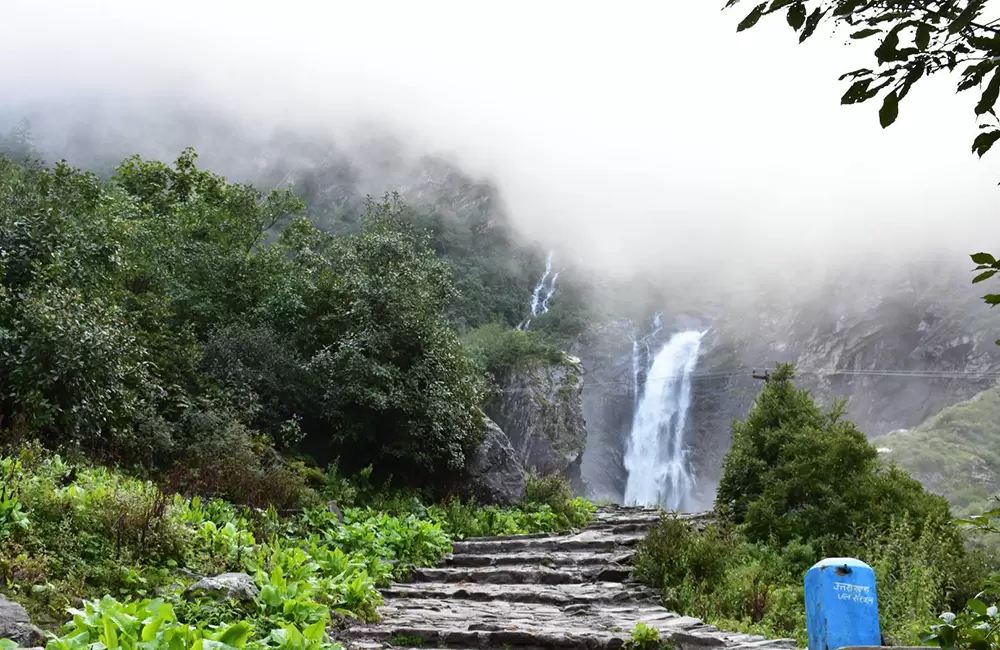
Note: Now the distance of 4 km from Govindghat to Pulna village is motorable. Earlier you had to walk 14kms to reach Valley of Flower National Park but after 2013 flood a new route has been constructed by govt. for travellers visiting to Hemkund and Valley of flowers.
eUttaranchal tip 2 : If trekking on a steep is a tough task for you then there is a good news for you. At Govindghat there are plenty of ponies, you can book one pony for your journey to Ghangaria. However, to enjoy the views & trek route, try to trek by yourself, also you can book pony only for your goods only.
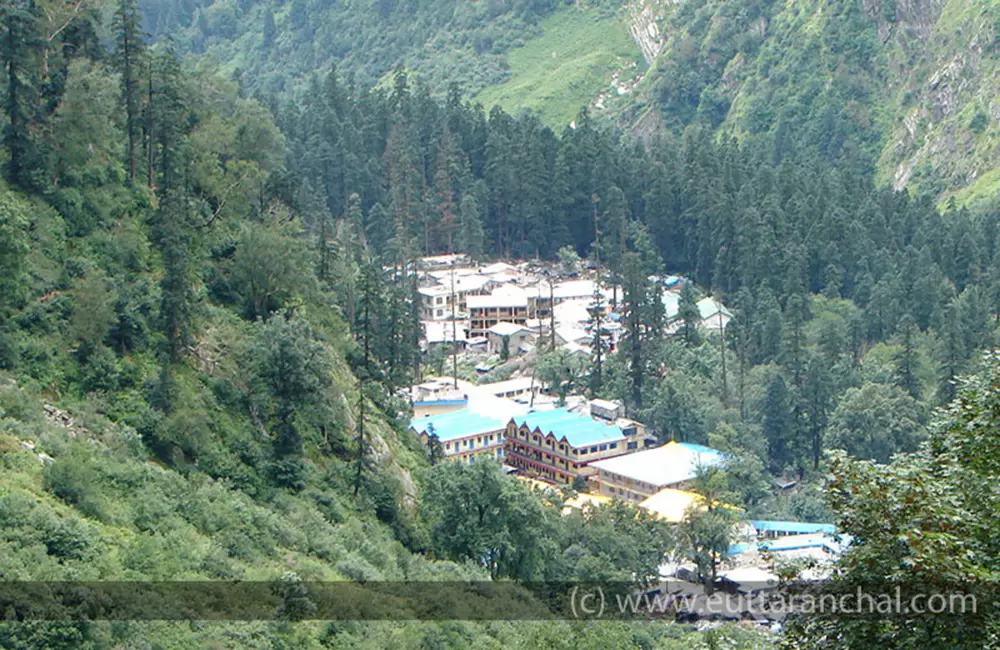
Day 03: Ghangaria- Valley of Flower- Ghangaria
Trekking distance : 7.5 Kms total for both side
Time Taken : 2 Hrs for one side
Trek level : Easy
Altitude Change : 3049 meter at Ghangaria to 3658 meter at Valley of Flowers
Today all your hard work will finally pay off as you will hike to the Valley of Flowers National Park. The swift trail will walk past the thick vegetation consisting of the exotic Himalayan flowers and the wild flora, creating an alluring canvas.
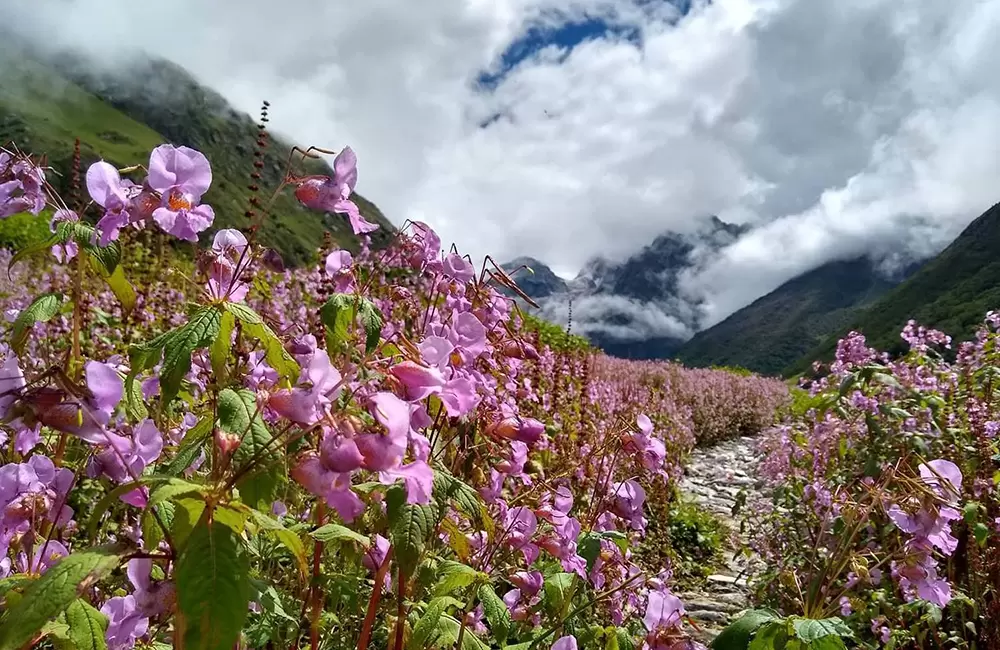
You can see several bubbling streams casually meandering through the valley. This beauteous place is a hub of various birds, butterflies, and insects. After exploring the valley, return to Ghangaria and have an overnight stay.

Board by forest department at Valley of flowers saying that you can't compare this natural heritage with any human made park. Unesco declared it a world heritage site in the year of 2005.
Day 04: Ghangaria – Govindghat –Joshimath
Post breakfast, start off by commencing the 10 km trek to Govindghat and then drive to Joshimath via Badrinath. On reaching Joshimath, check in at a hotel and have an overnight stay.
Day 05: Joshimath- Rishikesh
After having a nutritious breakfast, drive to Rishikesh and say goodbye to the hills.
*Note: you can extend your stay in Ghangharia for one more day and visit Hemkunt Sahib as well, which 6 kms from Ghangharia. Check Valley of flowers trekking tours
Other Website on Valley of Flowers: Valley of Flowers Uttarakhand
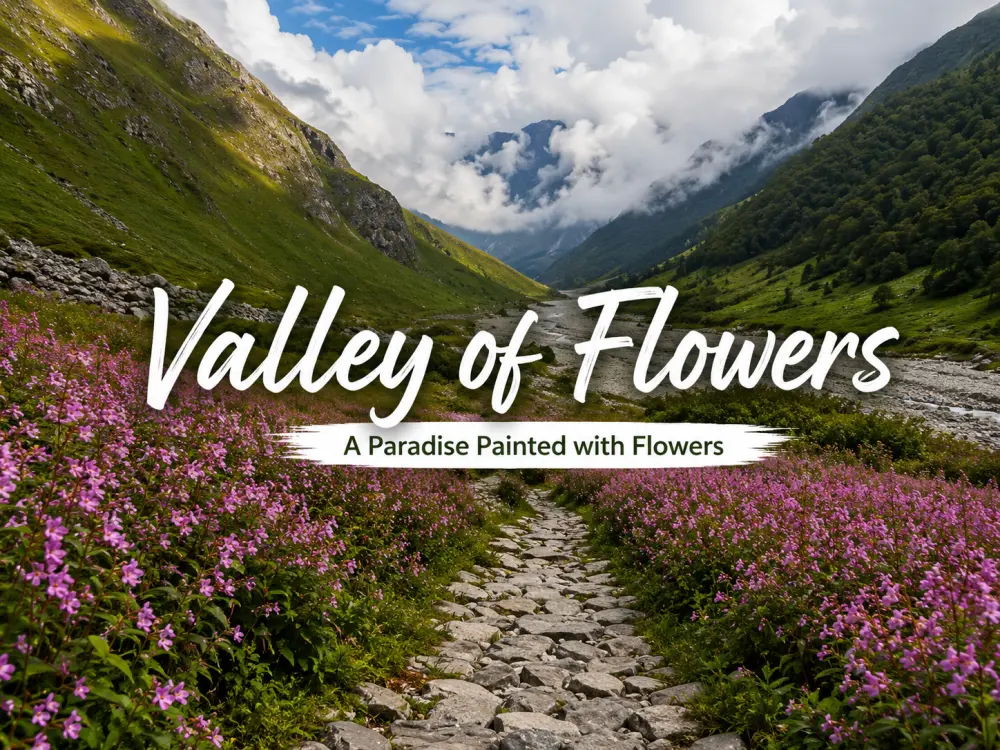
The trek itself is moderate for most travellers, but weather and continuous walking can become tiring for visitors not used to mountain routes. Rain is very common during the Valley of Flowers season, so waterproof shoes, rain covers, and extra clothing layers become extremely useful.
Trekkers should also start early from Ghangaria because afternoon rain and cloud build-up are frequent in the region. Mobile network availability becomes limited after Govindghat, and electricity interruptions can occasionally happen in higher areas during bad weather.
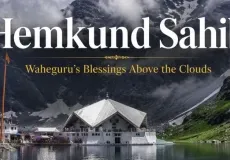
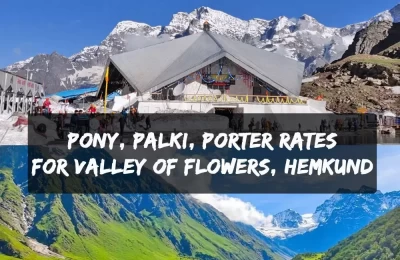
Many visitors plan both Valley of Flowers and Hemkund Sahib together during the same journey because both routes begin from Ghangaria. While Valley of Flowers focuses on natural beauty and alpine landscapes, Hemkund Sahib offers a very different high-altitude spiritual atmosphere beside the glacial lake.
The Hemkund Sahib climb is steeper and more physically demanding than the Valley trek, so travellers should keep an extra day for proper acclimatization and rest. Weather conditions near Hemkund also change rapidly during afternoon hours.
Valley of Flowers during winter is not accessible for trekking. The month of November to third week of May marks the winter season in Valley of Flowers. Snow starts to cover up the entire area of the Valley of Flowers during Winter. You cannot travel in winter to the Valley of Flowers. The flowers dry up and the seeds shed off. The winter month in Valley of Flowers covers up all these seeds under the blanket of snow which then germinate in the next season when the Winter in the Valley of Flowers is over.
Here are practical tips for traveling to the Valley of Flowers in Uttarakhand, tailored for a smooth and enjoyable trip:
Plan and Prepare
Check out the Valley of Flowers weather report for June
The minimun and maximum temperature in June in Valley of Flowers is 16°C and 6°C respectively. The weather is generally pleasant and clear in June and you would feel pleasant throughout the day. Light Woolen clothes are recommended for Valley of Flowers in June.
Valley of Flowers is famous among tourist as Trekking, Flowers, Vegetation, Flora and Fauna, UNESCO Site, Valley, Valley Trek.
Valley of Flowers is recommended destination for Corporates, Family and Kids, Foreigners, Groups, Solo.
Valley of Flowers is popular destination for following activities/ interests - Adventure, Bird Watching, Emerging Destinations, National Parks and Wildlife Sanctuaries, Trekking, UNESCO World Heritage Sites, Wildlife Tourism.