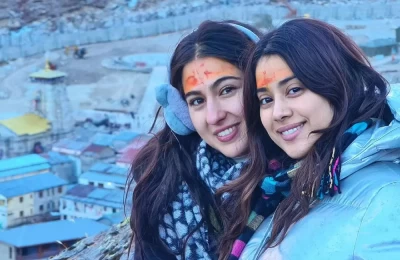
Kedarnath Travel Guide
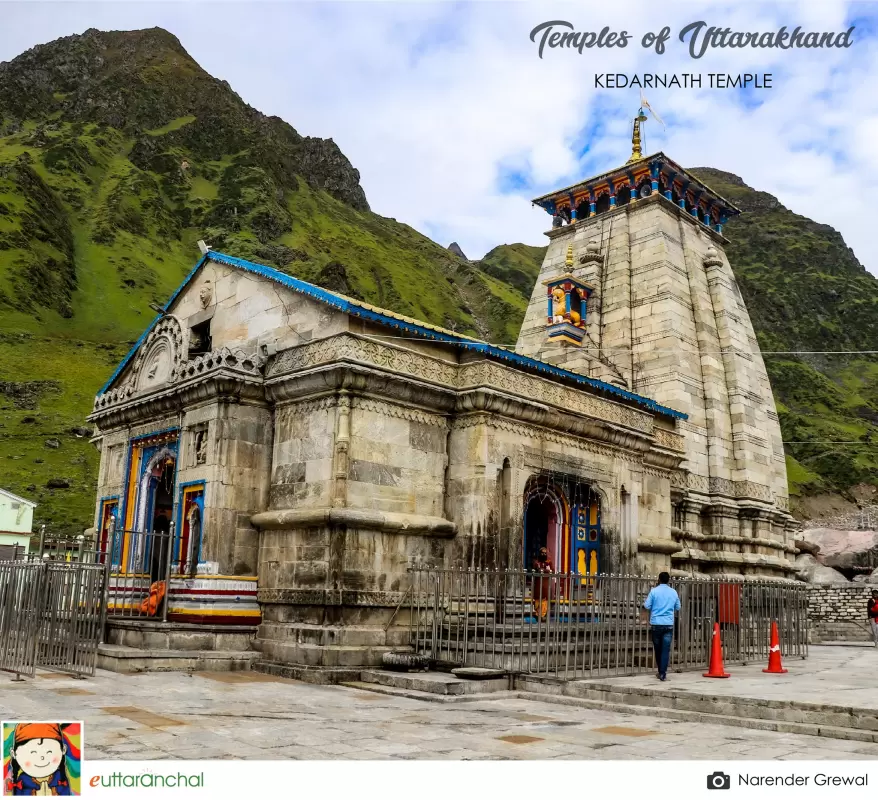
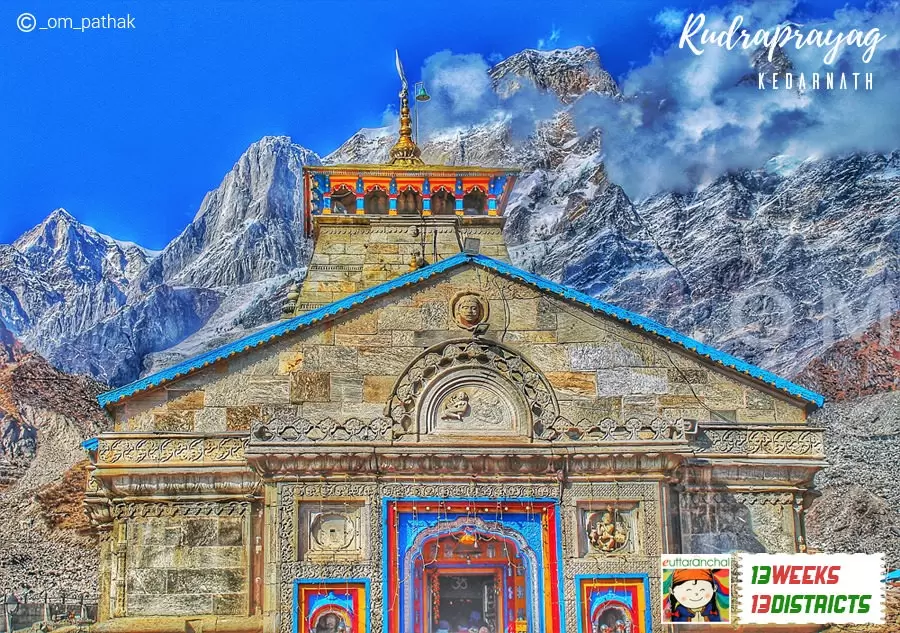
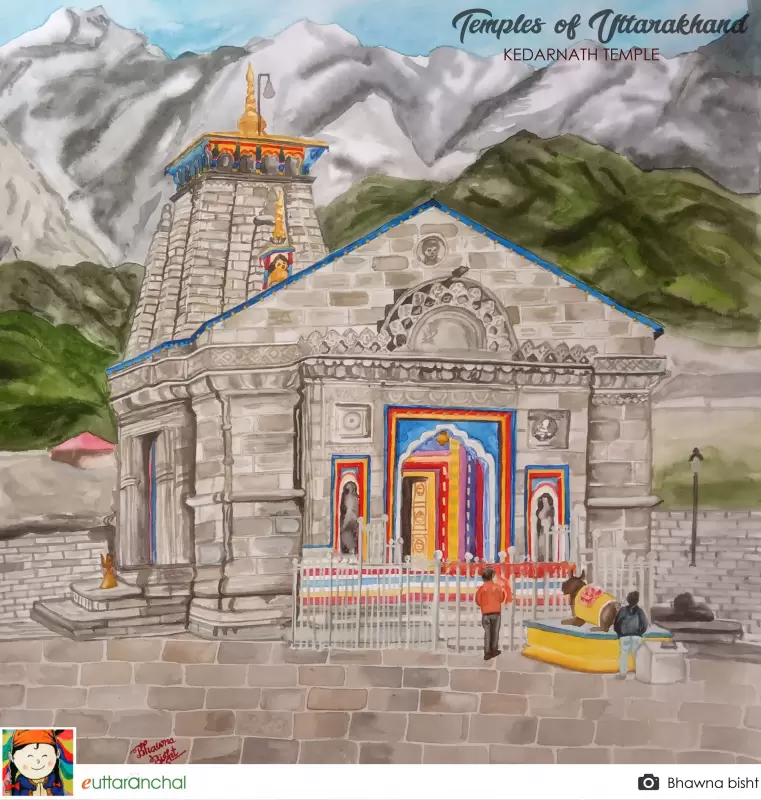
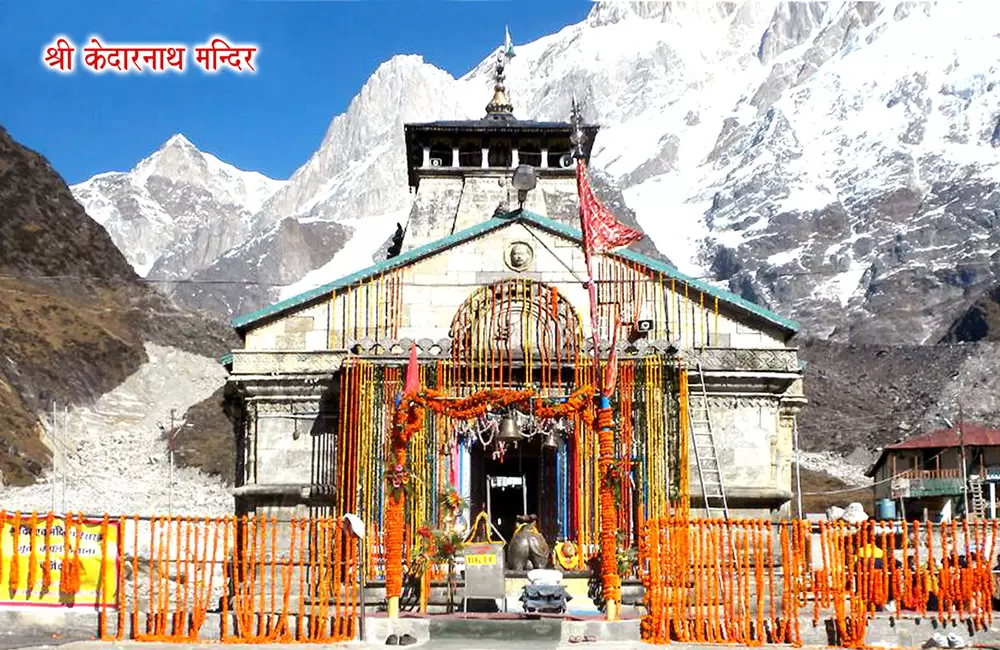
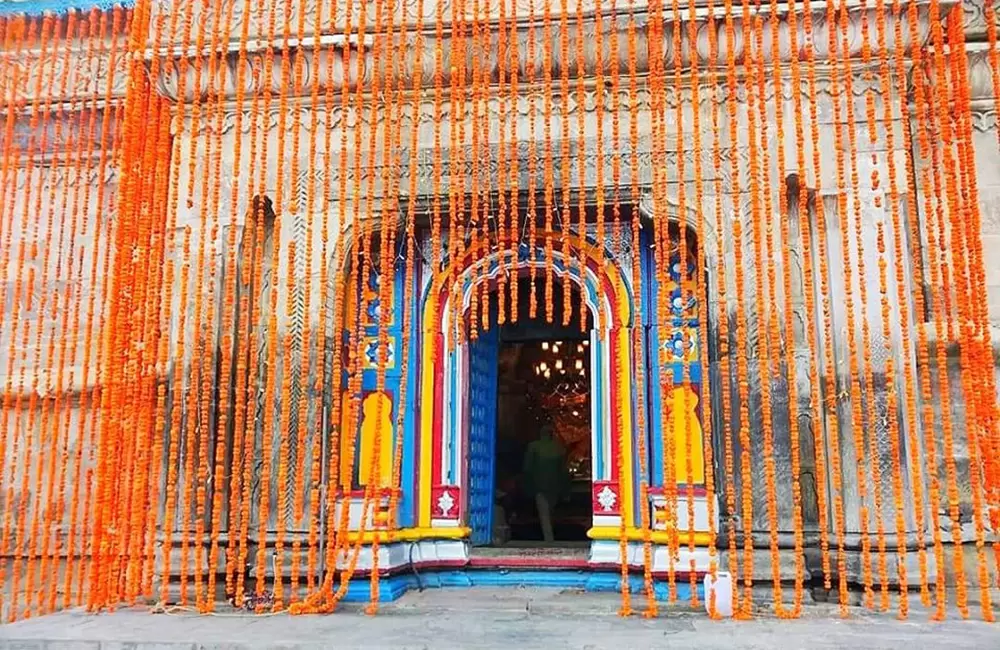
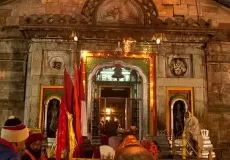
Kedarnath temple is a part of Char Dhams and Panch Kedar in Uttarakhand and one of the 12 Jyotirlingas of Lord Shiva in India. The historical name of this region is "Kedar Khand".
Visit to Kedarnath Dham is considered to be very auspicious and most important among the Char Dham Yatra circuit.
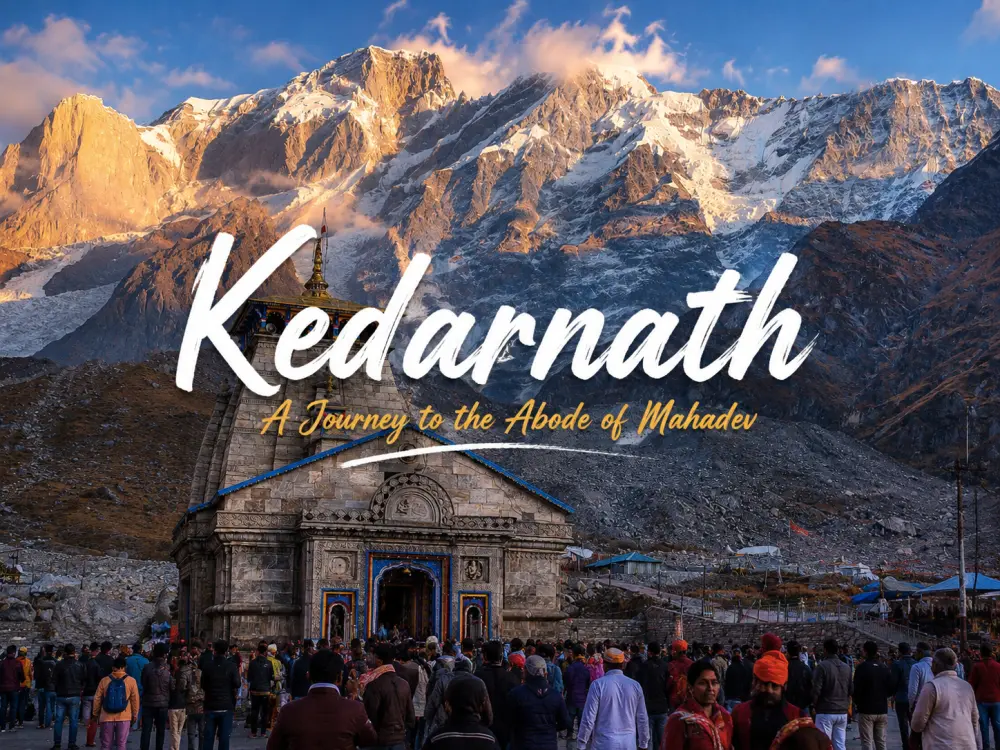
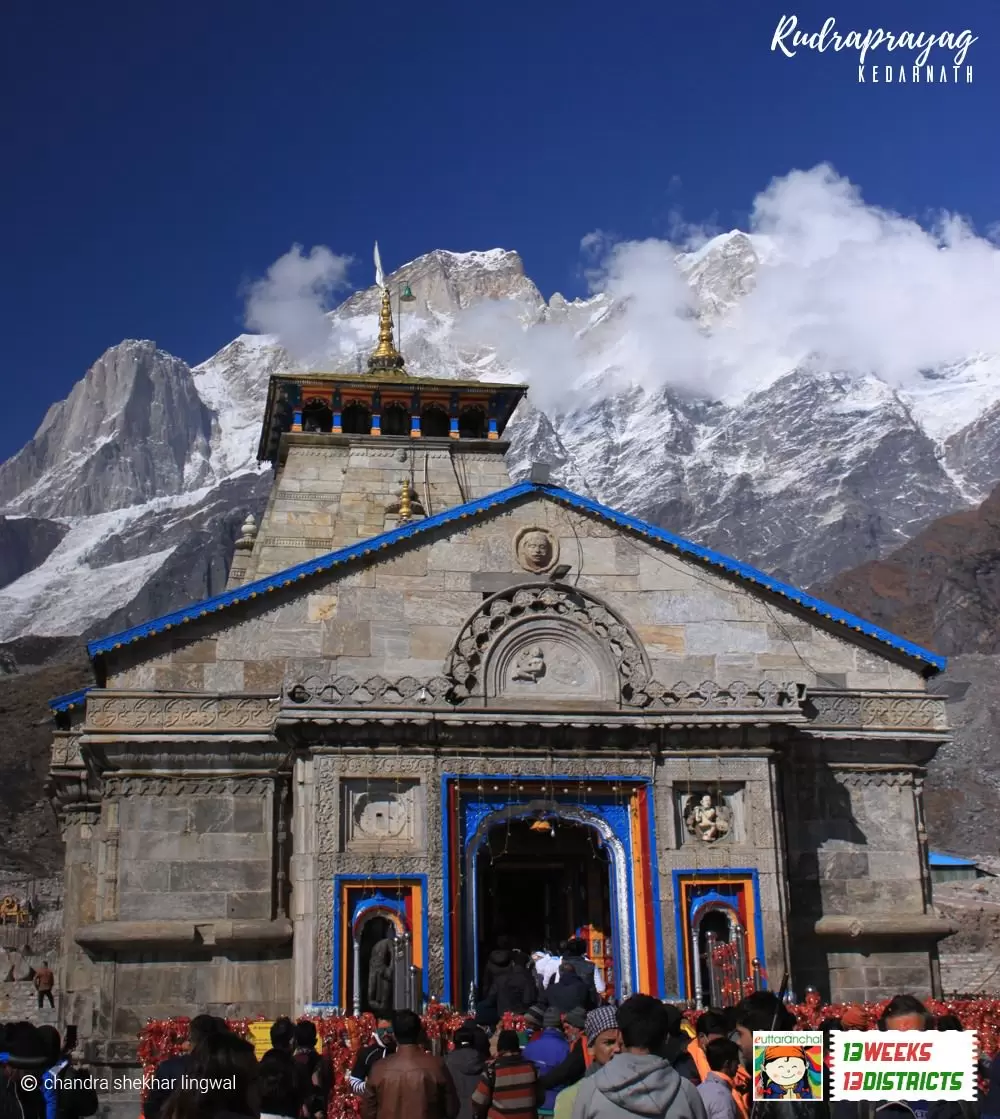
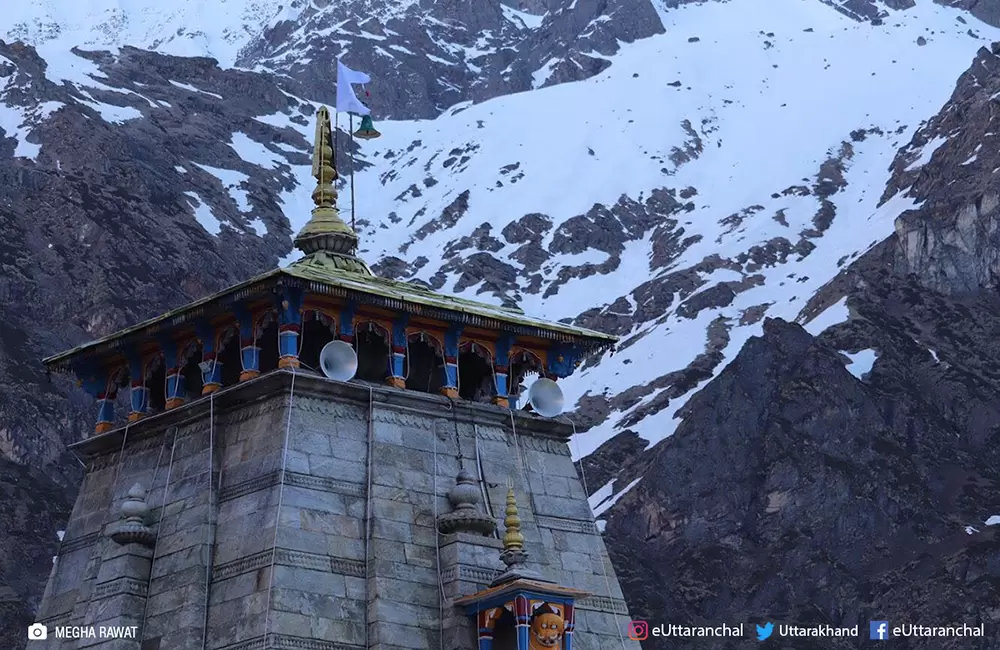
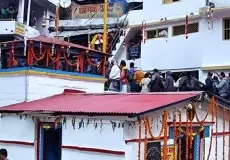
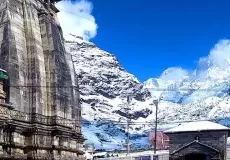
Kedarnath is flanked by breathtaking snow-capped peaks, making it the most remote site among all four Char Dham Shrines. The scenic beauty of Kedarnath town attracts lots of tourists from all over the world. You will find it quite crowded during the summer season (May and June).
The extreme weather condition of Kedarnath prompts the temple to remain open from the end of April to the beginning of November. 4G network is now available at Kedarnath by Jio, Airtel, and BSNL.
Tips for Easy Darshan at Kedarnath Dham
The shrine sees peak crowds during the day. For assured darshan, it’s advisable to stay overnight. The rush eases after 5 pm once helicopter services stop. Attending the aarti at night or early the next morning is also a deeply spiritual experience.
Check the Kedarnath Temple opening and closing dates before you plan your trip. If you want faster access at the temple, see our guide to Kedarnath Sugam (VIP) Darshan.
Kedarnath Morning vs Evening Experience
Most pilgrims visit Kedarnath Temple during the daytime rush, but the atmosphere changes completely during early morning and late evening hours. Between 4:30 AM and 6:30 AM, the valley remains quieter, temperatures stay crisp, and the first sunlight falling on the snow-covered peaks creates one of the most peaceful moments of the yatra.
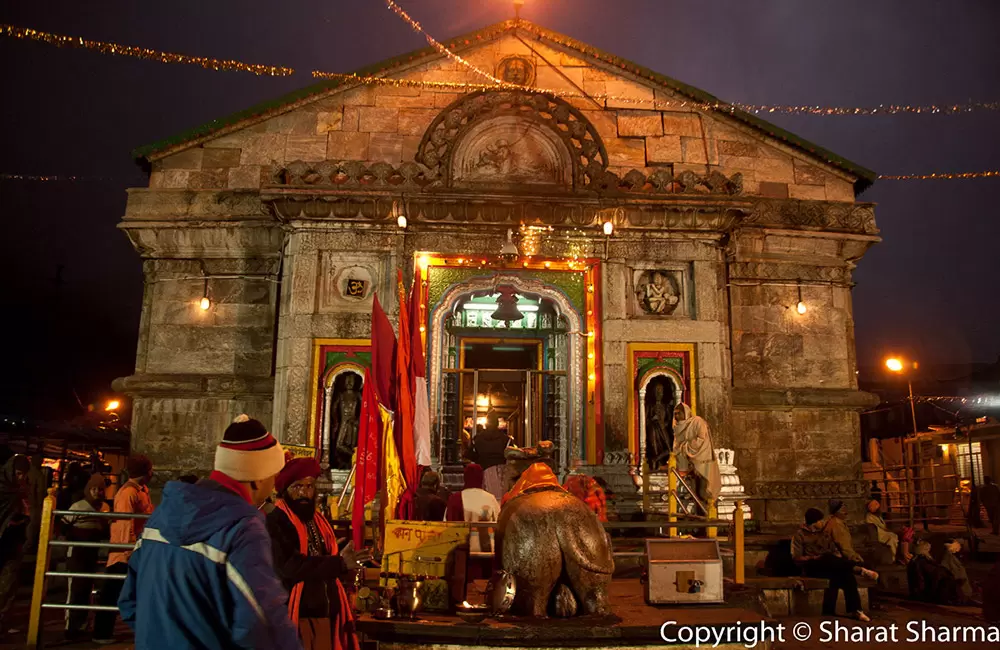
Evening aarti hours also offer a different experience altogether. As temperatures drop rapidly after sunset, pilgrims gather near the temple complex while the sound of bells and chants echoes through the valley. Carrying thermal layers during evening darshan is strongly recommended even during May and June.
Things Travellers Often Underestimate Before Kedarnath Trek
Many first-time visitors assume the Kedarnath trek is only about distance, but weather and altitude play a much bigger role than expected. Sudden rain, thin air, and steep walking sections between Jungle Chatti and Linchauli can slow down even regular walkers.
It is advisable to start the trek before sunrise from Gaurikund, especially during peak yatra season. Afternoon weather in the valley changes quickly and cloud build-up may reduce visibility on the route. Carrying a lightweight rain poncho, glucose packets, and reusable water bottle makes the journey more comfortable.
Most pilgrims prefer Kedarnath tour packages for a safe and well-organized journey. Get Details Guide on How to reach Kedarnath Dham
Due to limited travel season and high demand, it is advisable to plan your Kedarnath yatra well in advance. Booking a reliable tour package ensures safety, accommodation availability, and a smooth pilgrimage experience.
Activities in Kedarnath
Pilgrimage – Perched at an altitude of 3,500 meters, Kedarnath is one of the most revered Hindu shrines and thousands of pilgrims partake in arduous pilgrimage every year. The shrine sleeps under a thick blanket of snow during winters.
Trekking – Kedarnath temple is located 19 km from Gaurikund, the nearest town with road connectivity. Thus, one has to trek 16 kms to the Kedarnath shrine making it a wonderful trekking experience. You can also extend your treks to Chorabari Tal, Vasuki Tal and Bhairon mandir in Kedarnath
Camping in Kedarnath – Since there is only little accommodation at Kedarnath, tourists and pilgrims can also set up tents near the town and enjoy the natural beauty that envelops the town as well as the towering Kedarnath peak in the background.
Staying in Kedarnath
You will find a big Govt tented colony consisted of Tents, Cottage, and rooms just before Kedarnath is operated by GMVN, which are sufficient to accommodate more than a thousand pilgrims and tourists. There are many hotels and lodges around the temple since Kedarnath is a small place. You can find a room upon reaching there.
All the stays and food is extremely basic, the geyser is a big luxury, so don't expect running hot water or room service, you're getting to sleep on a bed at that height is enough in itself.
Nowadays, many tourists take Helicopters to Kedarnath for a day's visit and come back from Kedarnath the same day. They generally stay in these locations: Phata, Rampur, Gaurikund, Sitapur, Sonprayag, Guptkasthi, etc. For more details check hotels in Kedarnath.
Useful Stay Advice for Kedarnath Pilgrims
Accommodation availability in Kedarnath changes heavily during weekends, temple opening weeks, and long holiday periods. Many pilgrims prefer staying overnight in Guptkashi, Sitapur, or Sonprayag to avoid last-minute room shortages near the trek route.
At Kedarnath itself, temperatures remain cold even in summer nights. Rooms near the temple area are basic but practical for pilgrims attending early morning darshan. Carrying personal medicines, extra socks, and simple dry snacks becomes helpful as supplies in the upper valley are weather dependent.
Kedarnath Food Guide
Apart from few roadside dhabas and tea stalls there are not many good eating options at Kedarnath. The local restaurants serve north Indian vegetarian food. Due to being a revered religious place, alcohol and non-vegetarian food is strictly prohibited at Kedarnath.
History of Kedarnath
According to Mahabharata, the Pandavas had built the Kedarnath Temple where they pleased Lord Shiva with their penance. The temple was revived by the great Hindu philosopher, Adi Shankaracharya in the 8th century CE, when he visited the place with his four disciples. Sadly, the temple was hit by the catastrophic floods of 2013, which engulfed hundreds innocent lives.
Mythology about Kedarnath
There is a famous Hindu mythology related to the origin of Kedarnath temple, which states that after the Mahabharata war, the Pandavas went on an anonymous journey to beg mercy from Lord Shiva. After failing multiple times, Bhima was able to find Lord Shiva, who had incarnated as a bull to hide from the Pandavas.
Bhima tried to catch it and hit its hind part with his mace. The injured bull then immersed in the earth and its body parts appeared indifferent places. It is believed that the hind part of the bull appeared at Kedarnath, from which a 'Jyotirlinga' or light flickered and Lord Shiva appeared in his divine avatar.
It is said that after taking the blessings of the cosmic light, the Pandavas were exempted of their sins and Lord Shiva told them, “from now onwards, I will be present here as a triangular shaped Jyotir Linga and by paying obeisance at Kedarnath, the devotees would attain piety". From then onwards, a triangular shaped rock is worshiped in the 'Garbhagriha' or the sanctum sanctorum of the temple.
The other four parts of Lord Shiva fell at Tungnath, Rudranath, Madhmaheshwar and Kapleshwar. Kedarnath along with these four are also described as Panch Kedar.
Pilgrims believe that a visit to Kedarnath:
- Washes away sins
- Grants moksha (liberation)
- Completes the Char Dham pilgrimage
Suggested Kedarnath Tour Itinerary
If you're planning your first Kedarnath trip and aren't sure how to plan the Kedarnath Dham yatra, this itinerary will help you map it out.
A 4 to 5 day itinerary for Kedarnath Dham offers a good mix of spirituality and adventure.
Day 1: Reach Rishikesh
Rishikesh is well connected by rail, and inter-state and national bus routes. If you're flying in, Jollygrant Airport is about 20 km away, roughly a 35-minute drive. It helps to travel overnight so you reach Rishikesh in the early morning and can start the road journey to Kedarnath the same day.
Day 2: Rishikesh to Sonprayag or Gaurikund (211 km / 8 hours by road)
From the Rishikesh bus terminal, you can catch a bus or shared Tata Sumo toward Sonprayag. Direct buses to Sonprayag are hard to find, so it's usually easier to book to Guptkashi instead — the last major town before Kedarnath, with regular daily service from most major cities in Uttarakhand. You can also route via Rudraprayag and then on to Guptkashi. From Guptkashi, shared jeeps or Tata Sumos cover the remaining stretch to Sonprayag.
Road route from Rishikesh to Sonprayag:
Rishikesh > Devprayag > Srinagar > Rudraprayag > Augustmuni > Guptkashi > Sonprayag
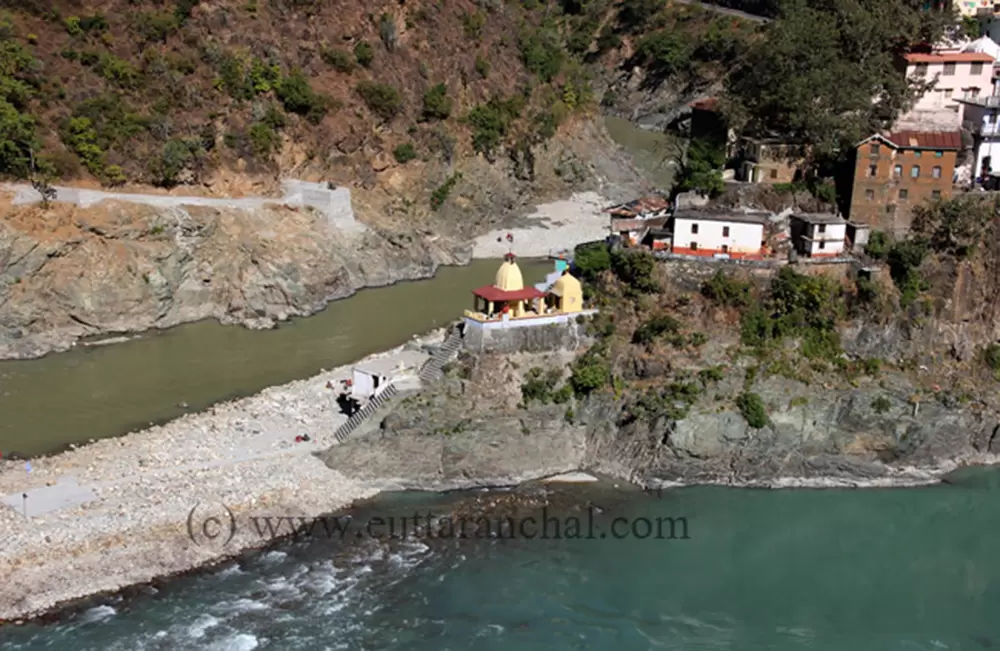
Rudraprayag - Confluence of Mandakini & Alaknanda rivers.
Biometric registration at Sonprayag
Every pilgrim is required to complete biometric registration for the Kedarnath yatra. You can do this in advance online — see how to complete Char Dham biometric registration online — or complete it on arrival at Sonprayag. Either way, carry your Aadhaar card with you.
Facilities available at Sonprayag:
- Biometric registration for the Kedarnath and wider Char Dham yatra.
- Accommodation ranging from budget to deluxe hotels.
- Parking for personal vehicles.
- Shared jeep shuttle service onward to Gaurikund.
Sonprayag to Gaurikund shuttle, and staying overnight at Gaurikund
Sonprayag is the last point any vehicle — personal or public — can reach. Beyond this, the remaining 5 km to Gaurikund is covered only by shared shuttle jeeps; there's a large parking area at Sonprayag on the bank of the Mandakini for pilgrims arriving by car. Shuttle fares are modest and charged per person — confirm the current rate at the counter, since it's revised from time to time.
Once you reach Gaurikund, hotel rooms are available directly from local owners — room charges vary by hotel and by season, with rates rising sharply during peak yatra months (May–June). It's worth asking two or three owners before settling, rather than assuming a fixed budget rate.
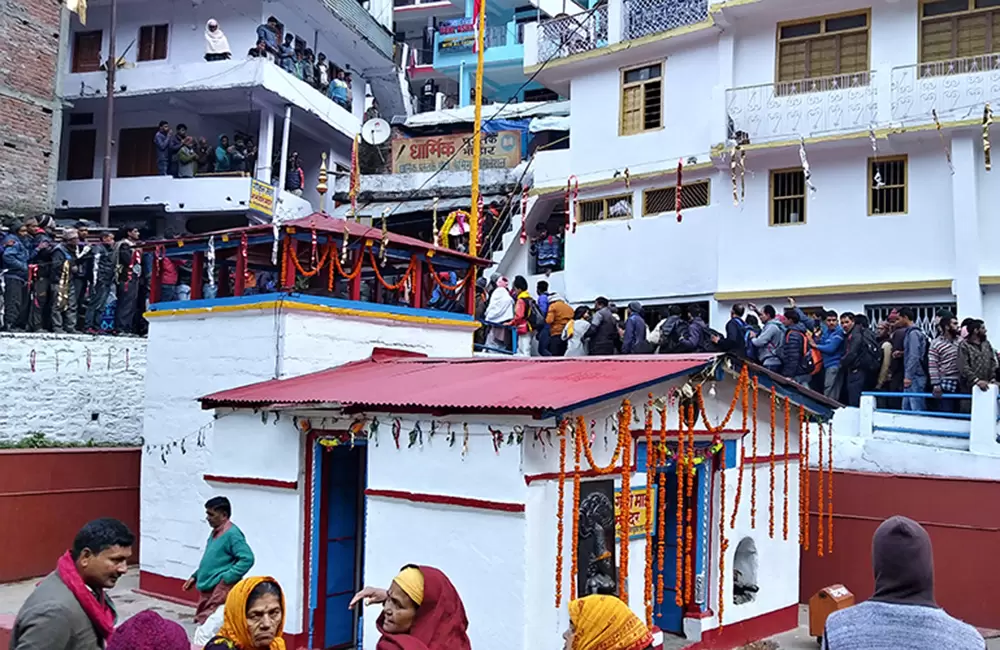
Baba Kedar Doli at Gaurikund, on its way toward Kedarnath temple.
Day 3: Gaurikund to Kedarnath (16 km trek / 5–6 hours)
The trek to Kedarnath from Gaurikund runs 16 km along a paved path. Horses and ponies are available if you'd rather not walk the full stretch.
A few trekking tips for the journey:
- Start early in the morning to avoid the harsher midday sun.
- Don't set off on an empty stomach — it makes the climb harder than it needs to be.
- Carry a rain poncho or umbrella; weather in the valley can shift quickly.
- Pack light and wear shoes with good grip — a heavy bag slows you down and can strain your back over 16 km.
- Carry a reusable water bottle, and don't discard plastic on the trail.
- Stay alert on the path, especially near returning ponies — they use the same trail downhill and can be dangerous if you're not paying attention.
- The stretch between Jungle Chatti and Linchauli is where most first-time trekkers feel it the most — it's steeper than the earlier part of the route, so pace yourself rather than pushing hard early on.
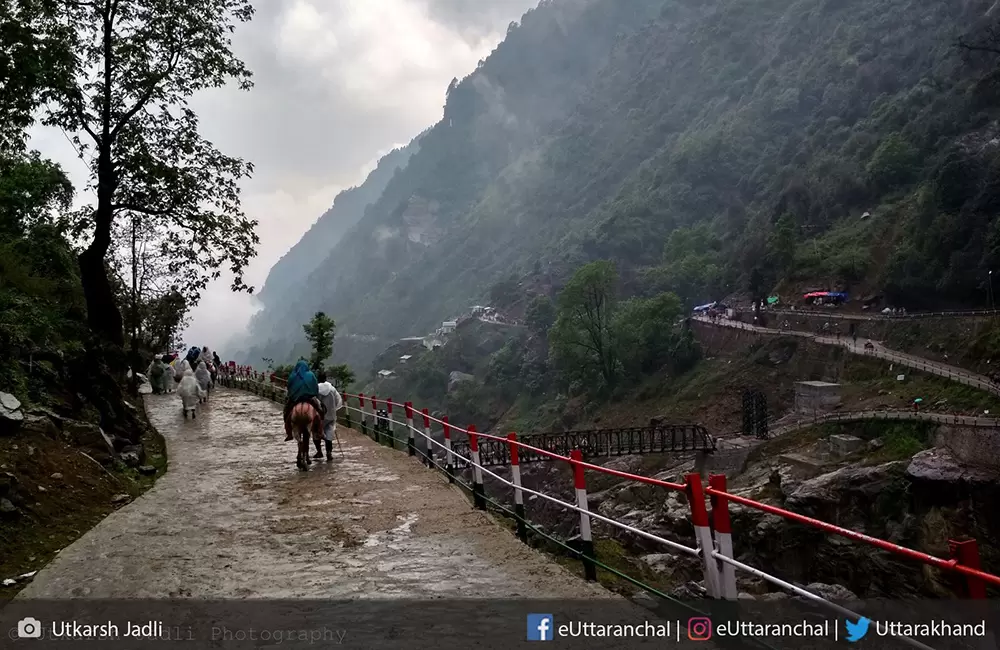
Trek route to Kedarnath Temple
Starting around 8 AM, you'll typically reach Kedarnath by early-to-mid afternoon, around 3 PM. Find a room for the night — solo travellers may end up sharing a room, while families with a bit more budget can book a room to themselves. Evenings are a good time for photography and simply taking in the temple atmosphere.
It's worth chatting with fellow pilgrims about their own journeys — it's a good way to unwind after a long trek. Walking around the temple with the snow-capped Himalayas as a backdrop is, for many pilgrims, one of the most memorable moments of the whole yatra. Have an early dinner and turn in on time — you'll want to be rested for the trek back down the next day.
Day 4: Kedarnath Temple to Sonprayag via Gaurikund (16 km trek / 5–6 hours)
Wake early, bathe, and head to Kedarnath Temple for darshan. From joining the queue to completing darshan usually takes about three hours, though this can run longer during peak season. Prasad shops are available around the temple. Afterward, consider visiting Baba Bhairav Temple, about 600 metres away on a nearby hilltop.
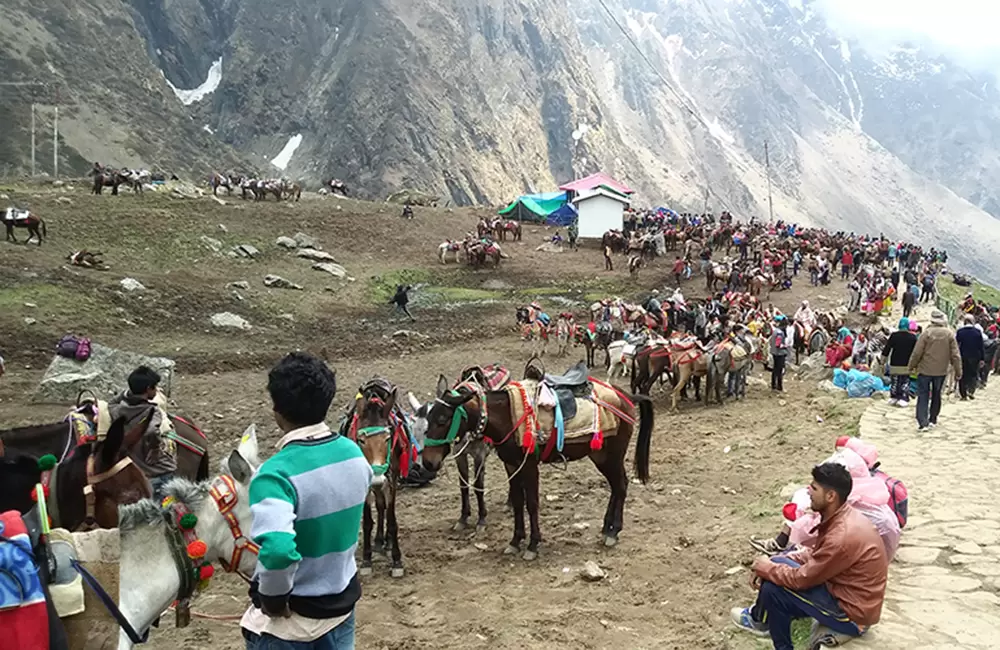
Mule stand — you'll need to buy a token if you want to cover the trekking route on mule-back.
eUttaranchal Tip 1: If you plan to visit Bhairavnath Temple, do it right after checking out of your hotel — there's a small shortcut from Bhairav Temple that rejoins the main trail, saving you real time on the way back to Gaurikund/Sonprayag.
You can hire a pony, palki, or trek the distance yourself. It takes 5 to 6 hours to reach Gaurikund, from where a shuttle takes you on to Sonprayag.
eUttaranchal Tip 2: If you reach Sonprayag by 2–3 PM, push on to Guptkashi (30 km / roughly 1.5 hours) the same evening. It saves you time the next morning and gets you ahead of the morning traffic out.
Day 5: Guptkashi to Rishikesh (184 km / 7 hours)
The final leg back to Rishikesh takes 7–8 hours. Start early so you have time to catch a night bus or train onward from Rishikesh if needed.
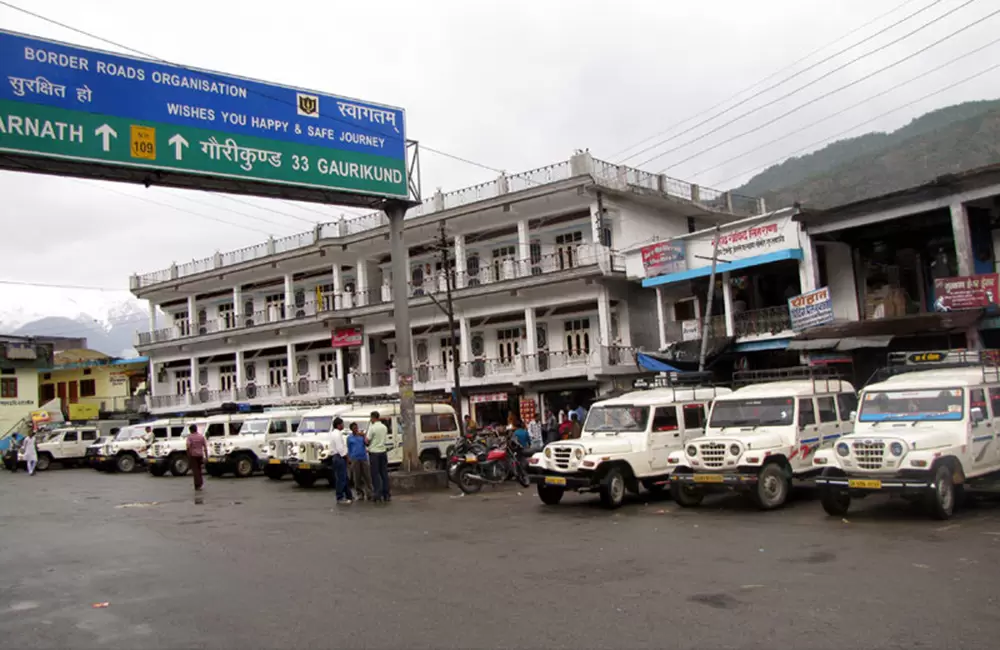
Guptkashi main market, on the Kedarnath highway.
Easy Way to Visit Kedarnath Temple
If a 16 km trek isn't realistic for you, a pony, palki, or helicopter can get you to Kedarnath without walking the full route. Helicopter fares in particular have changed a fair amount over recent seasons and vary by helipad, so rather than quote a fixed number here that may already be out of date by the time you read this, check the current fare on the official IRCTC Heli Yatra portal before booking.
- Book your stay at Phata, one of the closer helipad towns to Kedarnath.
- Book your helicopter service to Kedarnath from Phata, Sersi, or Guptkashi — Phata and Sersi tend to run cheaper than Guptkashi, but availability shifts by season, so confirm current rates and open dates on the official portal.
- Complete your darshan and return via the Kedarnath Helipad to your starting point.
- If budget is a bigger concern than time, Sersi is usually the lower-cost route; some pilgrims fly one-way and trek back down, since the descent is easier than the climb.
- For pony or palki instead, check the official Kedarnath Pony and Palki rate chart before hiring — rates are set seasonally and vary by route segment.
Note: Helicopter and pony fares are revised each season and vary widely across booking sources online — always confirm the current rate on the official portal or at the counter rather than relying on a number you've seen elsewhere, including this page.
Kedarnath in Winters
Kedarnath Temple stays closed for around six months over winter due to heavy snowfall and extreme cold. Check the Kedarnath opening and closing dates before planning a visit outside the main yatra season.
Kedarnath Weather
Check out the Kedarnath weather report for July
Kedarnath Weather in July
The minimun and maximum temperature in July in Kedarnath is 6°C and 15°C respectively. The weather is generally cloudy and rains in July and you would feel pleasant throughout the day. Light Woolen clothes are recommended for Kedarnath in July.
What is Kedarnath famous for?
Kedarnath is famous among tourist as Kedarnath Temple, Char Dham Yatra, Trekking, Himalayas, Pilgrimage, Panch Kedar, Religious.
Kedarnath is recommended destination for Family and Kids, Foreigners, Groups, Solo.
Kedarnath is popular destination for following activities/ interests - Helipads, Panch Kedar, Religious, Shiva Temples, Temples, Trekking.