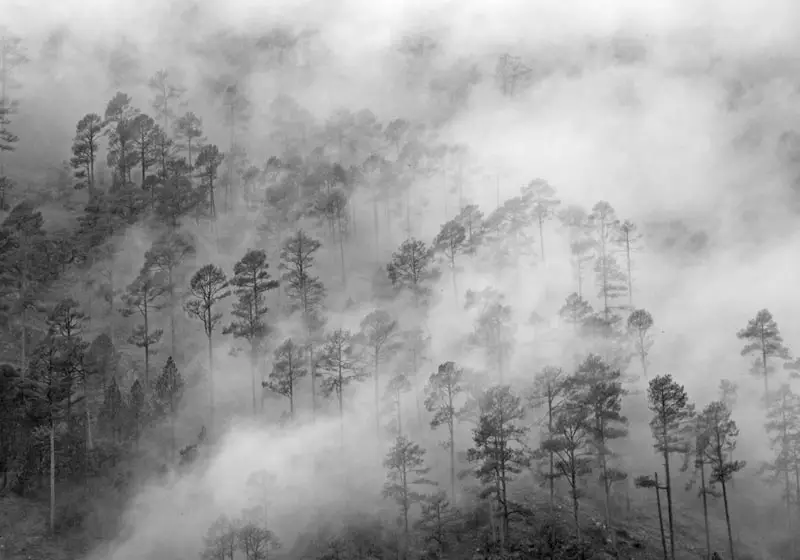
Johar Valley lies in the Pithoragarh district of Kumaon and stretches towards the Milam Glacier region. The valley is surrounded by towering Himalayan peaks including Nanda Devi East, Hardeol, Panchachuli, Trishuli, and Nanda Kot. Historically, it was an important trade route between India and Tibet before the Indo-China border closure in 1962.
The gateway to Johar Valley is Munsiyari, it is also knonw as Milam Valley or Gori Ganga Valley.
Get Personalised Johar Valley Travel Quote
Contact us for a free travel quote and Johar Valley itinerary for your travel plans.
Tucked away in the remote corners of Kumaon in Uttarakhand, the breathtaking Johar Valley is one of the Himalayas’ best-kept secrets. Far from the crowds of Mussoorie and Manali, Johar Valley offers untouched landscapes, ancient villages, glaciers, alpine meadows, and a deep connection with Himalayan culture. Located along the Gori Ganga River near the Indo-Tibetan border, the valley is a dream destination for trekkers, photographers, nature lovers, and anyone seeking peace in the mountains.
The Warmth of the Johari Shauka Community
One of the most memorable parts of visiting Johar Valley is meeting the local Johari Shauka community. These mountain people have lived here for generations and carry a beautiful blend of Kumaoni and Tibetan culture. Their history as traders along the ancient India-Tibet route is still reflected in their food, homes, traditions, and lifestyle.
In villages like Martoli and Milam, life still feels deeply connected to nature. Many families return to these high-altitude villages every summer, reopening ancestral homes and continuing traditions passed down over centuries. Sitting with locals over a cup of tea often becomes one of the most meaningful experiences of the journey. Their stories about old trade routes, harsh winters, mountain survival, and local legends add a human connection that guidebooks can never offer.
The people here are simple, warm, and incredibly resilient. Even a short interaction leaves a lasting impression.
Activities in Johar Valley
Trekking in Johar Valley
Each of these treks offers a unique opportunity to immerse yourself in the raw beauty and untamed wilderness of Johar Valley. Whether you’re a seasoned trekker or a novice adventurer, there’s a trail waiting to be explored in this enchanting corner of the Himalayas. Johar Valley is among Uttarakhand’s top trekking regions with routes leading to:
Milam Glacier Trek
Nanda Devi East Base Camp
Ralam Dhura Pass Trek
Namik Glacier
Ralam Glacier – Brijganga Dhura Trek
Camping: The valley offers excellent camping opportunities near rivers, meadows, and Himalayan villages.
Photography: Every corner of Johar Valley feels postcard-worthy — from snow peaks and rivers to wooden homes and ancient temples.
Village Tourism: Travelers can experience authentic Kumaoni hospitality through homestays and local village experiences.
A Paradise for Wildlife and Bird Watching
Johar Valley is not just about mountains — it’s also one of the richest wildlife regions in Kumaon. Around Munsiyari, forests are full of Himalayan birdlife. Early mornings are especially magical, with the sounds of wagtails, ravens, Himalayan griffons, falcons, and eagles filling the air.
As you move higher into the valley, the landscape becomes more rugged and wild. Bharal, also known as blue sheep, are often seen grazing on steep Himalayan slopes near Martoli and Milam. The region is also home to the elusive snow leopard, although spotting one requires extraordinary luck and patience.
For photographers and nature lovers, Johar Valley offers raw, untouched Himalayan wilderness that still feels genuinely wild.
Johar Valley Travel Tips
Carry warm clothes even during summer
Mobile connectivity is limited in remote areas
Keep cash handy as ATMs are scarce
Respect local culture and traditions, Avoid littering in the mountains
Trek only with proper preparation and guides
Johar Valley Highlights
One of Uttarakhand’s most untouched and scenic Himalayan valleys
Gateway to the famous Milam Glacier Trek
Stunning views of Panchachuli, Nanda Devi East, Hardeol, and Trishuli peaks
Home to ancient Himalayan villages like Martoli, Milam, and Burfu
Rich culture of the Johari Shauka community with Tibetan influences
Perfect destination for trekking, camping, photography, and birdwatching
A Perfect Escape from Crowded Hill Stations
Johar Valley Overview
Pithoragarh, Kumaon
Valley, High Altitude Treks, Culture, Nature, Wildlife, Bird Watching, Remote Village Tourism
Staying in Johar Valley
Munsiyari has plenty of guesthouses, homestays, and small hotels that cater to all kinds of travelers. Some offer simple mountain hospitality, while others provide stunning balcony views of the Panchachuli peaks. Prices generally range from budget-friendly stays to comfortable boutique accommodations. Check hotels in Munsiyari, Homestays in Munsiyari
Beyond Munsiyari, facilities become basic. Villages like Lilam and Bogudiyar have simple lodges, but once you move deeper into the valley, camping becomes the only option. Most trekking groups arrange tents, meals, porters, and guides as part of organized expeditions.
History of Johar Valley
Johar Valley has a fascinating history deeply connected with the ancient Indo-Tibetan trade route. For centuries, the valley was home to the Johari Shauka community, skilled traders who travelled across high Himalayan passes to Tibet for barter trade. The region flourished as an important trade corridor where wool, salt, grains, herbs, and handicrafts were exchanged between India and Tibet.
Villages like Milam and Martoli once served as thriving trade settlements and cultural hubs in the high Himalayas. However, after the Indo-China war in 1962 and the closure of the Tibet border, traditional trade activities came to an end, forcing many families to migrate to lower regions.
Despite these changes, Johar Valley still preserves its rich heritage through ancient stone houses, temples, local traditions, and seasonal migration patterns. Even today, many families return to their ancestral villages during summer, keeping the valley’s unique Himalayan culture alive.
Top Places to Visit in Johar Valley
Munsiyari : Munsiyari serves as the base for exploring Johar Valley. Surrounded by pine forests and Himalayan peaks, the town is known for peaceful stays, local markets, and beautiful sunrise views. You can enjoy views of Panchachuli Peaks, Visit Birthi Falls, Explore Tribal Heritage Museum, Try local Kumaoni cuisine, Shop for woolen products and handicrafts in Munsiayri.
Milam Glacier : One of the largest glaciers in Kumaon, Milam Glacier is the highlight of Johar Valley. The glacier trek takes travelers through stunning landscapes and old Himalayan settlements.
Martoli Village : Often called one of the most beautiful abandoned Himalayan villages, Martoli is famous for its ancient stone houses and panoramic mountain views. The village feels frozen in time and offers a glimpse into Johar Valley’s trading history.
Burfu Village: Burfu is another picturesque Himalayan village located on the Milam trekking route. It is known for lush meadows, peaceful surroundings, and views of surrounding peaks.
Best Time to Visit Johar Valley
Why Summer Feels Magical in Johar Valley
The first thing you notice about Johar Valley in summer is the silence. Not the empty kind — but the peaceful sound of wind through pine forests, distant waterfalls, and birds echoing across the mountains. While most cities in India struggle with unbearable heat, Johar Valley remains cool, fresh, and incredibly refreshing. Even during peak summer, the temperature rarely crosses 20°C during the day, and evenings still demand a warm jacket.
Summer, especially between May and June, is when the valley truly comes alive. Snow begins to melt, trekking trails reopen, and the mountains slowly reveal lush green meadows, blooming wildflowers, and vibrant rhododendron forests. The skies here look different too — deep blue, crystal clear, and endless. Every turn on the road feels like a postcard.
What makes Johar Valley even more special is that it still feels untouched. Unlike crowded hill stations packed with traffic, loud music, and endless commercial cafes, this valley moves at its own calm pace. You won’t find tourist chaos here. Instead, you meet trekkers quietly walking toward Milam Glacier, photographers waiting patiently for the perfect Himalayan light, birdwatchers scanning forests, and travelers simply sitting beside rivers doing nothing at all.
Johar Valley in Different Seasons
Summer (May to June): Summer is considered the best time to visit Johar Valley. Pleasant weather, blooming flowers, and clear mountain views make it ideal for trekking and sightseeing.
Monsoon (July to August): The valley becomes greener and more beautiful during monsoon, but landslides and roadblocks can occur due to heavy rainfall.
Autumn (September to October): Autumn offers crystal-clear skies and cold nights. It is a fantastic season for photography and trekking.
Winter (November to March): Heavy snowfall makes many routes inaccessible. However, Munsiyari becomes a beautiful snow destination during winter.
Johar Valley is not just a tourist destination — it is an experience. The slow pace of life, warm local hospitality, untouched landscapes, and spiritual silence make travelers feel deeply connected to nature. It is one of those rare places where the journey matters just as much as the destination.
For travelers looking to explore the real Himalayas beyond crowded hill stations, Johar Valley is truly unforgettable.
Packing Guide for Johar Valley (Things to Carry Checklist)
Packing smartly is important because mountain weather changes quickly. Even in summer, nights can become surprisingly cold.
Here are a few essentials you shouldn’t miss:
Warm layers and a good down jacket
Waterproof jacket or rain gear
Comfortable trekking shoes with ankle support
Sunglasses and sunscreen for strong mountain UV rays
A reliable torch or headlamp
Personal medicines and a basic first aid kit
Power bank and spare batteries
Cash, since ATMs are limited beyond Munsiyari
Most importantly, carry patience and an open mind. Johar Valley is not a luxury destination — it’s a place to slow down, disconnect from noise, and experience the Himalayas in their purest form.
Frequently Asked Questions About Johar Valley
Johar Valley is one of Uttarakhand’s most beautiful and remote Himalayan destinations, attracting trekkers, nature lovers, photographers, and adventure seekers. Here are some commonly asked questions to help you plan your journey better.
Q: Is Johar Valley suitable for family trips? A: Yes, places like Munsiyari are suitable for families. However, advanced treks like Milam Glacier require good physical fitness.
Q: How many days are enough for Johar Valley? A: A minimum of 5–7 days is recommended to properly explore Munsiyari and nearby attractions. Trekking expeditions may require 10–12 days.
Q: Is Johar Valley safe for solo travelers? A: Yes, the region is generally safe for solo travelers, especially during the trekking season.
Q: Do I need permits for Johar Valley? A: Some trekking routes near border areas may require permissions. It is best to check locally before traveling.
Q: What is Johar Valley famous for? A: Johar Valley is famous for Himalayan trekking routes, Milam Glacier, ancient villages, stunning mountain views, and the culture of the Johari community.
Q: Can beginners do the Milam Glacier Trek? A: Yes, beginners with decent fitness can attempt the trek with proper preparation and guides.
Q: Is internet available in Johar Valley? A: Internet and mobile connectivity are available in Munsiyari but become weak or unavailable in remote villages and trekking routes.
Q: Which is the nearest town to Johar Valley? A: Munsiyari is the nearest major town and the main base for exploring Johar Valley.
What is Johar Valley famous for?
Johar Valley is famous among tourist as Valley, High Altitude Treks, Culture, Nature, Wildlife, Bird Watching, Remote Village Tourism.
Johar Valley is recommended destination for Foreigners, Groups.