Agricultural Placces in Uttarakhand
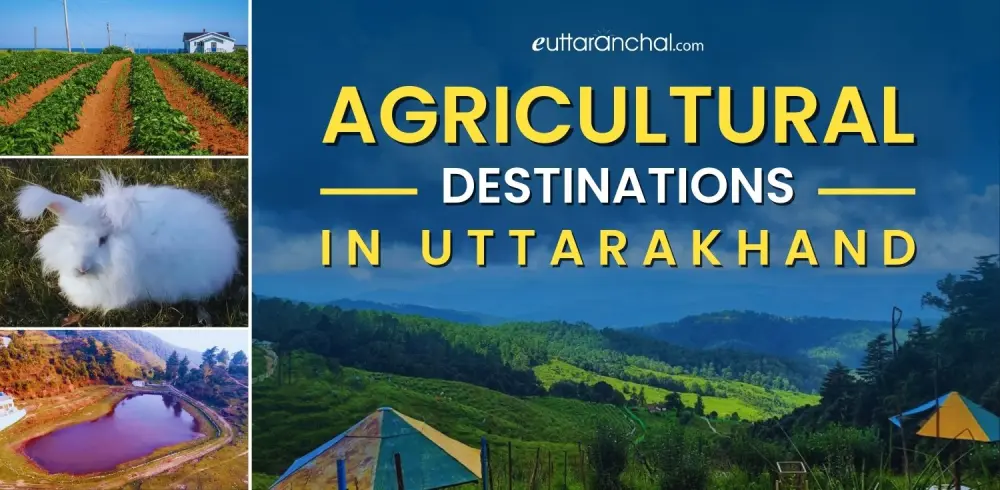
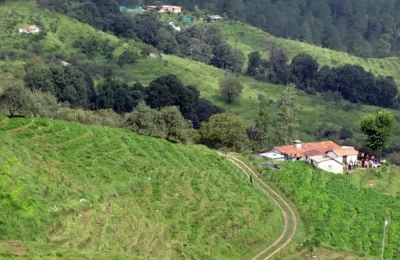
The agricultural landscape of Uttarakhand reflects the deep connection between local communities and the land. Terraced fields, traditional farming methods, and seasonal crops define rural life across the hills and plains.
These agricultural destinations offer a close look at how farming has shaped the culture, food habits, and daily life of the people of Uttarakhand. Many regions known for agriculture also showcase scenic countryside views, traditional villages, and age-old farming practices that continue to sustain local livelihoods.
Agriculture is the backbone of Uttarakhand and is practiced by many people especially those living in the hilly areas of Uttarakhand. Agriculture in Uttarakhand is the main occupation of many local villagers as it gives them bread and butter. There are many agriculture destinations in Uttarakhand we have listed below.
Agriculture in Uttarakhand is largely dependent on natural resources such as rainfall, rivers, and fertile soil. Traditional tools and age-old techniques are still commonly used in hilly regions, while modern farming practices are slowly being adopted in the plains. Seasonal farming cycles play an important role in village life, influencing festivals, food, and local customs.
Apart from food crops, Uttarakhand is also known for horticulture, dairy farming, and cultivation of fruits and vegetables in suitable climatic zones, contributing to the rural economy.
Like most parts of India, agriculture in Uttarakhand plays a significant role in the economy of Uttarakhand. Owing to its vivid topography and diverse agro-climatic endowments, subsistence farming is practised in most parts of Uttarakhand. The hilly areas of Uttarakhand practice mixed cropping, while in the plain areas single crops are grown. Crops like basmati rice, wheat, coarse cereals, pulses, soybeans and oil seeds are widely grown in Uttarakhand.
Agricultural destinations in Uttarakhand provide insight into rural lifestyles, village settlements, and farming traditions passed down through generations. Visiting such places helps understand the importance of sustainable farming and the challenges faced by hill agriculture.
These regions highlight the simplicity and resilience of rural Uttarakhand, making them valuable destinations for those interested in understanding the state beyond its popular tourist spots.
Here we have listed the farms and agricultural places to see in Uttarakhand
See More: Villages in Uttarakhand
Get answers to questions about your travel plan. Here you'll find helpful information about activities, travel tips, safety guidelines, and seasonal recommendations.
Q: What are agricultural destinations in Uttarakhand known for?
A: Agricultural destinations in Uttarakhand are known for terraced farming, traditional hill agriculture, organic produce, and village-based farming lifestyles. These places showcase how farming adapts to mountains, rainfall, and seasonal cycles while preserving local culture and food traditions.
Q: Why is agriculture important in Uttarakhand’s hilly regions?
A: In the hilly regions of Uttarakhand, agriculture is the primary source of livelihood for most rural families. Due to limited industrial opportunities, farming supports daily life through subsistence agriculture, mixed cropping, and seasonal cultivation, making it the backbone of the rural economy.
Q: Which crops are mainly grown in Uttarakhand agriculture areas?
A: Major crops grown in Uttarakhand include basmati rice, wheat, mandua (finger millet), jhangora, pulses, oilseeds, soybeans, and seasonal vegetables. Higher regions focus on millets and pulses, while plains support rice and wheat cultivation.
Q: What are some popular agricultural places to visit in Uttarakhand?
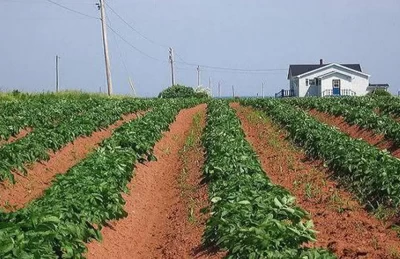
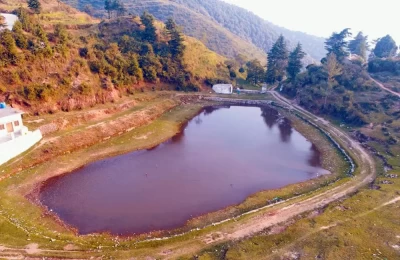
A: Popular agricultural destinations in Uttarakhand include Chaubatia Gardens, Angora Farms, Aaloo Khet, Ram Tal Horticulture Garden, and village farming belts across Garhwal and Kumaon regions.
Q: Is agriculture tourism in Uttarakhand suitable for families and students?
A: Yes, agriculture tourism in Uttarakhand is ideal for families, school groups, and students. It offers educational exposure to sustainable farming, organic agriculture, traditional tools, and crop cycles, making it both informative and relaxing.
Q: What makes hill agriculture in Uttarakhand different from plains?
A: Hill agriculture in Uttarakhand is practiced on terraced fields using rain-fed irrigation and mixed cropping, unlike plains where large-scale single-crop farming is common. Terrain, altitude, and climate make hill farming more labor-intensive and community-driven.
Q: Are agricultural destinations in Uttarakhand scenic to visit?
A: Yes, agricultural destinations in Uttarakhand are extremely scenic, featuring green terraced fields, village landscapes, forest backdrops, and mountain views. These places offer a peaceful countryside experience away from crowded tourist areas.
Q: When is the best time to visit agricultural destinations in Uttarakhand?
A: The best time to visit agricultural destinations in Uttarakhand is from March to June and September to November. During these months, fields are active, weather is pleasant, and visitors can witness sowing, harvesting, or orchard activities.
Q: Can agricultural destinations be combined with other tourism experiences?
A: Yes, agricultural destinations can be combined with village tourism, eco-tourism, nature walks, and cultural experiences. Many travelers pair farm visits with nearby temples, forest trails, or hill stations for a balanced itinerary.
Q: What is agri-tourism in Uttarakhand and how does it work?
A: Agri-tourism in Uttarakhand allows travelers to visit working farms, orchards, and villages where agriculture is part of daily life. Visitors can observe farming activities, interact with local farmers, and understand traditional Himalayan agricultural practices.
Q: Are there any villages in Uttarakhand famous for agriculture tourism?
A: Yes, several villages in Uttarakhand—especially in Kumaon and Garhwal regions—are known for traditional farming and agri-tourism. These villages highlight terraced fields, local crops, and sustainable farming methods passed down through generations.
Q: Can travelers buy local farm products at agricultural destinations?
A: Yes, travelers can buy local farm products such as grains, pulses, millets, fruits, honey, and dairy items. These products are usually sold directly by farmers or in village markets and are fresh, seasonal, and naturally grown.
Q: What role do women play in Uttarakhand agriculture?
A: Women play a major role in hill agriculture in Uttarakhand by managing sowing, harvesting, livestock care, and household farming activities. Visiting agricultural destinations highlights their vital contribution to rural livelihoods.
Q: How is agriculture linked to local festivals in Uttarakhand?
A: Agriculture is closely linked to local festivals in Uttarakhand. Festivals like Harela and village fairs are celebrated around sowing and harvesting seasons, honoring crops, nature, and traditional farming practices.
Q: Which region is better for agricultural tourism – Garhwal or Kumaon?
A: Both regions offer rich agricultural tourism experiences. Garhwal is known for mixed cropping and village farming, while Kumaon is famous for orchards, horticulture, and terrace agriculture. Exploring both provides a complete understanding of Uttarakhand’s farming culture.