10 Reasons Why You Should Visit Valley of Flowers
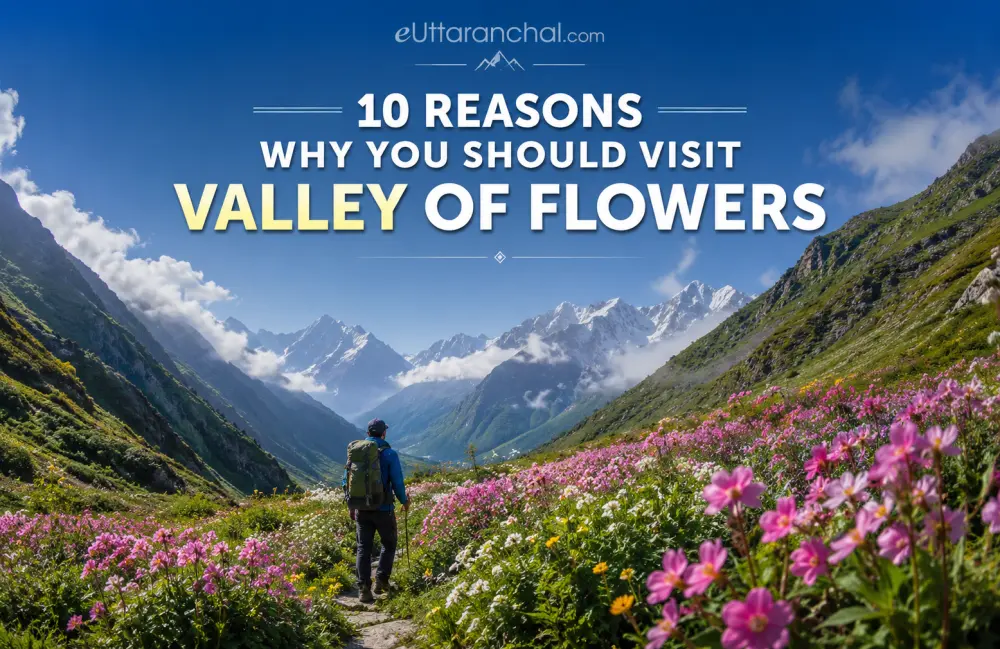
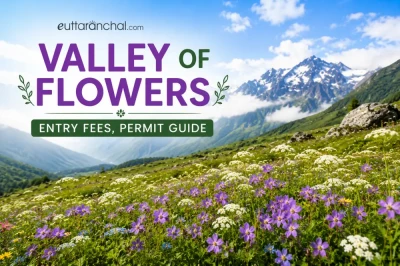
Valley of Flowers is one of the most searched places to visit in Uttarakhand. And there is more to it than just being a Valley with flowers. Valley of Flowers is located in Chamoli District and you can also visit Ghangharia, Govindghat and Hemkund Sahib as well. Check out some the the reasons to Visit Valley of Flowers.
Valley of Flowers Trek Highlights
- UNESCO World Heritage Site in the Himalayas
- Over 500 species of alpine flowers bloom during monsoon
- One of India's most scenic and beginner-friendly treks
- Opportunity to visit Hemkund Sahib on the same journey
- Home to rare Himalayan flora and wildlife
- Best visited between July and September
Valley of Flowers at a Glance
| Location | Chamoli District, Uttarakhand |
|---|---|
| Altitude | 3,658 metres |
| Trek Distance | Approx. 17 km |
| Difficulty | Easy to Moderate |
| Best Season | July to September |
| UNESCO Status | World Heritage Site |
Top Reasons Why Every Nature Lover Should Visit Valley of Flowers
Here are 10 reasons why you should visit Valley of Flowers in 2025
1. A UNESCO World Heritage Site
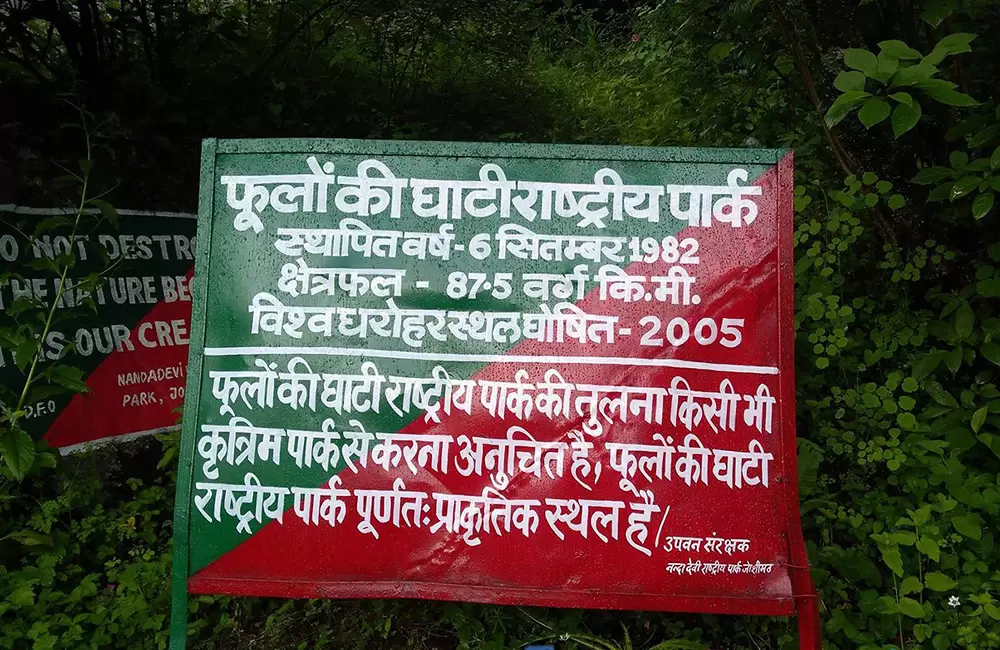
There are a handful of reasons why it was declared a part of the Nanda Devi National Park & Reserve which is in the UNESCO World Network of Biosphere Reserves. Valley of Flowers opens for visitors in the Month of June every year.
2. Walk Through the Ancient Himalayan Forests
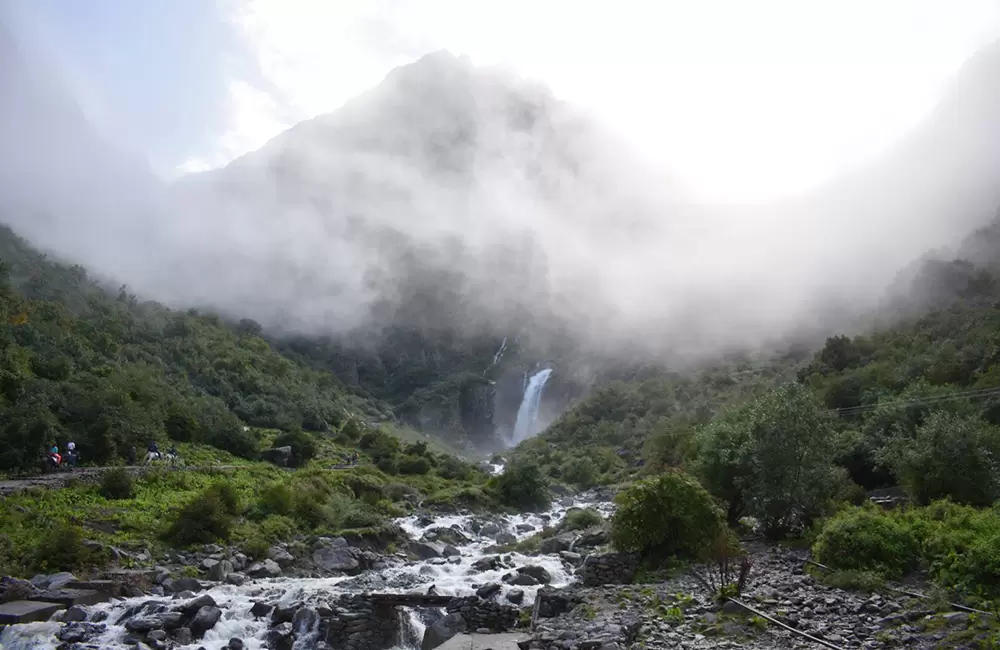
As you begin trek from Govind Ghat towards the Valley of Flowers, you step into a stunning world of ancient Himalayan wilderness. The trek passes through beautiful dense forests, where towering trees, moss-covered rocks, and the soothing sound of gushing streams create a magical atmosphere.
During the trek, you will witness crystal-clear waterfalls cascading down the mountainsides and small river streams flowing alongside the trail. The changing landscapes, from lush green valleys to alpine meadows, make the entire journey feel like walking through one of the most untouched and pristine ecosystems of the Himalayas.
3. Ideal for Independent and Solo Travellers<
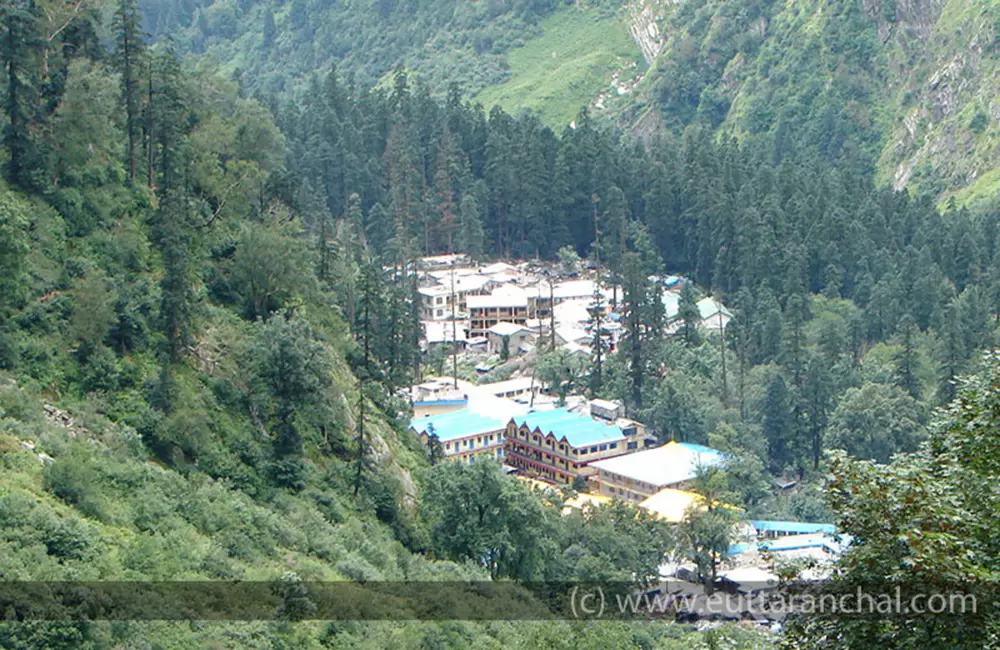
Valley of Flowers Trek is one of the most beginner-friendly Himalayan treks and can be comfortably undertaken without joining an organized group. The route is well-marked, regularly used by pilgrims and trekkers, and follows a clearly defined trail from Govindghat to Ghangaria and onward to the valley.
Ghangaria serves as the main base for the trek and offers a range of stay options, from budget guesthouses, campsites to comfortable hotels. Basic lodging facilities are also available at nearby locations such as Pulna and Bhyundar.
The trek is generally safe for solo travellers during the open season, with forest check posts, local services, and a steady flow of visitors along the trail. However, August attracts the largest number of trekkers, especially between 1st and 20th August, it is advisable to book accommodation in advance to avoid last-minute difficulties.
With its accessible trail, supportive infrastructure, and scenic surroundings, the Valley of Flowers is a popular choice for solo travellers, first-time trekkers, and nature lover alike.
Did You Know?
Valley of Flowers hosts more than 500 species of flowering plants, making it one of the richest alpine flower valleys in the Himalayas.
4. One of the most wish-listed treks in India
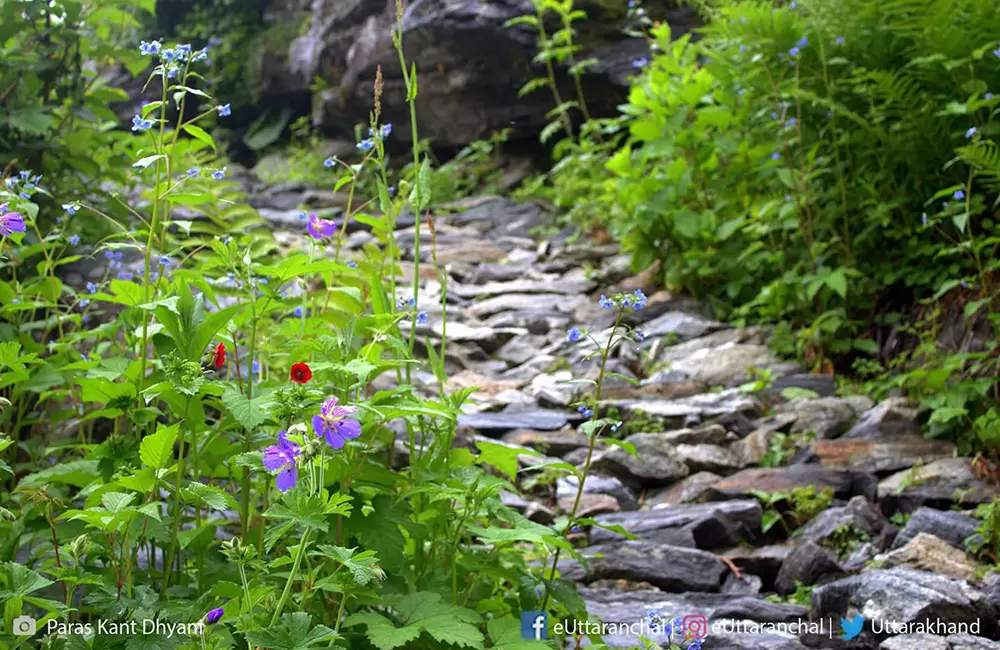
Valley of Flowers Trek is one of India's most celebrated Himalayan experiences, attracting nature lovers, photographers, adventurures and trekkers from around the world. The Valley of Flowers National Park, a UNESCO World Heritage Site, is renowned for its extraordinary biodiversity and breathtaking natural beauty.
What makes this trek especially popular is its relatively easy trekking grade, making it accessible to both beginners and experienced hikers. During the monsoon, the valley transforms into a vibrant carpet of blooming alpine flowers, with hundreds of plant species adding brilliant colors to the landscape. Combined with snow-capped peaks, pristine streams, and rich Himalayan flora and fauna, the Valley of Flowers offers an unforgettable journey into one of the most unique ecosystems in the Indian Himalayas.
5. The land where Brahmakamal's bloom
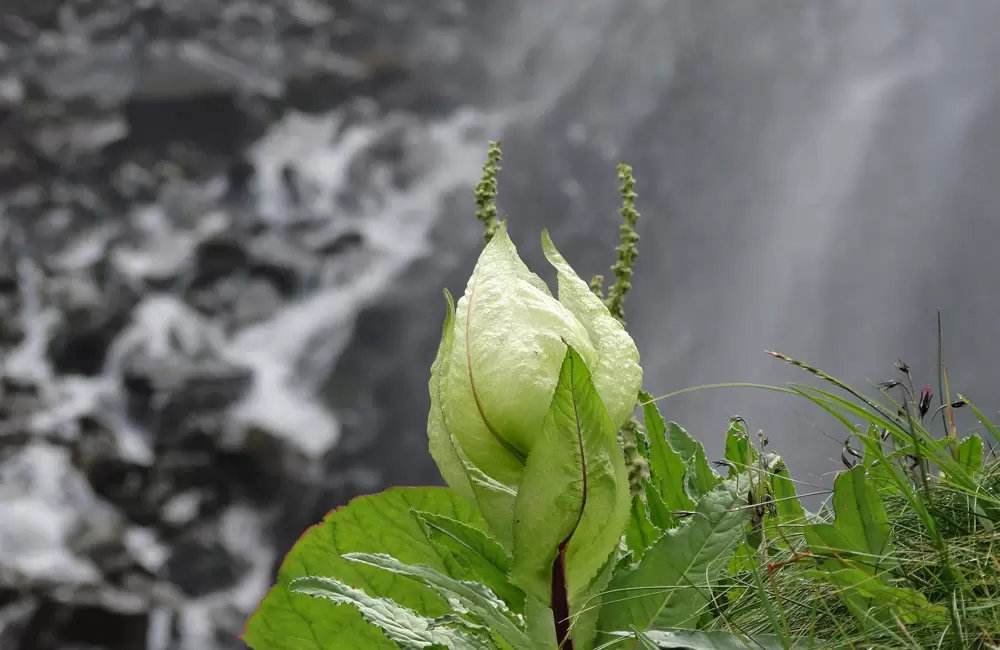
'Brahma Kamal' is one of the rare, legendary and mythological Himalayan flower found from 3500 mt. to 4500 mt. altitude and usually bloomed in monsoon season. Brahmakamal is also the state flower of Uttarakhand state.
6. Rich Biodiversity and Unique Wildlife
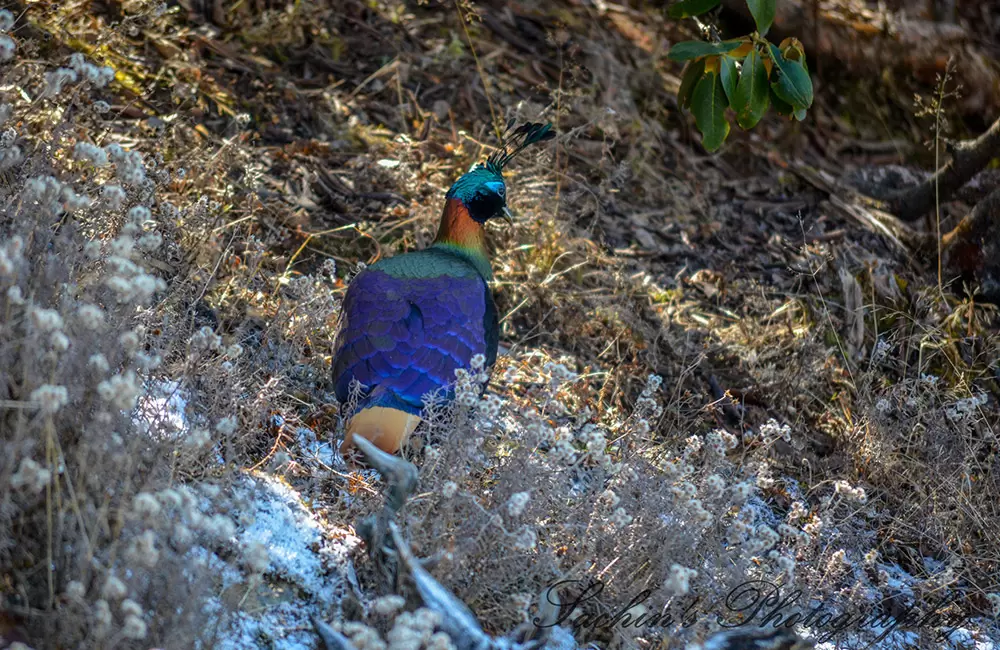
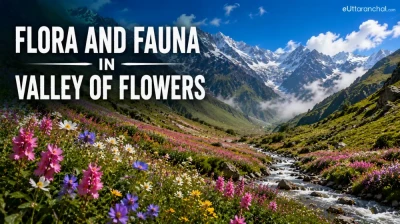
Beyond its colourful meadows, the Valley of Flowers is known for its remarkable biodiversity and diverse mountain ecosystem. The national park provides a natural habitat for several rare and high-altitude species that thrive in the Himalayan region.
While large mammals such as the Himalayan Black Bear, Musk Deer, Blue Sheep, Red Fox, and the elusive Snow Leopard inhabit the area, they are rarely seen due to the dense terrain and their shy nature. However, trekkers often have a better chance of spotting Himalayan birds, colourful butterflies, and smaller wildlife along the trek and within the alpine meadows.
The valley is also a paradise for birdwatchers, with species such as the Himalayan Monal and other high-altitude birds adding to the region's ecological richness. This unique combination of flora and fauna makes the Valley of Flowers not only a trekking destination but also an important biodiversity hotspot in the Indian Himalayas.
7. Surrounded by magnificent Himalayas - Panoramic views of the Himalayas
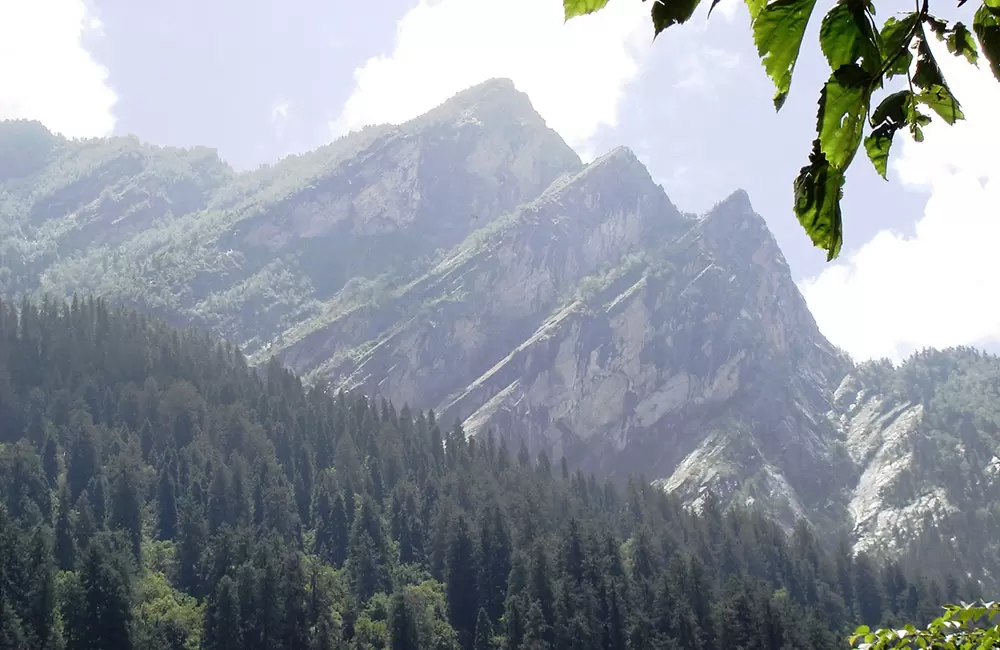 Photo by Praveer
 Scenic view of Valley of Mountains in Valley of Flowers Trek. On Trek From Govindghat To Ghangaria towards To Valley Of Flowers.
8. Heaven for photographers
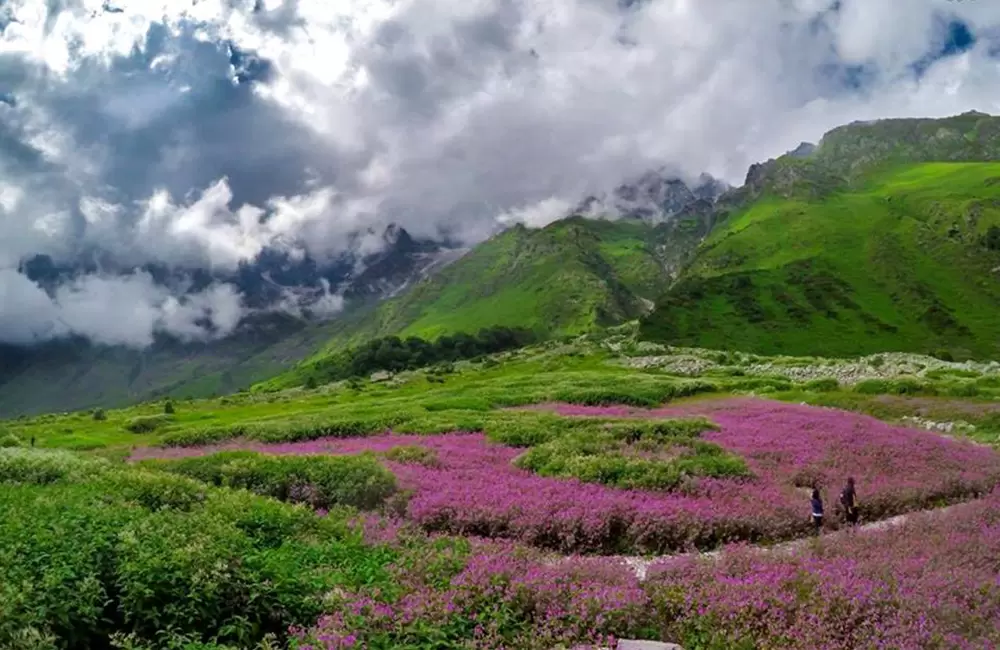
The Valley of Flowers offers endless opportunities for photography enthusiasts, with its vibrant alpine meadows, mountain scenery, and ever-changing Himalayan landscapes. During the blooming season, the valley transforms into a colourful canvas filled with hundreds of wildflower species, creating stunning foregrounds against snow-clad peaks.
Photographers can capture cascading waterfalls, crystal-clear streams, and mist-covered valleys that add depth and atmosphere to every frame. The changing weather conditions often create magical light effects, especially during the early morning and late afternoon hours. Whether you enjoy landscape photography, nature photography, or detailed macro shots, the Valley of Flowers offers countless opportunities to capture the beauty of the Himalayas.
9. Opportunity to Visit Hemkund Sahib
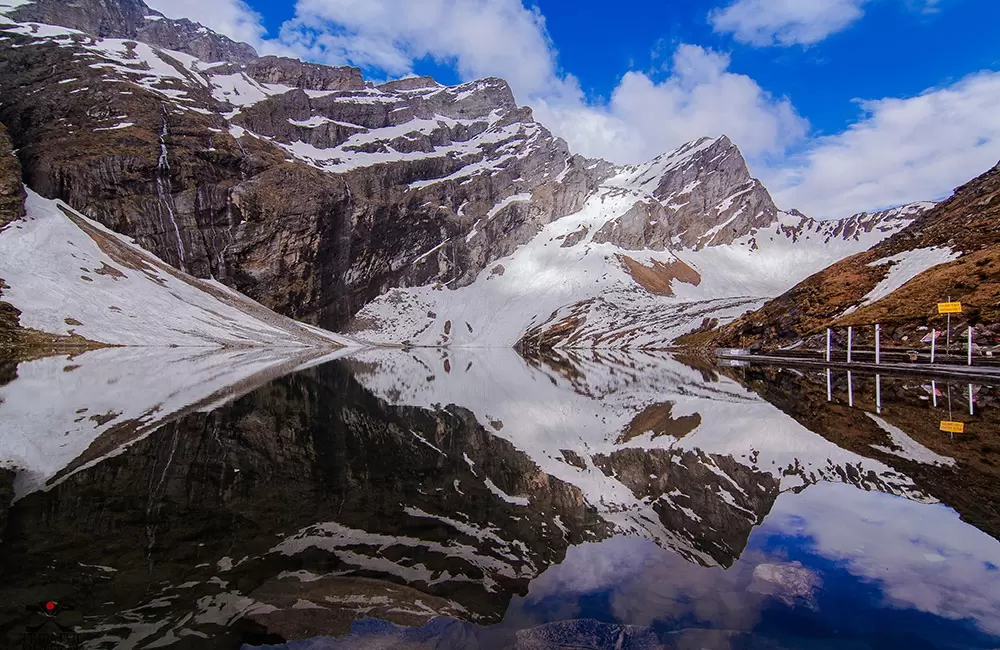
One of the unique advantages of visiting the Valley of Flowers is the opportunity to combine the journey with a visit to Hemkund Sahib, a revered Sikh pilgrimage site located near Ghangaria. Many travellers choose to explore both destinations during the same tour, as the trekking routes begin from the same base village.
The trek to Hemkund Sahib is an optional extension and is more challenging due to its steep ascent, but it rewards visitors with breathtaking mountain views and a deeply spiritual atmosphere. Situated beside a pristine glacial lake at an altitude of over 4,300 metres, the gurudwara offers a serene setting surrounded by rugged Himalayan peaks.
Whether visiting for religious reasons, scenic beauty, or both, Hemkund Sahib adds a memorable cultural and spiritual aspect to a Valley of Flowers itinerary.
10. The joy of being with nature and breathing fresh air
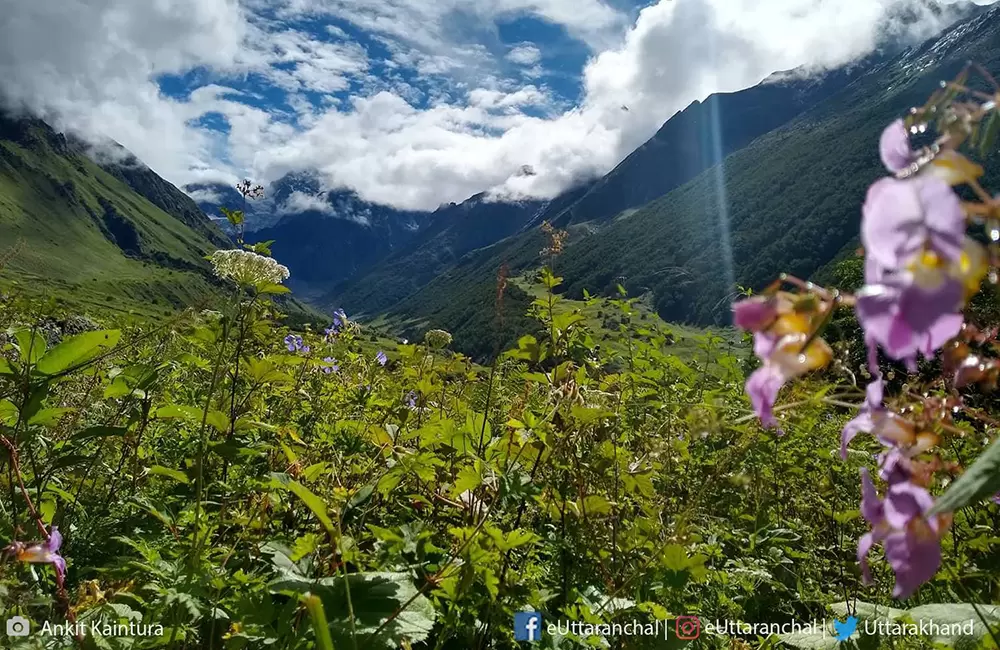
The hustle and bustle of city life has taken a toll on all of us. Trek to Valley of Flowers helps you to get away from the busy life and spend quality time in nature. Valley of Flowers provides the much needed space for people who love solitude. And nature is always a lovely companion. The gentle chirping of the birds, the aroma of flowers, the refreshing air, and the ever giving nature; all beautifully blend together to let you have the time of your life. Valley of Flowers is a place you really shouldn’t miss. Top it up with the fact that there is no pollution here.
Experience the Changing Colors of the Valley During the Blooming Season
One of the most fascinating aspects of visiting the Valley of Flowers is witnessing how its landscape transforms throughout the blooming season. Every month offers a unique experience, making each visit special for nature lovers, photographers, and trekkers.
June – Fresh Green Landscapes and Early Blooms
The Valley of Flowers opens for visitors on 1st June. As the winter snow melts, the valley turns lush green with flowing streams, waterfalls, and the season's first wildflowers. Although the peak bloom has not yet started, June offers peaceful trails, fresh mountain scenery, and fewer crowds, making it perfect for nature lovers and photographers.
July to August – Peak Flowering Season
July and August are considered the best time to visit Valley of Flowers. During this period, thousands of alpine flowers bloom across the meadows, covering the valley in vibrant shades of pink, purple, yellow, blue, and white. The breathtaking scenery and colorful landscapes make it the perfect time for nature lovers, photographers, and trekking enthusiasts.
September – Clear Mountain Views and Late Blooms
As the monsoon recedes, the skies become clearer, revealing stunning views of the surrounding Himalayan peaks. While many flowers begin to fade, several late-blooming species continue to add color to the valley. The pleasant weather and improved visibility make September ideal for enjoying both the floral beauty and mountain scenery.
Who Should Visit Valley of Flowers?
- Nature lovers
- Photography enthusiasts
- First-time trekkers
- Wildlife enthusiasts
- Families looking for a Himalayan adventure
- Pilgrims visiting Hemkund Sahib
Valley of Flowers vs Popular Uttarakhand Treks
| Trek | Flowers | Beginner Friendly | Best Season |
|---|---|---|---|
| Valley of Flowers | Excellent | Yes | Monsoon |
| Kedarkantha | No | Yes | Winter |
| Har Ki Dun | Moderate | Yes | Spring & Autumn |
| Brahmatal | No | Moderate | Winter |
Useful Tips
- We recommend to book Valley of Flowers tour package in advance, as during peak it might get difficult to find stay in Ghangaria or Guide for the trek