Panch Prayag in Uttarakhand
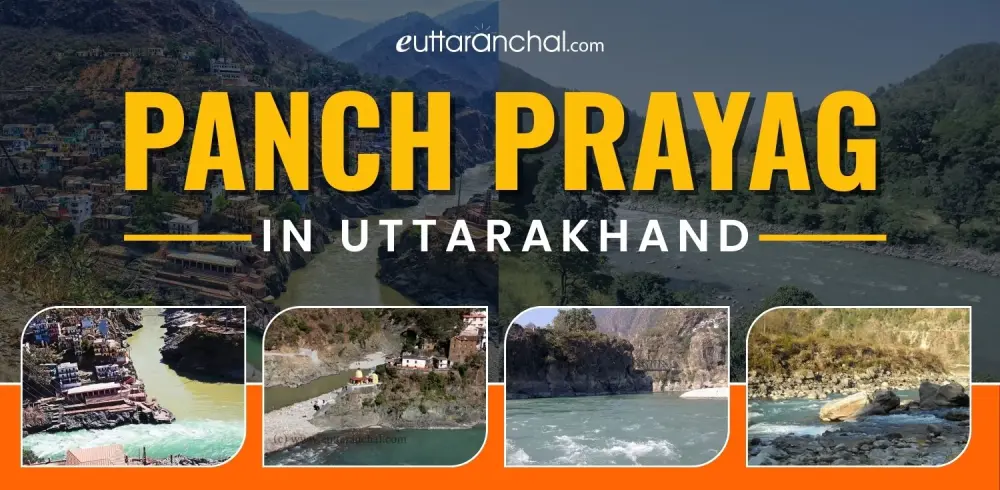
The sacred Panch Prayag represents five divine river confluences in Uttarakhand where the mighty Alaknanda meets its tributaries on the journey towards becoming the holy Ganga. These spiritually charged sites are not only important pilgrimage stops but also mesmerizing natural locations surrounded by dramatic Himalayan landscapes, ancient temples, and centuries-old traditions of river worship.
‘Prayag’ or confluence in the Hindu tradition signifies confluence of two or more rivers where ablutions (bathing) before worship takes place. The Panch Prayag is the holiest of confluences after the Prayag in Allahabad. It is believed that a dip at the confluence cleanses the heart, mind and soul of a person and inches him closer to liberation or mukti.
The five confluences — Vishnuprayag, Nandaprayag, Karnaprayag, Rudraprayag, and Devprayag — hold immense mythological and geographical significance. Each Prayag is associated with legends from the epics and offers breathtaking views of rivers merging in distinct colors, making the journey along this route both spiritually uplifting and visually unforgettable.
The Panch Prayag of Uttarakhand traces the route carved by Alaknanda River when it leaves its Himalayan abode from Satopanth glacier. It is joined by Dhauliganga River at Vishnuprayag, near Joshimath. Nandaprayag is the second confluence in cascading sequence, where Alaknanda River is joined by Nandakini River.
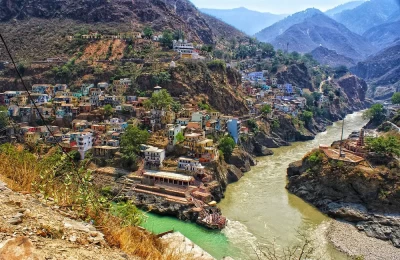
The third confluence of Alaknanda River is at Karnaprayag, where the tragic hero of Mahabharata, Karna, did penance to please Sun God. Here, Pindar River joins Alaknanda. Rudraprayag is the fourth confluence between Alaknanda and Mandakini River. The fifth and final union takes place at Devprayag where Alaknanda River joins Bhagirathi forming river Ganges, which flows down to the plains.
Visiting Panch Prayag is often combined with the Char Dham Yatra, as these confluences lie along the pilgrimage routes to Badrinath Temple and Kedarnath Temple. Apart from religious importance, the region also attracts nature lovers, photographers, and road-trip enthusiasts who wish to witness the raw beauty of Himalayan rivers and the cultural essence of Devbhumi Uttarakhand.
Panch Prayag is visited by pilgrims and devotees when partaking in Char Dham Yatra. Many Char Dham Yatra packages include visit to Panch Prayag in their itinerary. Devprayag is the holiest of all the Panch Prayag and is situated at the confluence of Alaknanda and Bhagirathi rivers known as Sangam. Char Dham pilgrimage along with Panch Prayag are always good for popularizing Uttarakhand tourism.
Get answers to questions about your travel plan. Here you'll find helpful information about activities, travel tips, safety guidelines, and seasonal recommendations.
Q: What is Panch Prayag in Uttarakhand?
A: Panch Prayag refers to the five sacred river confluences in Uttarakhand where the Alaknanda River meets different tributaries before forming the holy Ganga — Vishnuprayag, Nandprayag, Karnaprayag, Rudraprayag, and Devprayag.
Q: Which are the five Panch Prayag confluences?
A: The five Panch Prayag are Vishnuprayag (Alaknanda–Dhauliganga), Nandprayag (Alaknanda–Nandakini), Karnaprayag (Alaknanda–Pindar), Rudraprayag (Alaknanda–Mandakini), and Devprayag (Alaknanda–Bhagirathi), where the river becomes the Ganga.
Q: Why is Panch Prayag spiritually important?
A: In Hindu belief, river confluences are sacred places for bathing and worship. Taking a holy dip here is believed to cleanse the mind and soul and bring spiritual peace.
Q: Is Panch Prayag part of Char Dham Yatra?
A: Yes, Panch Prayag lies along the Char Dham Yatra route toward Badrinath and Kedarnath, making it an important spiritual stop for pilgrims.
Q: Which is the most important Prayag among Panch Prayag?
A: Devprayag is considered the holiest because it is the point where Alaknanda and Bhagirathi merge to form the sacred Ganga.
Q: What is the best time to visit Panch Prayag in Uttarakhand?
A: The best time is March to June and September to November when weather and road conditions are favorable. Monsoon travel should be planned carefully.
Q: Can Panch Prayag be covered in one trip?
A: Yes, all five confluences can be covered in a single road trip along the Alaknanda Valley, often while traveling toward Badrinath.
Q: Why is Panch Prayag famous in Uttarakhand tourism?
A: Apart from religious importance, Panch Prayag is known for stunning Himalayan scenery and the beautiful sight of rivers merging in different colors.
Q: Are there temples near Panch Prayag?
A: Yes, each Prayag has ancient temples nearby, such as Raghunath Temple in Devprayag and Shiva temples in Rudraprayag.
Q: How far is Panch Prayag from Haridwar or Rishikesh?
A: Devprayag is about 70 km from Rishikesh, while the other Prayag lie further along the Badrinath highway in the Garhwal Himalayas.