Panch Kedar in Uttarakhand
The sacred Panch Kedar Yatra is one of the most spiritually intense pilgrimages in the Himalayas, taking devotees across remote valleys and high-altitude trails to five ancient Shiva temples in Garhwal. This divine journey blends faith, mythology, and adventure, as pilgrims walk through pristine landscapes, traditional villages, and alpine meadows to seek blessings of Lord Shiva in his most powerful Himalayan manifestations.
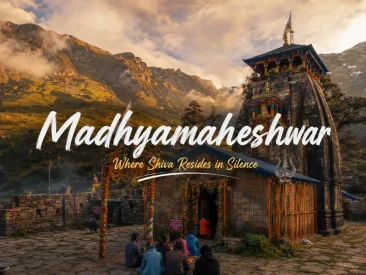
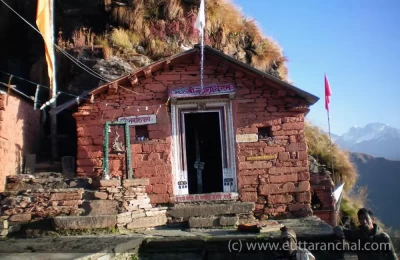
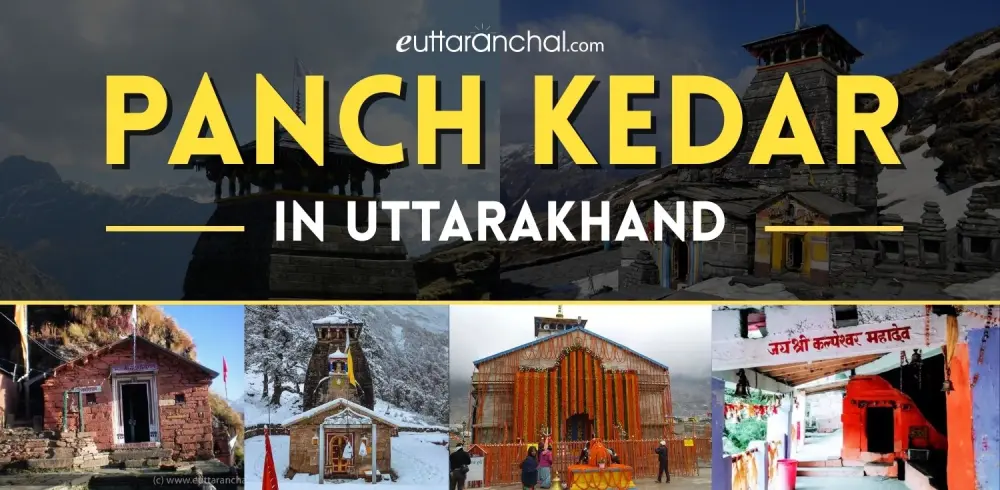
The five temples of Panch Kedar — Kedarnath Temple, Tungnath Temple, Madhyamaheshwar Temple, Rudranath Temple, and Kalpeshwar Temple — are spread across different elevations and require trekking through some of the most scenic yet challenging terrains in Uttarakhand. Completing the circuit is considered highly auspicious, symbolizing devotion, endurance, and spiritual purification.
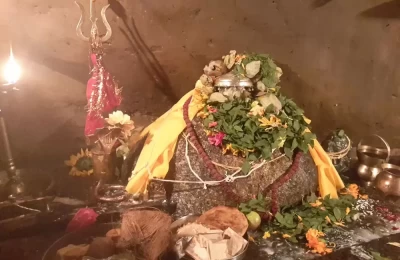
Out of all the temples dedicated to Lord Shiva, the cluster of five shrines of Shiva is the most revered. They are known as Panch Kedar. According to Mahabharata, when Pandavas were searching for Lord Shiva, he turned himself into a bull to avoid detection. However, when Bheema tried to capture the bull, it disappeared and later reappeared in body parts at five locations, presently known as Panch Kedar.
The hump reappeared at Kedarnath, the arms appeared in Tungnath, the navel appeared in Madhyamaheshwar, the face showed up at Rudranath and the hair and head appearing in Kalpeshwar. The Pandavs built temples at these five places for worshiping Shiva.
Day 1: Arrival in Rishikesh/Haridwar → Drive to Guptkashi/Sitapur (~200–250 km, 8–10 hrs). En route: Devprayag, Rudraprayag. Overnight in hotel/guesthouse.
Day 2: Drive to Gaurikund → Trek to Kedarnath (16 km, 6–8 hrs). Darshan at Kedarnath Temple. Overnight in tents/hotel near temple.
Day 3: Morning darshan/explore Kedarnath → Trek down to Gaurikund → Drive to Ukhimath/Guptkashi. Overnight stay.
Day 4: Drive to Ransi/Gaundhar → Short trek to base for Madhyamaheshwar. Overnight in guesthouse.
Day 5: Trek to Madhyamaheshwar Temple (~5–6 km, moderate). Darshan and explore. Overnight nearby or return to base.
Day 6: Return trek to roadhead → Drive to Ukhimath/Chopta area. Overnight.
Day 7: Drive to Chopta → Trek to Tungnath Temple (3.5 km steep, 2–3 hrs) and Chandrashila peak (optional extra 1 km for views). Return to Chopta. Overnight.
Day 8: Drive to Sagar/Panchganga → Trek towards Rudranath (longer day, ~20–22 km total round trip or staged). Darshan at Rudranath. Overnight in tents/basic stay.
Day 9: Complete Rudranath exploration/return → Drive to base for Kalpeshwar (e.g., Helang/Urgam area). Overnight.
Day 10: Trek to Kalpeshwar Temple (~4–6 km, easy-moderate, often flat sections). Darshan (only Panch Kedar open year-round). Return and drive to Joshimath/Pipalkoti.
Day 11: Drive to Rishikesh/Haridwar (~250–300 km, 8–10 hrs). En route sightseeing if time permits. Overnight in Rishikesh.
Day 12: Departure from Rishikesh/Haridwar after breakfast.
Apart from its religious significance, the Panch Kedar route is also a remarkable trekking experience attracting adventure seekers and spiritual travelers alike. The journey passes through iconic Himalayan destinations like Chopta, Ukhimath, and Joshimath, offering breathtaking views of snow-clad peaks, dense forests, and sacred river valleys, making it one of the most unique pilgrimage treks in India.
Many devotees of Lord Shiva take part in Panch Kedar Yatra to all the five Shiva temples mentioned above. Kedarnath temple is also a part of the Chota Char Dham circuit. Panch Kedar trek is also popular among younger people who like the thrill of trekking to the holy places perched in the mountains.
Get answers to questions about your travel plan. Here you'll find helpful information about activities, travel tips, safety guidelines, and seasonal recommendations.
Q: What is Panch Kedar Yatra in Uttarakhand?
A: Panch Kedar Yatra is a sacred pilgrimage to five Lord Shiva temples in the Garhwal Himalayas — Kedarnath, Tungnath, Madhyamaheshwar, Rudranath, and Kalpeshwar. It is a spiritual trekking journey through scenic mountain valleys of Uttarakhand.
Q: Which are the five temples of Panch Kedar?
A: The five temples are Kedarnath, Tungnath, Madhyamaheshwar, Rudranath, and Kalpeshwar. Each represents a different form of Lord Shiva and has deep mythological importance.
Q: What is the story behind Panch Kedar temples?
A: According to the Mahabharata legend, Lord Shiva appeared in the form of a bull and his body parts emerged at five different places, which became the sacred Panch Kedar temples.
Q: How many days are required for Panch Kedar Yatra?
A: The complete Panch Kedar Yatra usually takes 10–12 days depending on travel pace and trekking ability. Proper planning is essential.
Q: What is the best time to visit Panch Kedar?
A: The best time is from May to October when weather conditions are favorable and trekking routes remain open. Winters bring heavy snowfall.
Q: Is Panch Kedar trek difficult?
A: The trek is moderate to challenging. Kedarnath and Tungnath are comparatively easier, while Rudranath and Madhyamaheshwar involve longer trekking routes.
Q: Is Kedarnath part of Panch Kedar?
A: Yes, Kedarnath Temple is one of the five Panch Kedar temples and also part of the Chota Char Dham Yatra.
Q: Can beginners do Panch Kedar Yatra?
A: Beginners with good fitness can attempt parts of the yatra, but completing all five temples requires stamina and preparation.
Q: Which Panch Kedar temple remains open throughout the year?
A: Kalpeshwar Temple is the only Panch Kedar shrine that remains open throughout the year, even during winter.
Q: Are Panch Kedar tour packages available?
A: Yes, many travel operators offer Panch Kedar trekking packages including transport, accommodation, and guided support.