Dams and Reservoirs in Uttarakhand
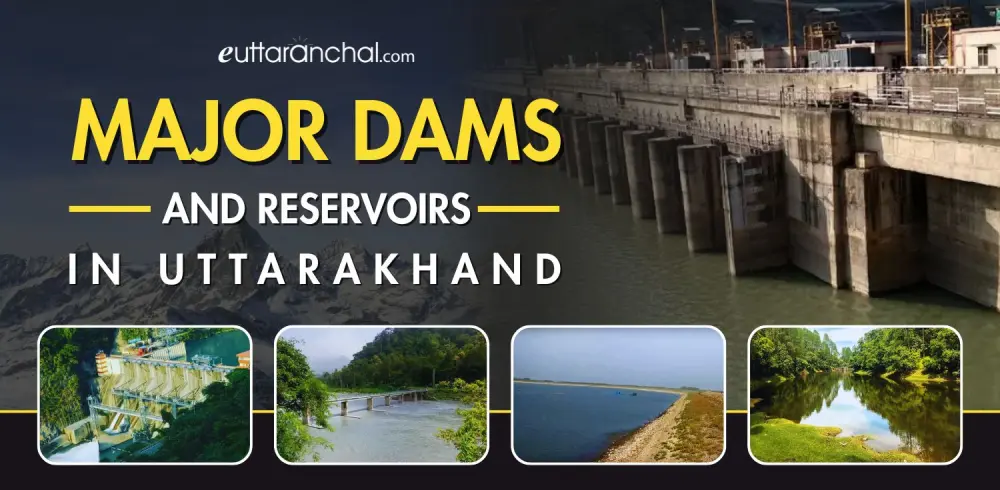
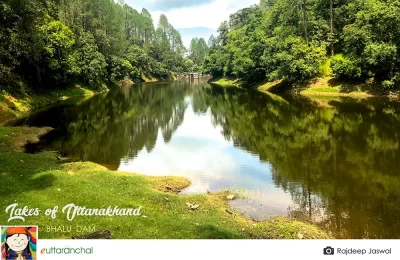
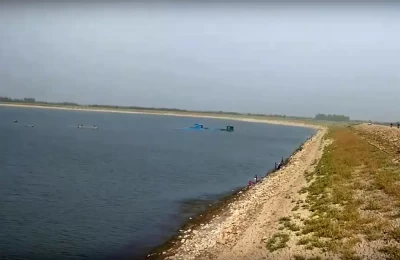
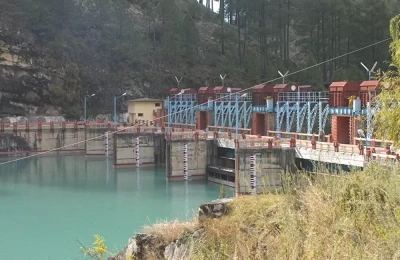
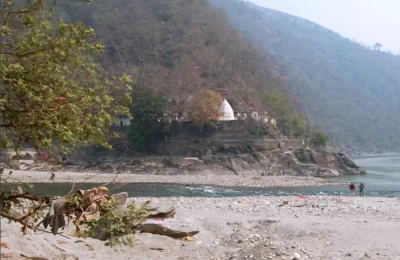
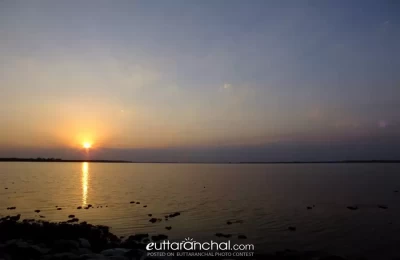
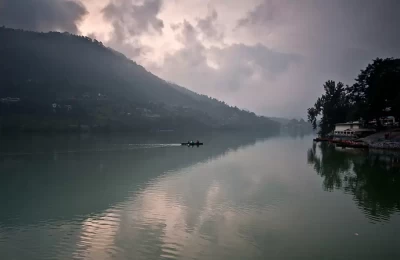
Apart from power generation, many dams and reservoirs in Uttarakhand have also emerged as scenic destinations surrounded by hills and forests. These calm water bodies add to the natural beauty of the region and are often visited by travelers looking for peaceful viewpoints and lakeside experiences.
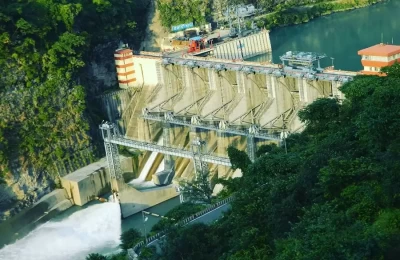
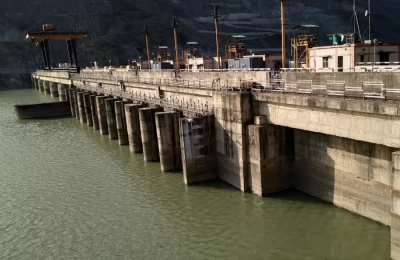
Uttarakhand is a self-reliant state which boasts great power generation techniques. The water from natural sources like glaciers and rains are collected in the dams. These dams then act as large water storage tanks which are used for harvesting energy.
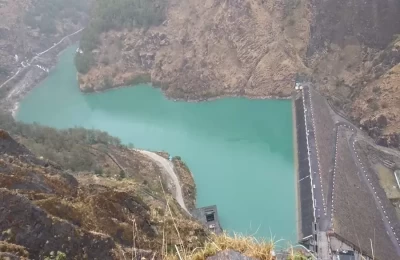
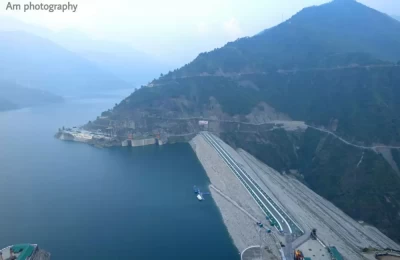
Major dams in Uttarakhand such as Tehri Dam and Ramganga Dam play a crucial role in flood control and water management along with electricity production. The reservoirs formed by these dams also support fisheries, boating activities, and provide water for nearby towns and agricultural fields.
The water from these hydroelectric dams is used to generate power which is used for consumption, irrigation, industrial use, aquaculture and navigability. Uttarakhand not only supplies electricity within the state but it also provides it to the neighboring cities.
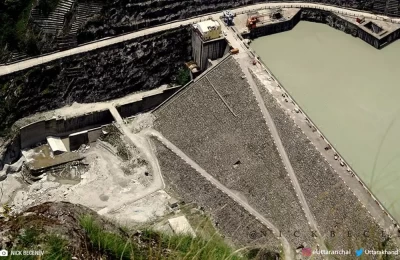
Today, several dam sites in Uttarakhand have become popular places for sightseeing due to their massive structures and panoramic surroundings. These destinations reflect how natural resources and engineering have together contributed to the development of the state while maintaining its scenic charm.
Get answers to questions about your travel plan. Here you'll find helpful information about activities, travel tips, safety guidelines, and seasonal recommendations.
Q: How many dams are there in Uttarakhand?
A: There are more than 20 major and medium dams in Uttarakhand, along with several smaller barrages and reservoirs. These dams play an important role in power generation, irrigation, and water supply.
Q: Which is the biggest dam in Uttarakhand?
A: The biggest dam in Uttarakhand is the Tehri Dam, one of the tallest dams in India, built on the Bhagirathi River. It generates electricity, controls floods, and supplies water to northern states.
Q: What are the major dams in Uttarakhand?
A: Major dams include Tehri Dam, Koteshwar Dam, Kalagarh Dam, Maneri Dam, and Dhauliganga Dam, which contribute to electricity production, irrigation, and flood control.
Q: Why are dams important in Uttarakhand?
A: Dams are important for hydroelectric power generation, flood management, and water supply for agriculture and drinking purposes.
Q: Are dams and reservoirs in Uttarakhand tourist attractions?
A: Yes, many dam sites such as Tehri Lake have become popular tourist destinations offering boating, water sports, and scenic viewpoints.
Q: Which dam generates the most electricity in Uttarakhand?
A: The Tehri Dam generates the highest amount of electricity in the state and supplies power to neighboring regions.
Q: What is the purpose of reservoirs in Uttarakhand?
A: Reservoirs store water from rivers and rainfall for electricity generation, irrigation, fisheries, and drinking water supply.
Q: Where is Tehri Dam located?
A: The Tehri Dam is located in Tehri Garhwal district on the Bhagirathi River and is known for its massive reservoir called Tehri Lake.
Q: Which dam is built on the Ramganga River in Uttarakhand?
A: The Kalagarh Dam (Ramganga Dam) is built on the Ramganga River and plays a major role in irrigation, flood control, and power generation.
Q: How do dams help in flood control?
A: Dams store excess water during heavy rainfall and release it gradually, reducing the risk of floods in downstream areas.
Q: Do dams support irrigation and agriculture?
A: Yes, stored water from reservoirs is used for irrigation, ensuring water availability for crops during dry seasons.
Q: Which are other important dams in Uttarakhand?
A: Other important dams include Pancheshwar Dam, Tumaria Dam, Ichari Dam, and Gularbhoj Dam, contributing to water management and energy production.
Q: How do dams contribute to Uttarakhand’s development?
A: Dams support economic development by generating electricity, improving irrigation, supporting industries, and promoting tourism.