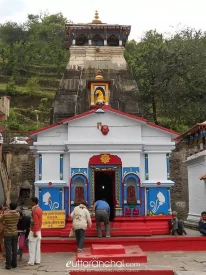
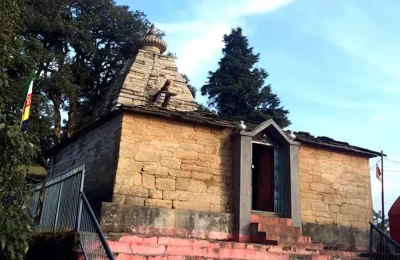
Shiva Temples in Uttarakhand

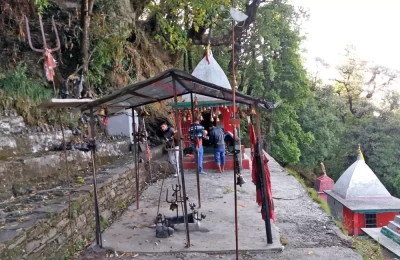
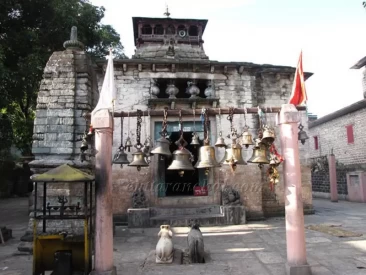
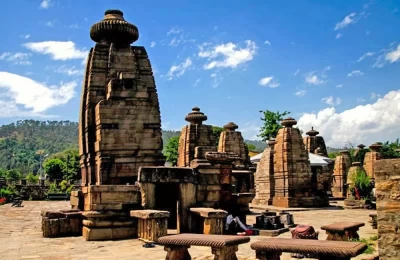
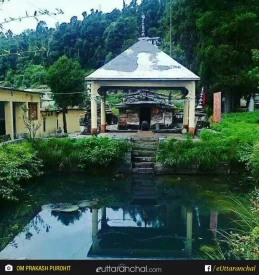
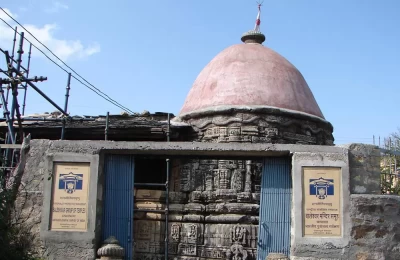
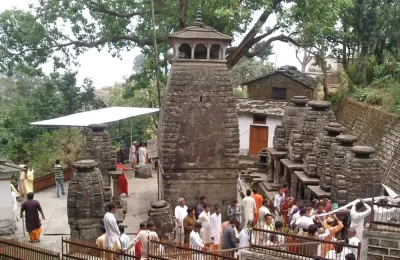
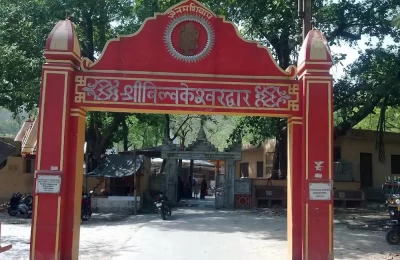
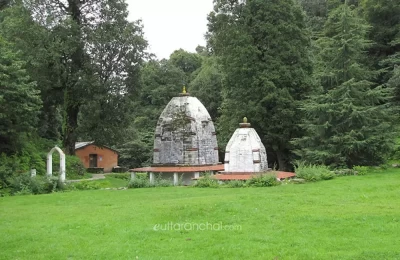
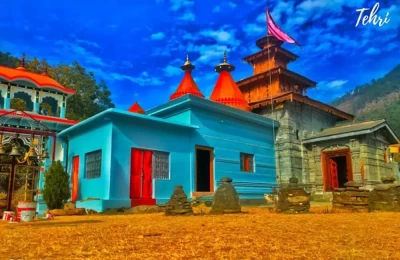
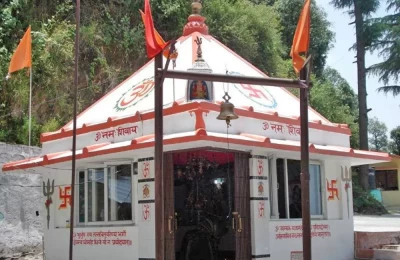
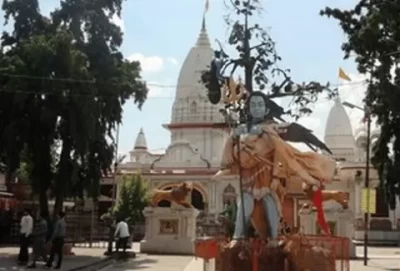
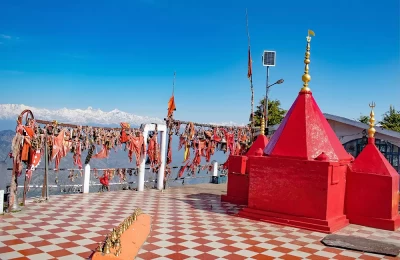
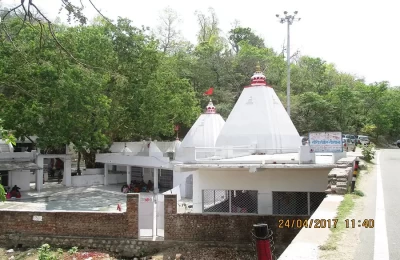
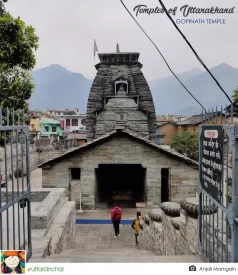
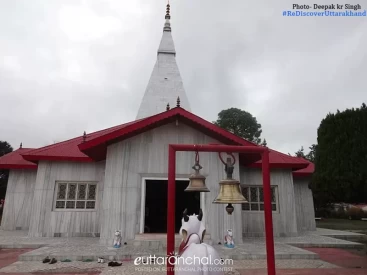
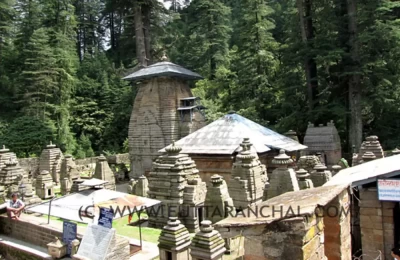
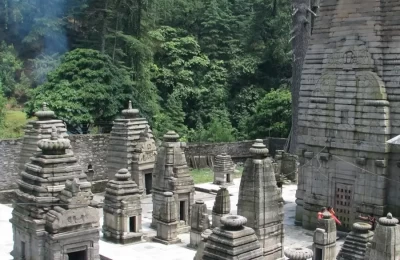
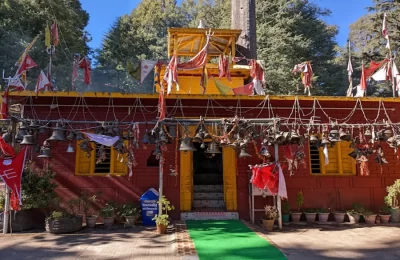
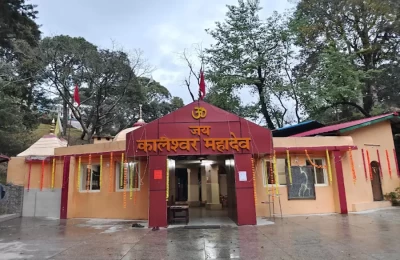
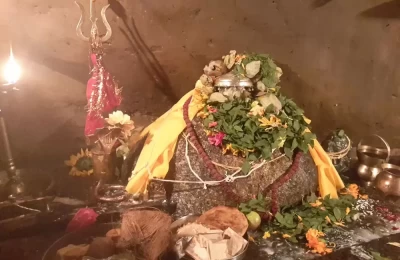
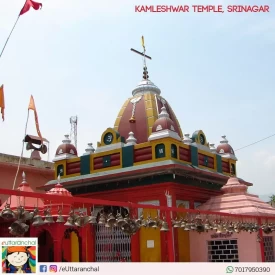
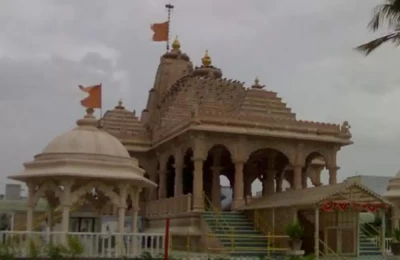
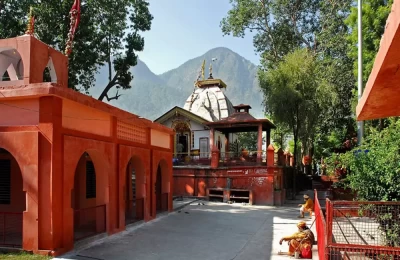
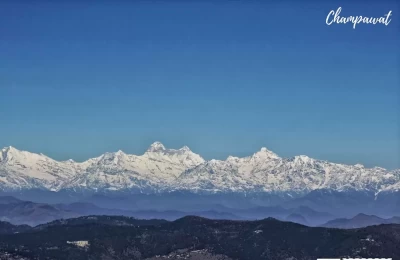
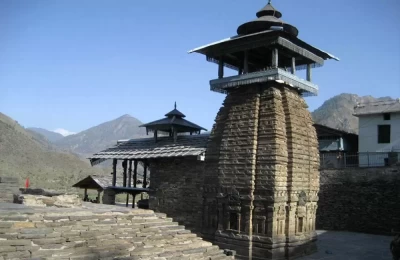
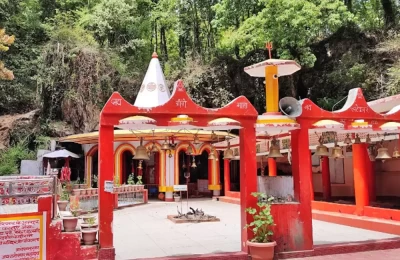
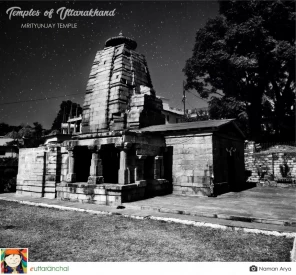
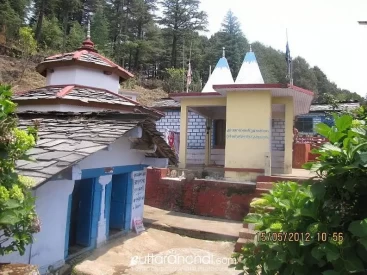
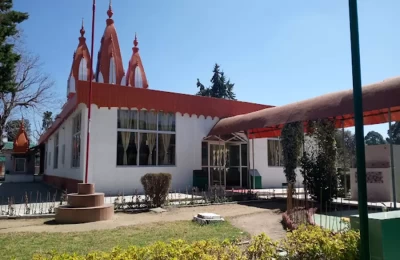
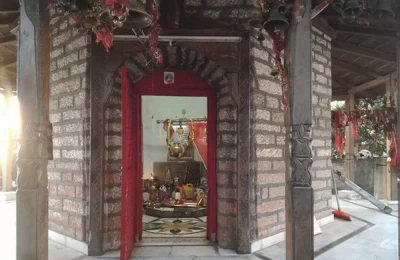
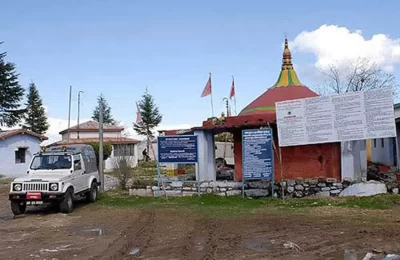
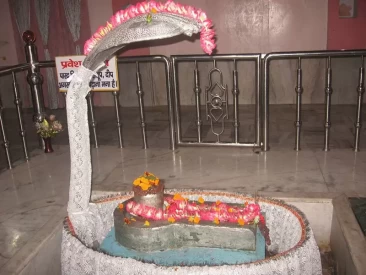
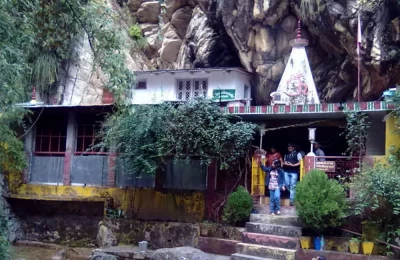
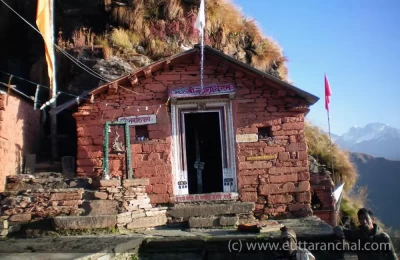
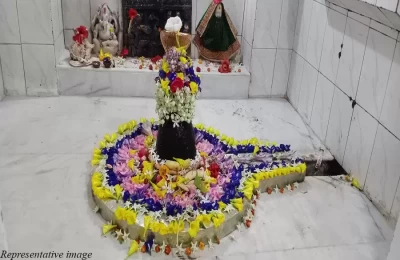
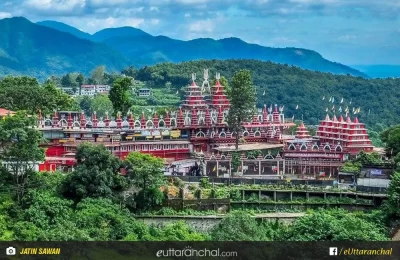
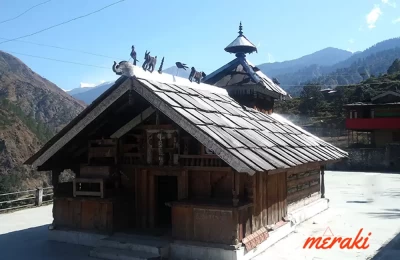
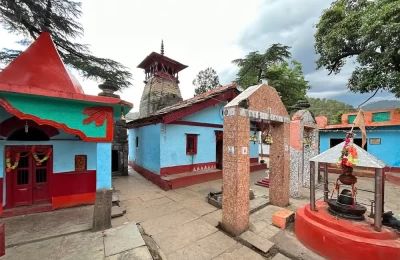
Shiva Temples in Uttarakhand are among the most sacred pilgrimage sites in India, attracting devotees, sages, and spiritual seekers from across the world. Nestled in the lap of the Himalayas, these temples are not only religious centers but also architectural and historical marvels that reflect the deep-rooted Shaivite traditions of the region. From ancient cave shrines to grand stone temples, every Shiva temple in Uttarakhand carries unique legends, myths, and spiritual significance.
The glorifying Uttarakhand is a peaceful state which has been conferred with the epithet of “Devbhoomi”, the land of gods. To live up to its name the state possesses various sacred shrines that are visited by thousands of devotees each year.
Uttarakhand houses many sacred Hindu temples like Chota Char Dham, Panch Kedar, Panch Prayag, Panch Badri, Shakti Peeth and Siddha Peeth. These holy shrines are adorned in the mountain areas in the serenity of the Himalayas, making the aura divine. One can surrender in the divine intervention of Hindu gods and enrapture in the spiritual bliss of the hill temples.
For thousands of years, sages and saints have walked to the Himalayan abode of Lord Shiva and seek blessings from the Vasudev, The Almighty. There are numerous centuries-old shrines and temples in Uttarakhand revered by the devotees.
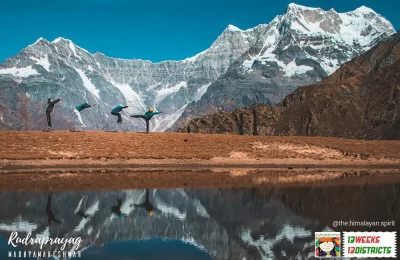
Many of the Shiva temples in Uttarakhand are located along ancient pilgrimage routes and trekking trails, making the journey itself a spiritual experience. These temples are associated with stories from the Mahabharata, Puranas, and local folklore, enhancing their religious importance.
Devotees often undertake arduous journeys through forests, rivers, and mountains to seek blessings of Lord Shiva, believing that visiting these sacred shrines fulfills wishes and brings inner peace.
Apart from their religious importance, Shiva temples in Uttarakhand are also popular among travelers for their scenic surroundings, peaceful ambiance, and cultural heritage. Festivals like Maha Shivratri and Shravan month witness massive gatherings of devotees performing rituals and prayers. Whether for devotion, meditation, or exploration, these temples offer a divine escape into the spiritual heart of the Himalayas.
Get answers to questions about your travel plan. Here you'll find helpful information about activities, travel tips, safety guidelines, and seasonal recommendations.
Q: Which are the most famous Shiva temples in Uttarakhand?
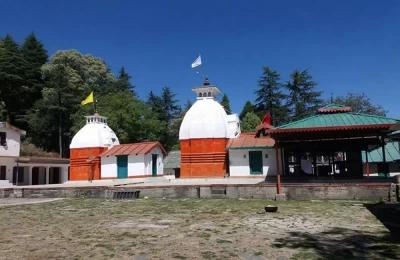
A: Kedarnath Temple, Tungnath, Rudranath, Madhyamaheshwar, Kalpeshwar, Neelkanth Mahadev, and Jageshwar Dham are among the most famous Shiva temples in Uttarakhand.
Q: Why is Uttarakhand called the Land of Shiva?
A: Uttarakhand is home to numerous ancient Shiva temples including Panch Kedar and Kedarnath, making it one of the most important Shaivite regions in India.
Q: Which Shiva temple is part of Char Dham Yatra?
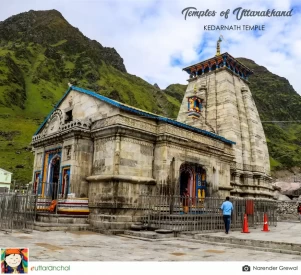
A: Kedarnath Temple is one of the four sacred shrines of the Char Dham Yatra and is dedicated to Lord Shiva.
Q: What is the best time to visit Shiva temples in Uttarakhand?
A: May to June and September to October are the best months, while Shravan month and Maha Shivratri are especially significant for devotees.
Q: Are there trekking routes to Shiva temples in Uttarakhand?
A: Yes, temples like Kedarnath, Tungnath, Rudranath, and Madhyamaheshwar require trekking through scenic Himalayan trails.
Q: Which is the highest Shiva temple in Uttarakhand?
A: Tungnath Temple is the highest Shiva temple in the world, located at an altitude of about 3,680 meters.
Q: Are Shiva temples in Uttarakhand open throughout the year?
A: High-altitude temples close during winter due to snowfall, but lower altitude temples remain open year-round.
Q: Why do devotees visit Shiva temples in the Himalayas?
A: Devotees believe that worshipping Lord Shiva in the Himalayas grants spiritual purification, blessings, and liberation.
Q: Which Shiva temples are suitable for family pilgrimage?
A: Neelkanth Mahadev, Jageshwar Dham, Baijnath Temple, and Someshwar Temple are easily accessible and suitable for families.