Tea Gardens and Tea Estates in Uttarakhand
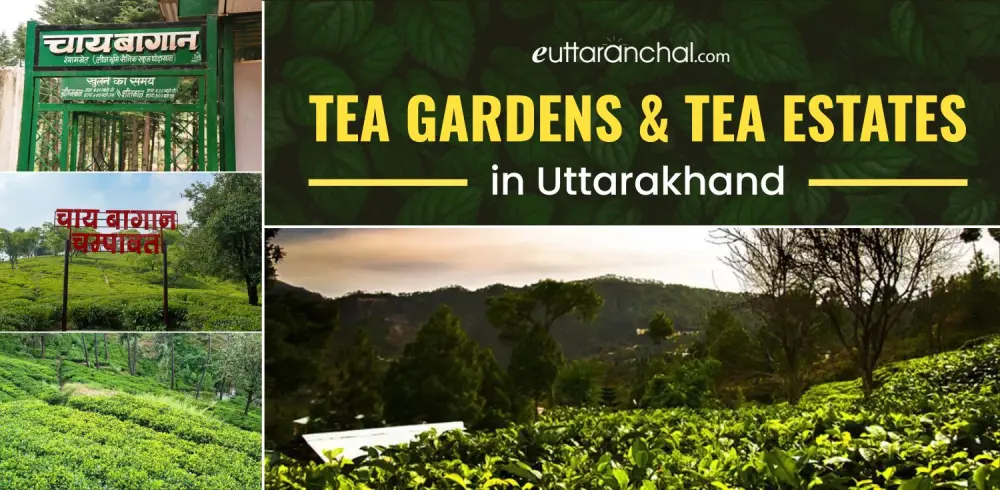
Kumaon region is emerging as one of the best offbeat destinations for tea tourism in Uttarakhand. Tea estates in Kausani, Champawat, and Ghorakhal are known for organic tea cultivation, scenic plantation views, and peaceful surroundings, making them ideal places for nature lovers and slow travel experiences.
Known for its salubrious weather that supports varied flora, Uttarakhand has some sylvan areas where tea plantation is done on a large scale. Uttarakhand is home to several notable tea gardens, blending natural beauty with a rich tea heritage.
These gardens highlight Uttarakhand’s tea industry, with ongoing efforts to enhance tourism through facilities like tea huts, cafes, and viewpoints, especially in Champawat.
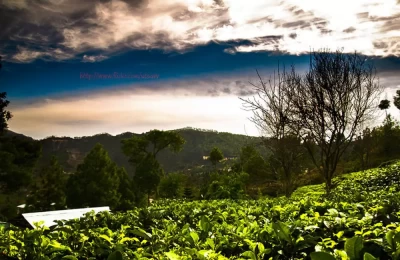
Apart from plantation visits, tourists can enjoy short nature walks, photography points, and viewpoints around these tea gardens. These destinations are perfect for travelers looking for quiet places away from crowded hill stations while still experiencing the natural beauty of Uttarakhand.
Tea tourism is also helping promote local products and livelihoods in remote hill regions. Visitors often explore nearby villages, viewpoints, and local markets, making tea estates one of the most unique travel experiences in Uttarakhand.
To boost tourism, the Tea Garden Tourism Development Autonomous Cooperative Society, formed in Ghorakhal under the guidance of Nainital District Administration, is enhancing visitor experiences.
For a fee of Rs. 40 per tourist, visitors to the Ghorakhal Tea Garden receive a guided tour of the garden and tea factory, along with insights into tea production. Refreshments and tea tastings featuring the Board’s produce are also offered during the visit. Additionally, tea tourism initiatives have expanded to Bageshwar district.
In Kausani Tea Garden, with support from Bageshwar District Administration and the Tourism Department, developments include trekking routes, path lighting, resting areas, refreshment rooms, Sulabh toilets, and parking facilities for tourists. A fee of Rs. 25 per tourist provides access to plantation and factory tours, ensuring a well-supported experience.
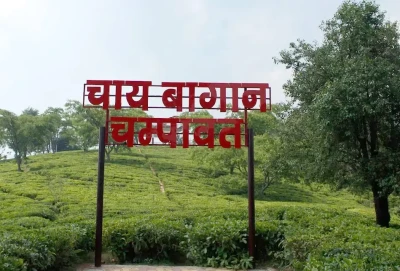
In Champawat district, the Board, in collaboration with local administration and the Tourism Department, has introduced tea huts, tea cafes, viewpoints, selfie points, and footpaths in the tea gardens to further promote tea tourism across the region. These efforts are making Uttarakhand’s tea estates a must-visit destination.
Uttarakhand Tea Products

Get answers to questions about your travel plan. Here you'll find helpful information about activities, travel tips, safety guidelines, and seasonal recommendations.
Q: Which is the most famous tea garden in Uttarakhand?
A: Kausani Tea Estate is the most famous tea garden in Uttarakhand, known for its organic tea production and panoramic Himalayan views.
Q: Where are tea gardens located in Uttarakhand?
A: Major tea gardens are located in Kausani, Champawat, Ghorakhal near Nainital, and parts of Bageshwar district.
Q: What is tea tourism in Uttarakhand?
A: Tea tourism involves visiting tea plantations, learning about tea processing, and enjoying fresh tea tasting experiences.
Q: What is the best time to visit tea gardens in Uttarakhand?
A: The best time to visit is from March to June and September to November when the weather is pleasant and plantations are lush green.
Q: Can tourists visit tea factories in Uttarakhand?
A: Yes, some tea estates allow visitors to explore tea factories and understand the tea production process.
Q: Are tea gardens good places for sightseeing?
A: Yes, tea gardens offer peaceful surroundings, scenic views, and excellent photography opportunities.
Q: Can visitors buy tea from these estates?
A: Yes, tourists can purchase fresh organic tea and local products directly from tea gardens.
Q: Which district is known for tea production in Uttarakhand?
A: Bageshwar district is well known for tea production, especially the Kausani region.
Q: Why are tea gardens becoming popular destinations in Uttarakhand?
A: Tea gardens promote eco-tourism, peaceful travel experiences, and showcase the region’s organic tea heritage.