Chopta Photography Tips
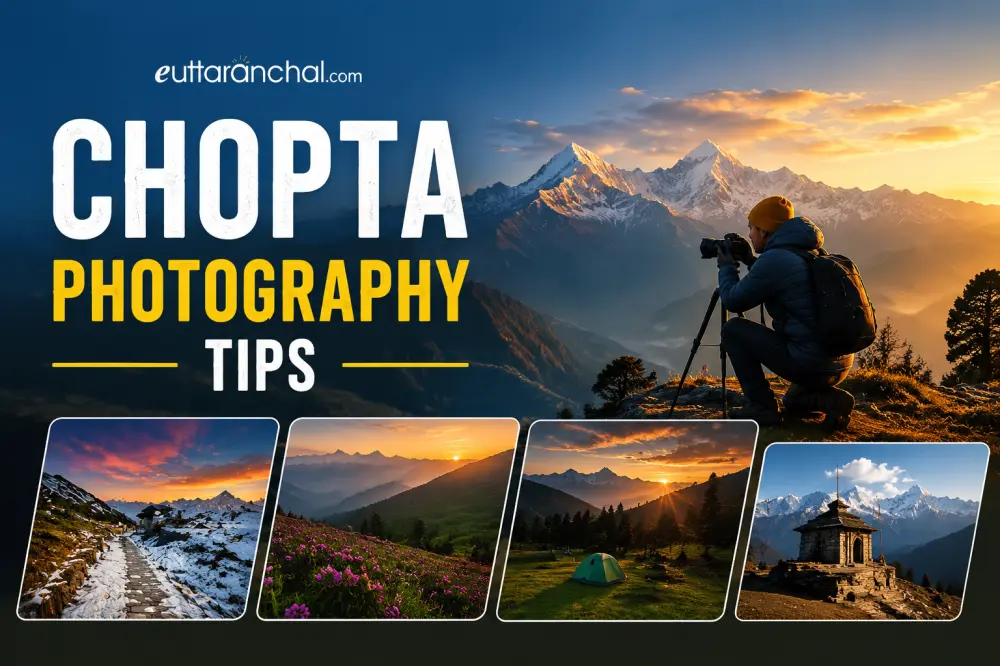
Chopta, a small hamlet located at Kedarnath Wildlife Sanctuary serves as the base for trekking to Tunganath and Chandrashila. Curled up beautifully at the lap of the Himalayas, Chopta is a picturesque location surrounded by pine, deodar, and rhododendron forests.
Chopta offers excellent opportunities for landscape, wildlife and trekking photography throughout the year. From the sunrise at Chandrashila to the ancient Tungnath Temple and the surrounding alpine meadows, every season presents different colours and lighting conditions. These photography tips will help you capture the region more effectively while respecting its natural environment.
| Best Time for Photography | Sunrise & Sunset |
|---|---|
| Top Photography Spots | Chandrashila, Tungnath, Deoria Tal & Chopta Meadows |
| Best Season | March-May & October-December |
| Photography Styles | Landscape, Wildlife, Astro & Trek Photography |
| Mobile Photography | Excellent in Clear Weather Conditions |
| Must Capture | Sunrise Over Himalayan Peaks |
Photography Tips For Chopta
1. Try to capture the sunrise and sunsets
You may already know that the golden hours of the day, i.e. the hour just after sunrise and sunset are the most beautiful part of the day. If magic was an element, the golden hours add that to the pictures. And Chopta looks stunning when the sun slowly spreads itself across the mighty Himalayas. The sunsets are equally beautiful with a deep hue of golden yellow and orange dispersed across the sky.
2. Shoot in natural light as much as possible
Early morning light produces softer shadows and clearer views of the Himalayan peaks around Chopta and Chandrashila. During the afternoon, clouds often build up, reducing long-distance visibility. Planning important landscape shots around sunrise usually provides the best results.
3. Capture photos in a wide-angle view :
Chopta with its rich meadows and significant mountain peaks at the backdrop provides a surreal sight that can best be captured with a wide-angle view. Shoot in wide-angle to get the best out of Chopta.
4. Use Natural Foreground Elements
Include wildflowers, prayer flags, forest trails or alpine grasslands in the foreground to add depth to your mountain photographs. These natural elements help create a stronger sense of scale while highlighting the Himalayan landscape.
5. Plan Your Photography Around the Season
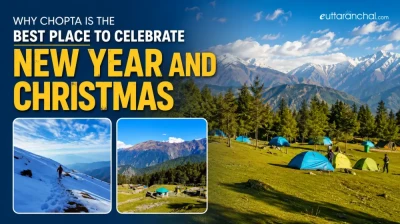
Each season changes the appearance of Chopta. Spring is known for blooming rhododendron forests, summer offers green meadows, autumn provides the clearest mountain views, and winter transforms the region into a snow-covered landscape. Choosing the right season depends on the type of photographs you want to capture.
6. Explore Beyond the Main Road
Many of Chopta's best photography opportunities are found along the forest trails leading towards Tungnath and Chandrashila. Walking a little away from busy viewpoints often allows you to capture quieter landscapes with fewer people in the frame.
7. Photograph Different Types of Landscapes
Don't limit yourself to mountain panoramas. Capture forest paths, grazing livestock, traditional stone houses, temple architecture and changing weather conditions to create a more complete visual story of Chopta.
8. Respect Local People and Religious Places
Always ask permission before photographing local residents or sadhus. While visiting Tungnath Temple or nearby villages, respect local customs and avoid disturbing worshippers during religious activities.
9. Protect Your Camera Equipment
Weather in Chopta can change quickly, especially during the monsoon and winter months. Carry a waterproof backpack, lens cleaning cloth, extra batteries and sufficient memory cards. If you plan sunrise or night photography, a sturdy tripod is highly recommended.
Note: Carry your tripod
Best Photography Locations in Chopta
| Location | Best Subject |
|---|---|
| Chandrashila Summit | Sunrise & Himalayan Panorama |
| Tungnath Temple | Temple Architecture & Mountain Backdrops |
| Chopta Meadows | Landscape & Seasonal Photography |
| Deoria Tal | Reflection Photography |
| Forest Trails | Nature & Wildlife Photography |
Best Time of Day for Photography in Chopta
| Time | Recommended Subjects |
|---|---|
| Before Sunrise | Blue hour and Himalayan silhouettes. |
| Sunrise | Golden light on Chaukhamba, Nanda Devi and surrounding peaks. |
| Morning | Forest trails, temples and meadow landscapes. |
| Evening | Sunset colours and long-shadow landscape photography. |
| Night | Star photography during clear weather with minimal moonlight. |
When Is the Best Season for Photography in Chopta?
Each season offers different photographic opportunities. Spring brings blooming rhododendrons and vibrant forests, summer provides clear mountain views, autumn offers crisp visibility and dramatic skies, while winter transforms the region into a snow-covered landscape ideal for capturing Himalayan winter scenes.
Photography Tips for Mobile Phone Users
Modern smartphones can capture excellent images in Chopta when used during favourable lighting conditions. Early morning and late afternoon provide the best natural light. Using leading lines, foreground elements and panoramic mode can help create more engaging mountain photographs even without professional camera equipment.
Essential Camera Gear for Chopta
- Wide-angle lens for Himalayan landscapes.
- Telephoto lens for distant peaks and Himalayan birds.
- Tripod for sunrise, sunset and night photography.
- Extra batteries, as cold weather reduces battery life.
- Lens cleaning cloth to remove dust and moisture.
- Rain cover to protect equipment during sudden showers.
Popular Photography Subjects in Chopta
Some of the most popular photography subjects include the sunrise from Chandrashila Summit, Tungnath Temple, snow-covered Himalayan peaks, rhododendron forests, alpine meadows, Himalayan monal sightings, forest trails and the reflections at Deoria Tal during calm weather.
Photography Checklist Before Visiting Chopta
- Check the local weather forecast before leaving.
- Carry fully charged batteries and spare memory cards.
- Reach sunrise viewpoints before dawn.
- Carry rain protection for both yourself and your camera.
- Wear comfortable shoes if photographing along trekking trails.
- Respect wildlife and avoid disturbing birds or animals while taking photographs.