Bird Watching in Chopta
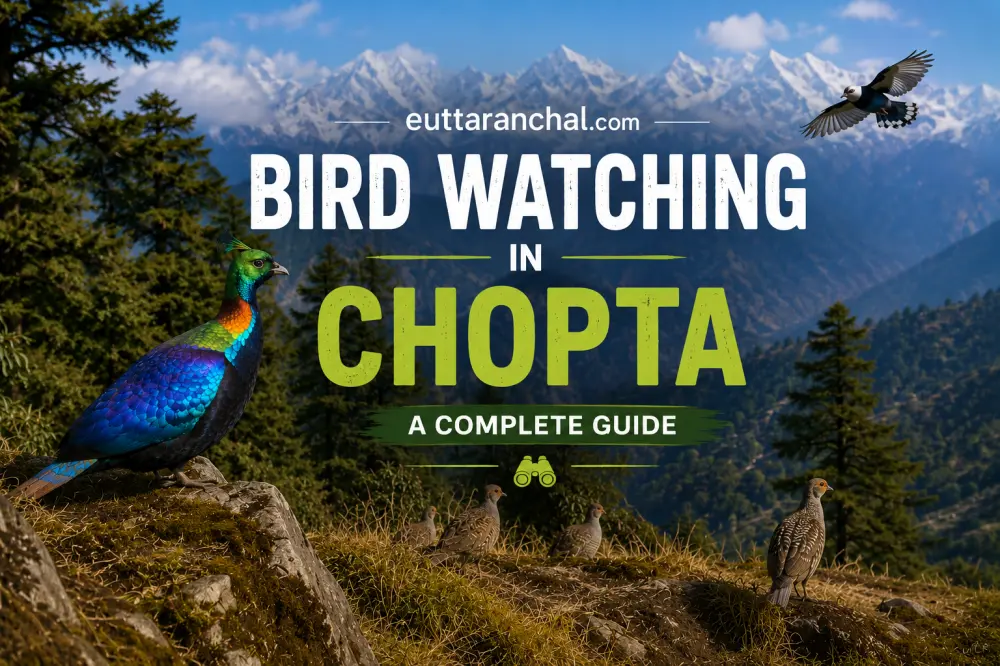
Chopta is one such fantastic birding place for every birder, apart from the splendid natural beauty. Situated in the Western Himalayan Mountain ranges in the state of Uttarakhand, Chopta is a part of Kedarnath Wildlife Sanctuary. Surrounded by dense forests, Chopta supports rich biodiversity. The forests are home to rhododendron, oak, deodar, and Himalayan fir which provides habitat for various birds.
A birding hotspot, Chopta became famous because of its amazing bird diversity, which includes a long list of Western Himalayan birds. The region is the paradise for bird watchers. Many birds such as Himalayan Monal, Himalayan Griffon, Scarlet Finch, Mountain Hawk Eagle, GoldenEye, Hill Partridge are found here. The area has the identification of over 240 bird species and declared the Important Bird Area (BNHS and Birdlife International).
Get complete guide to birding in Chopta Region
| Famous For | Himalayan Monal & Western Himalayan Bird Species |
|---|---|
| Recorded Species | 240+ Bird Species |
| Best Birding Season | March to June & September to November |
| Ideal Duration | 3–7 Days |
| Top Birding Locations | Duggalbitta, Mandal, Makkumath, Tungnath Trail |
| Best Time of Day | Early Morning (Sunrise to 10 AM) |
| Suitable For | Beginners, Bird Photographers & Experienced Birders |
Bird Habitats Found Around Chopta
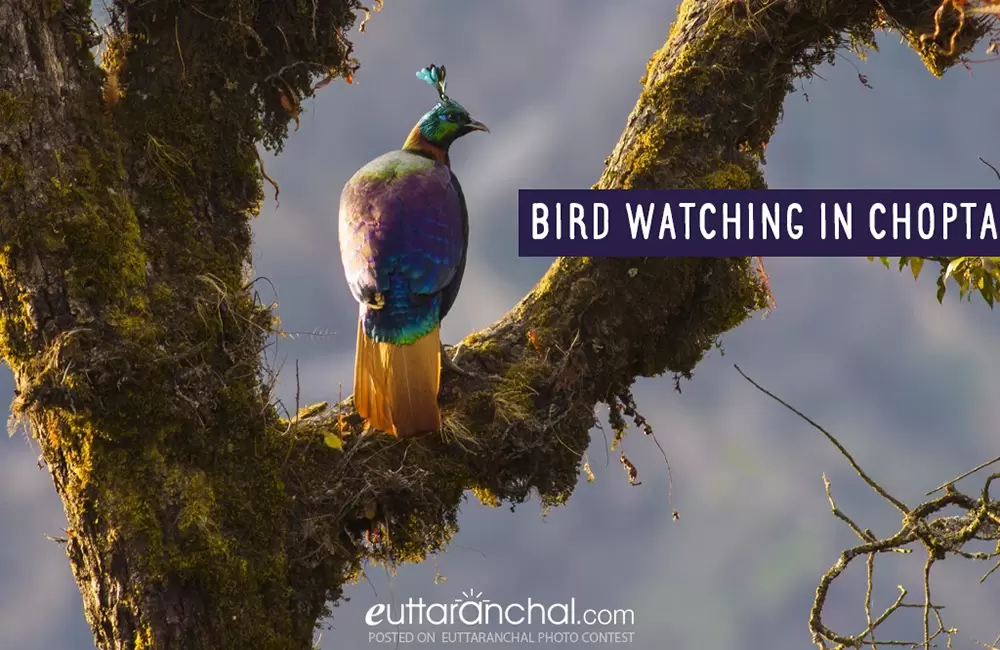
One of the main reasons for Chopta's rich bird diversity is the variety of habitats found within a small area. Dense oak and rhododendron forests, alpine meadows near Tungnath, village farmlands around Mandal and mixed woodland around Makkumath attract different species throughout the year. Bird watchers often explore multiple elevations during a single trip to maximize sightings.
Chopta Bird Watching Guide
If you want to see birds in abundance or wish to be amazed by the music they create, visiting them in their natural habitat seems like the only option. And for that, Chopta is the ultimate place to enjoy birding. This can be best explored in a week-long visit. Covering; Chopta - Tungnath temple, Deoriatal, Mandal, Makku and agriculture fields, etc.
Chopta's forests support a wide variety of Himalayan bird species due to the presence of mature oak, deodar and rhododendron trees. These habitats provide food, nesting areas and shelter for pheasants, flycatchers, woodpeckers, laughingthrushes and many migratory birds that visit the region during different seasons.
Bird watching in Chopta not only helps to understand nature in a better way but it also creates a new dimension of enthusiasm in the hearts of the trekker. At Chopta one can find a varied species of birds in their natural habitat.
Check some of the Chopta Birds Pictures
Best Time for Bird Watching in Chopta
Chopta is the round the year destination for bird watching as, during different seasons, it becomes home for different migratory birds. To see most of the species of birds March to November are the best months. Check out Chopta Weather and How to reach Chopta.
In Winters: Some very famous birds like The Himalayan Monal, Bearded Vultures and Laughter Thrust are spotted in this area. If you’re traveling to Chopta in Winters then you will surely feel lucky on spotting the Snow Patridge from close quarters.
Tips: In Chopta an early summer trip might help you to spot the mysterious Spot-winged Starling and other gorgeous species.
Signature Birds of the Chopta Region
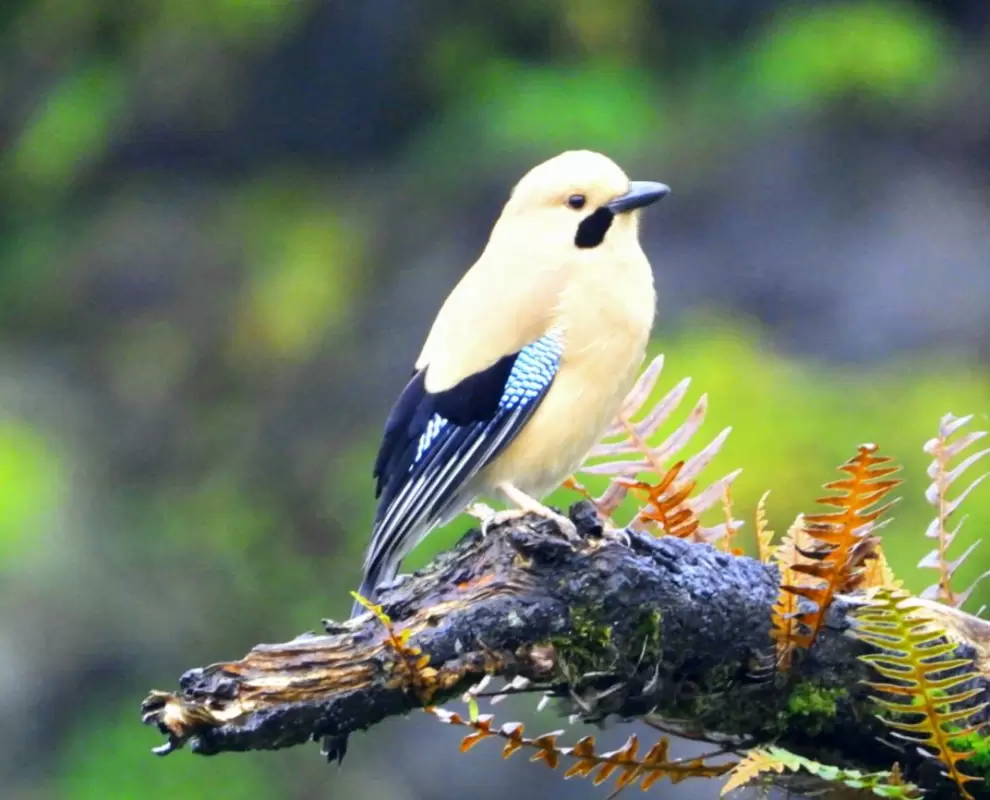
The Himalayan Monal remains the biggest attraction for bird watchers visiting Chopta. Other notable species regularly reported from the region include Koklass Pheasant, Himalayan Griffon, Fire-tailed Sunbird, Himalayan Bluetail, Great Barbet, Red-billed Blue Magpie and several species of laughingthrushes. Bird activity is usually highest during the early morning hours when the forests are comparatively quiet.
Best Places for Bird Watching Around Chopta:
1. Duggalbitta (Chopta)
Duggalbitta is one of the most productive birding locations near Chopta. The surrounding forests and open slopes support more than 140 recorded bird species. Bird watchers frequently report sightings of Fire-tailed Sunbird, Brown Dipper, Himalayan Woodpeckers, Russet Sparrow, Tickell's Leaf Warbler and several high-altitude Himalayan species.
2. Devdarshini point on Tungnath trek
Surrounded by forests of pine, Deodar, and rhododendron and is rich in flora and fauna, this place has rare species of birds. Some of the birds that can be seen here are; Himalayan Monal, Koklass Pheasant, Chestnut-crowned Laughing thrush, Himalayan Bluetail, Fire-tailed sunbird, Himalayan Griffon, Red-billed Blue Magpie etc…..
3. Makku Math
This region is clothed with the lush green forests where several species can be found including; Long-tailed Minivets, Eurasian and Black-headed Jay, Great Barbet, Russet Sparrow, Tickell’s Thrush, Golden Bush Robin etc… When traveling to Makkumath in the Chopta region, you will find the rare finches and maybe a nested Pine Thrush. Move down this elevation and stop to see the Yellow-rumped Honeyguide.
4. Mandal
A small charming village situated in the laps of Himalayas. Away from city life, the village is the perfect place for birding. This place has one of the richest bird diversities. Common birds in the broad-lived forest at Mandal included the Red-billed, Yellow-billed, Blue Magpie, Long-tailed Minivet, Oriental Turtle Dove.
Popular Birding Routes Around Chopta
Most bird watchers explore four major birding zones in the region: Duggalbitta, the Tungnath trail, Mandal Valley and Makkumath. Each location offers different habitats and elevations, allowing visitors to observe a broader range of Himalayan bird species during a single trip.
Types of Birds found in Chopta / Chopta Birds
This landscape has one of the richest bird diversities and is declared an Important Bird Area (BHNS and Birdlife International). There is a long list of different types of bird which you can spot in Chopta, especially the signature bird Himalayan Monal which is a relatively easy bird to see with several other birds.
Commonly Recorded Bird Species
Bird watchers visiting Chopta regularly record species such as Himalayan Monal, Koklass Pheasant, Great Barbet, Fire-tailed Sunbird, Green-tailed Sunbird, Himalayan Griffon, Red-billed Blue Magpie, Verditer Flycatcher, Rufous-gorgeted Flycatcher, Chestnut-bellied Nuthatch, White-throated Laughingthrush and several Himalayan warblers. Species diversity varies with season, elevation and weather conditions.
Bird Photography Opportunities in Chopta
Chopta is also popular among wildlife photographers because many Himalayan bird species can be observed at relatively close range. Forest trails around Duggalbitta, Mandal and Tungnath provide excellent opportunities for photographing pheasants, sunbirds, flycatchers and Himalayan raptors against natural mountain backdrops.
Bird Watching Guides in Chopta Region
Mr. Yashpal Negi, Mr. Dinesh Negi, Mr. Dinesh Bajwal and Mr. Bharat Pushpwan are some of the top bird watchers in the region. If you need contact details/phone numbers of Bird watching guides then kindly fill the inquiry form.
Suggested Bird Watching Itinerary
A three to four day birding trip allows visitors to cover the major birding zones around Chopta. Many bird watchers spend one day around Duggalbitta, one day on the Tungnath trail and additional time exploring Mandal and Makkumath, where different habitats support different bird communities.
Bird Watching Tips for Chopta Visitors
- Start birding shortly after sunrise when bird activity is highest.
- Walk slowly along forest trails and avoid sudden movements.
- Listen carefully to bird calls, especially in dense oak forests.
- Carry binoculars and a camera with a zoom lens for better observation.
- Visit multiple elevations such as Mandal, Duggalbitta and Tungnath for greater species diversity.
- Avoid disturbing nesting birds or playing recorded bird calls loudly.
- Wear earth-toned clothing that blends with the surroundings.
- Keep sufficient time in your itinerary, as many Himalayan species require patience to locate.