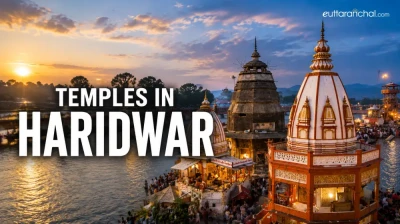
Ghats in Haridwar
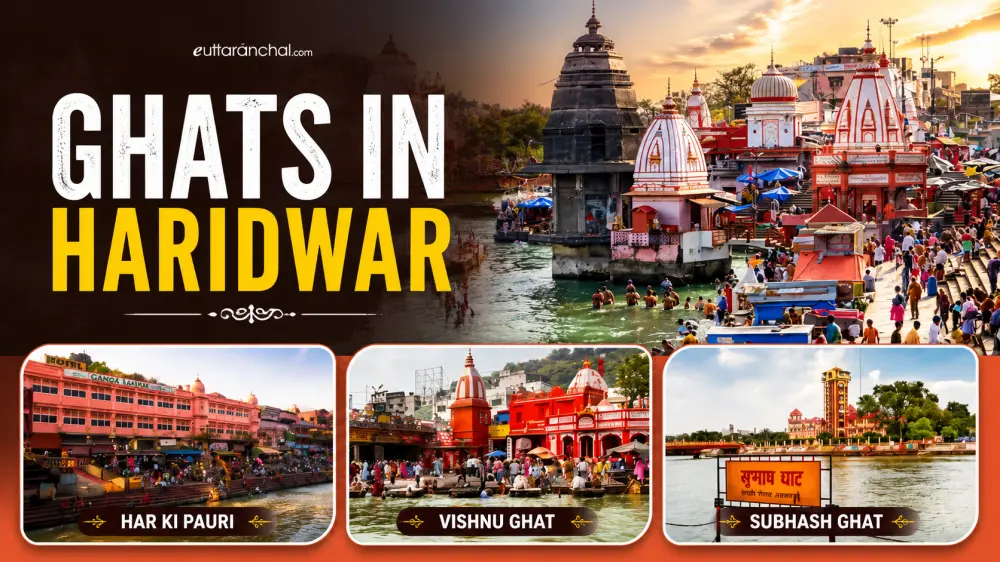
Haridwar is one of the holiest pilgrimage cities in India and is renowned for its sacred ghats along the River Ganga. Every year, millions of pilgrims visit these riverfront steps to take a holy dip, attend the evening Ganga Aarti and perform religious rituals.
Each ghat in Haridwar has its own religious significance and serves different purposes, ranging from daily worship and ceremonial bathing to religious offerings and ancestral rituals. The most famous among them is Har Ki Pauri, while several other ghats also attract devotees throughout the year.
Famous Ghats in Haridwar
Har ki Pauri
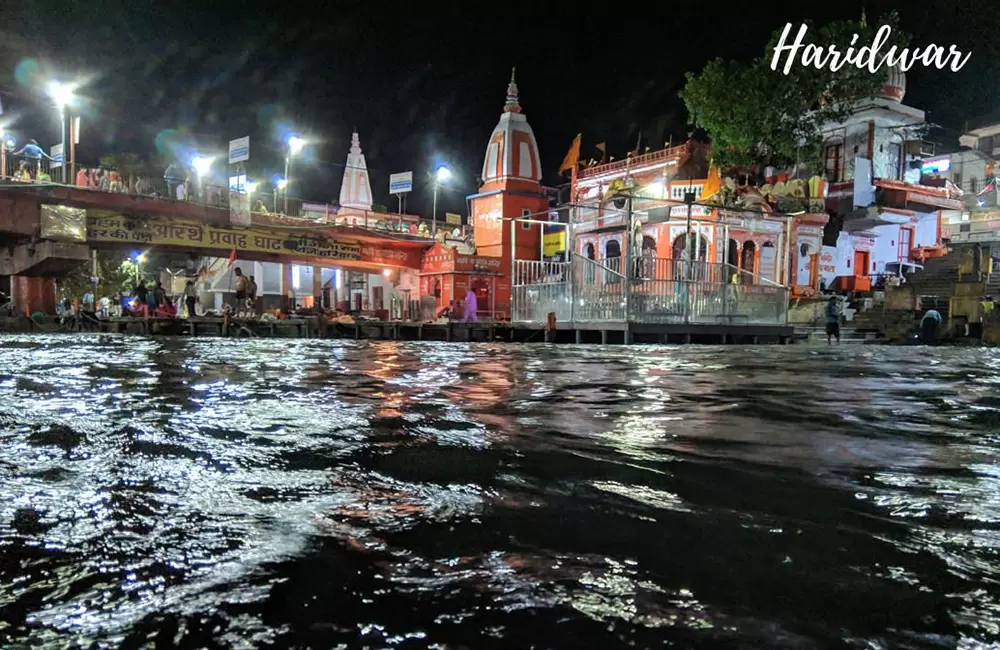
Har Ki Pauri is the most famous ghat in Haridwar and the spiritual centre of the city. It is believed that Lord Vishnu left his footprint here, making the site highly sacred. Thousands of devotees gather every morning and evening to participate in the Ganga Aarti and take a holy dip in the river.
Gau Ghat
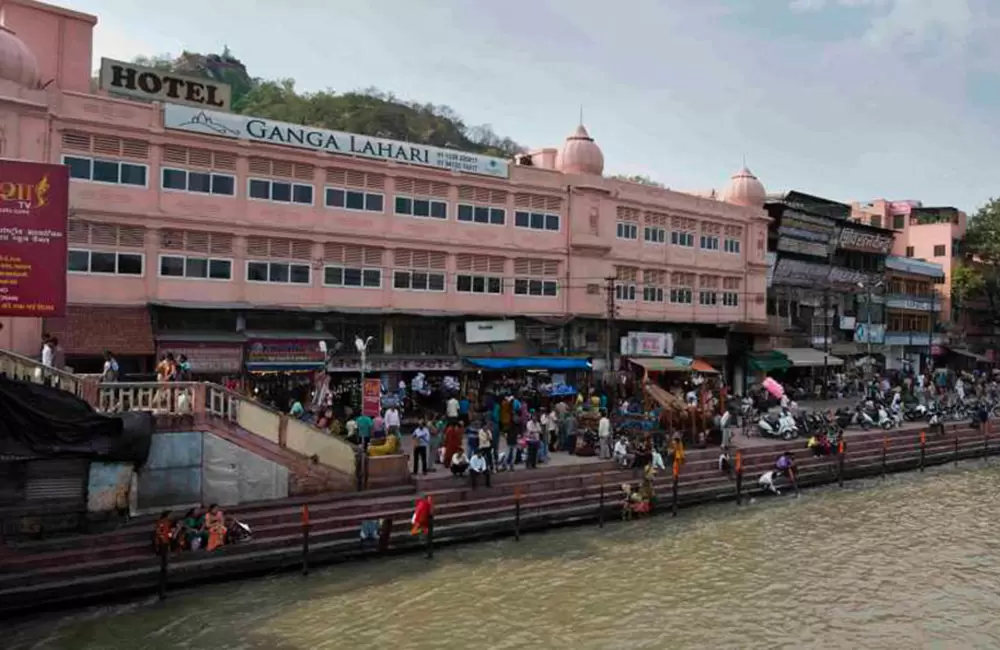
Gau Ghat is located near Har Ki Pauri and is considered a sacred place where devotees perform prayers and seek forgiveness according to Hindu beliefs. The ghat is also known for its peaceful surroundings and its historical association with the immersion of the ashes of several national leaders.
Ashti Parvath Ghat
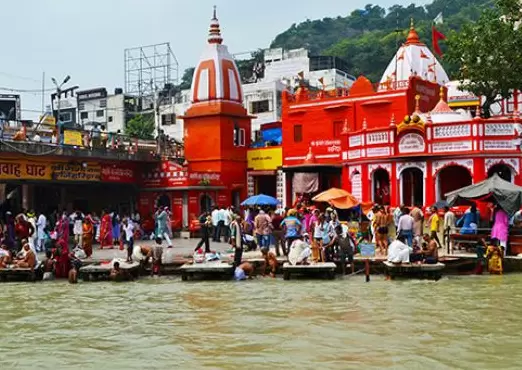
Ashti Parvath Ghat is primarily associated with the immersion of ashes after cremation. Families visit the ghat to perform last rites and traditional rituals for their departed ancestors in the sacred waters of the Ganga.
Subhash Ghat
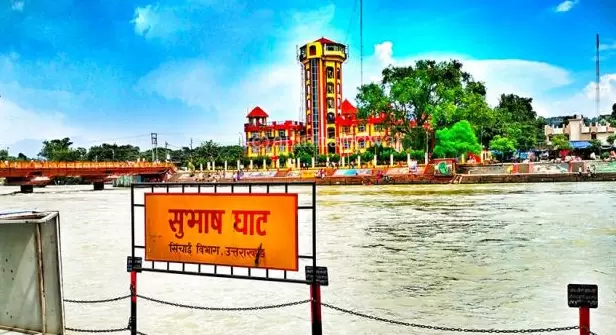
Located close to Har Ki Pauri, Subhash Ghat is named after Netaji Subhas Chandra Bose. It is a popular bathing ghat where pilgrims gather for religious rituals and enjoy a comparatively peaceful atmosphere away from the main crowd.
Best Time to Visit Haridwar Ghats
The ghats can be visited throughout the year, but the most popular time is during the morning hours and at sunset when the famous Ganga Aarti takes place at Har Ki Pauri. Festivals such as Ganga Dussehra, Kartik Purnima, Kanwar Yatra and Kumbh Mela witness exceptionally large gatherings.
Other Popular Ghats in Haridwar
Besides the major ghats, Haridwar has several smaller bathing ghats that are frequently visited by pilgrims for religious rituals and holy dips.
- VIP Ghat
- Vishnu Ghat
- Ram Ghat
- Kusha Ghat
- Laltarao Pul Ghat
- Pram Nagra Ghat
- Singh Dwar Ghat
- Pul Jatwara Ghat
Visitor Tips for Haridwar Ghats
- Visit Har Ki Pauri early morning or during the evening Ganga Aarti.
- Keep footwear outside temple and ghat areas where required.
- Use designated changing rooms after taking a holy dip.
- Avoid entering deep water or crossing safety chains.
- Help keep the ghats clean by avoiding plastic waste.