Kumbh Mela 2027 Haridwar
Haridwar Kumbh Mela 2027

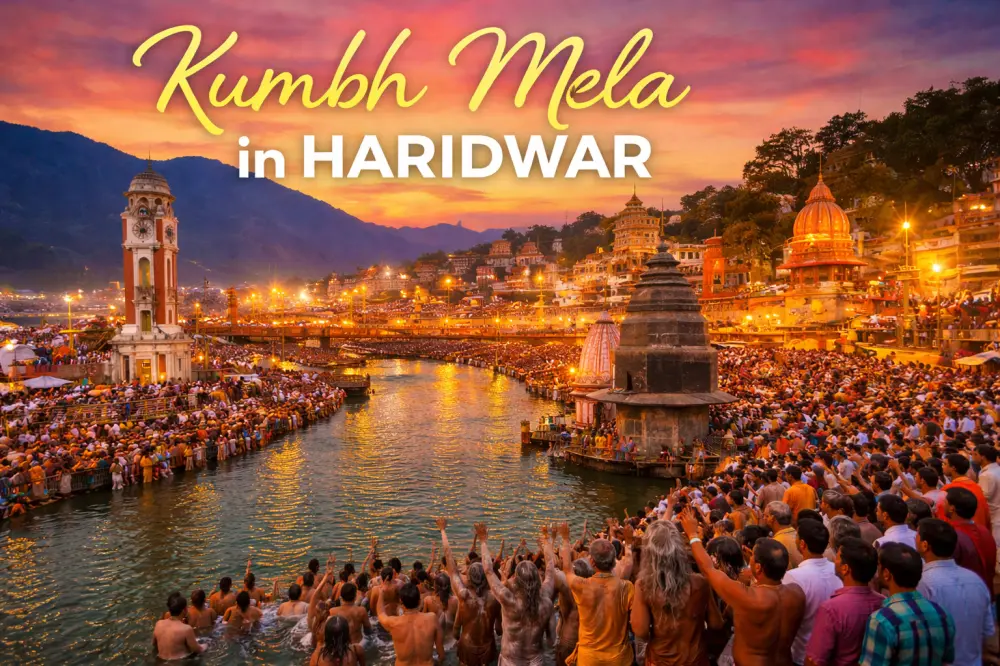
Kumbh Mela is one of the most auspicious religious mass pilgrimage event in Hinduism which occurs in every 12 years. It is also one of the largest peaceful gatherings of people anywhere in the world with millions of devotees and pilgrims partaking in the grand pilgrimage and take a dip in the holy river the Ganges to absolve all their sins. 

Spiritual gurus from all over the country come Kumbh Mela, to witness the auspicious Hindu cultural and religious festival. Kumbh Mela allows you to introspect and explore the spiritual side with the guidance of some of the most renowned spiritual guides.

Haridwar is one of the four holy sites that host the Kumbh Mela (others are Prayagraj, Ujjain, and Nashik). It is considered sacred because:

  • It is where the nectar of immortality (amrit) fell during the Samudra Manthan (churning of the ocean).
  • It is located on the banks of the Ganga River, one of Hinduism’s holiest rivers.
  • Pilgrims believe bathing in the Ganga during Mahakumbh absolves sins and ends the cycle of rebirth.

Haridwar holds a special place as it is where the Ganga descends from the Himalayas into the plains, making it one of Hinduism’s holiest cities.

The Kumbh Mela at Haridwar is held when:

  • Jupiter (Brihaspati) enters Aquarius (Kumbh Rashi)
  • Sun and Moon align in specific zodiac positions

Get Latest Updates on Kumbh Mela Haridwar

Kumbh Mela 2027 Important Dates

Popular Bathing (Shahi Snan) Dates
Shahi Snan No.
Date
Occasion
First Shahi Snan14 Jan 2027
Makar Sankranti
Second Shahi Snan6 Feb 2027Mauni Amavasya
Third Shahi Snan11 Feb 2027Basant Panchami
Fourth Shahi Snan20 Feb 2027Magha Purnima
Seventh Shahi Snan7 Apr 2027Nav Samvatsar
Ninth Shahi Snan15 Apr 2027Ram Navami
Tenth Shahi Snan20 Apr 2027Chaitra Purnima
Amrit Snan (Royal Bath) Dates
Amrit SnanDateOccasion
1st Amrit Snan6 Mar 2027Mahashivratri
2nd Amrit Snan8 Mar 2027Somvati Amavasya
3rd Amrit Snan14 Apl 2027Mesh Sankranti / Baisakhi
4th Amrit Snan20 Apr 2027Chaitra Purnima

Note: The above dates of Shahi snans are subject to change. Exact dates will be determined according to Hindu astrological calculations, particularly based on the positions of Jupiter and the Sun.

Key Rituals and Spiritual Activities at Kumbh Mela

  • Holy dip in the Ganga
  • Ganga Aarti
  • Discourses by saints
  • Yajnas and havans
  • Yoga and meditation sessions
  • Spiritual debates and satsangs

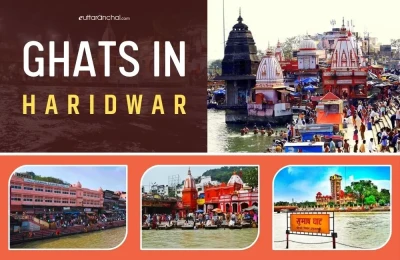
List of Bathing Ghats in Haridwar

  • Har Ki Pauri
  • Asthi Pravath Ghat
  • Subhash Ghat
  • Gau Ghat
  • Sapth Sarover Kshetra Ghat
  • Sarvanand Ghat
  • Pantdweep Ghat
  • Kangra Ghat
  • Roode Bale Wala Ghat
  • Ganesh Ghat
  • Varagi Camp Ghat
  • Sati Ghat
  • Daksheshwar Ghat
  • Singh Dwar Ghat
  • Sita Ghat

Accommodation Options during Kumbh Mela

Akharas at Kumbh Mela

Akharas are religious monastic orders that play a central role in the Kumbh Mela.

  • Shaiva Akharas (followers of Lord Shiva)
  • Vaishnava Akharas (followers of Lord Vishnu)
  • Udaseen Akharas

Each Akhara has a designated order for Shahi Snan, strictly followed as per tradition.


Kumbh Mela Mythology with Haridwar

Haridwar is considered one of the Sapta Puri or ‘seven holy places’ according to Hinduism. The Kumbh fair traces its origin in the ancient legend of Samudra Manthan. When the battle of churning ocean between devas and asuras led to the creation of Amrit, the Lord Vishnu instructed Garuda to fly away with the elixir to keep it beyond the reaches of asuras. 

Revered and sacred texts in Hinduism proclaim Haridwar to be one of the four places where drops of Amrit, the elixir of immortality were dropped from the Kumbh (pot) by Garuda, the celestial bird of Lord Vishnu.


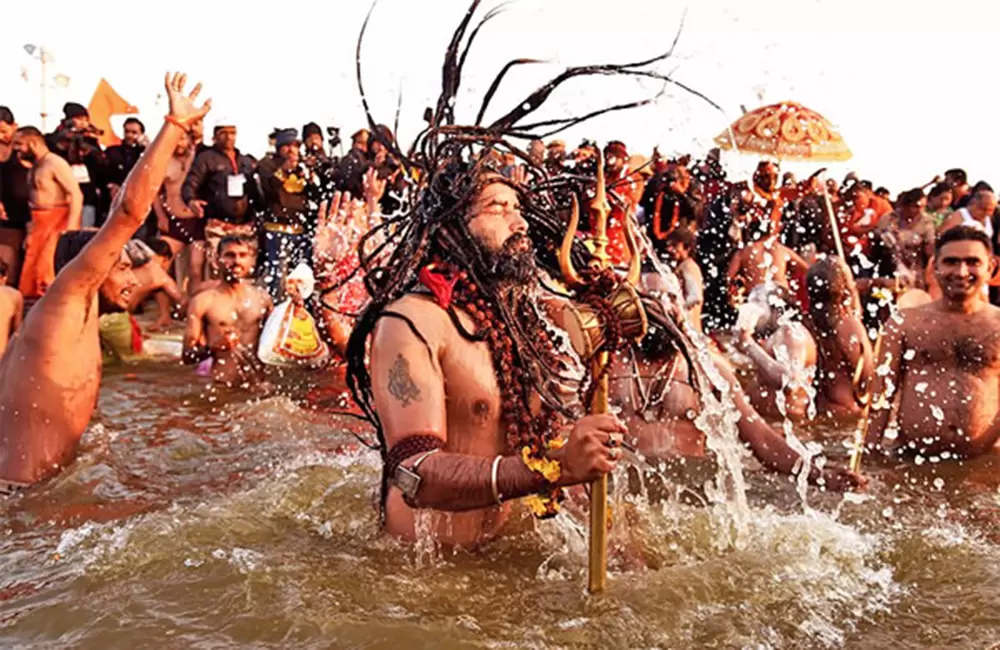
 Vitthal Jondhale : Wikipedia: Sadhus performing Shahi Snan during Kumbh Mela

Kumbh Rites and Rituals

Million of pilgrims congregate on the banks of river Ganges to take part in the ritual bathing. It is believed taking a dip in the holy water at the auspicious Kumbh Mela cleanse devotees of all their sins. 

Another popular ritual at Kumbh Mela is the Peshwai procession which marks the arrival of members of different akharas and sect of sadhus. For instance, the Naga sadhus are the first to enter the holy water according to the fair tradition. Other rituals like devotional singing of hymns and religious discourse also take place at the Kumbh.

One another important aspect of Kumbh fair is the darshan of ascetics, sadhus and sages who usually nomadic, congregate at the Kumbh fair at large number. The Hindu pilgrims and devotees who visit Kumbh make sure to seek blessings and guidance from the sadhus towards their own spiritual life.

  • Shahi Snan (Royal Bath): The most important ritual, where Naga sadhus and akharas (religious orders) take the first holy dip at pre-decided times.
  • Snan Parv (Bathing Days): Specific auspicious dates are set for the general public to bathe in the river.
  • Darshan of Sadhus & Akharas: Witness various sects of sadhus, including Naga, Udasin, Vaishnav, Shaiva, and others, who only appear during Kumbh.
  • Religious Discourses & Yajnas: Spiritual gatherings, bhajans, kirtans, yagnas, and Ganga aarti are held across Haridwar.

Why Kumbh Mela Haridwar is Unique?

The Kumbh Mela at Haridwar is not just a festival—it is a spiritual phenomenon, a timeless confluence of faith, devotion, and human unity. Whether you come as a pilgrim, seeker, researcher, or traveller, the experience leaves an indelible mark on the soul.

  • Gateway to the Himalayas
  • Sacred Ganga origin point
  • Deep-rooted Vedic traditions
  • Blend of spirituality, culture, and devotion

Types of Kumbh at Haridwar

Maha Kumbh Mela

  • Occurs once every 12 years
  • Considered the most auspicious
  • Attracts the largest gatherings

 Ardh Kumbh Mela

  • Held every 6 years
  • Observed at Haridwar and Prayagraj

 Kumbh Mela

  • Occurs based on astrological calculations
  • Includes multiple sacred bathing dates

Infrastructure & Management by Uttarakhand Govt for Kumbh Mela

The Uttarakhand government sets up:

  • Temporary bridges and ghats
  • Security and surveillance systems
  • Medical camps and emergency services
  • Clean drinking water and sanitation facilities

The event is managed with coordination among civil administration, police, disaster response teams, and health departments.


Kumbh Mela Frequently Asked Questions


Check out some of the most asked questions with detailed answers. It will help you to understand about Kumbh Mela.

Q: Do I have to register for Kumbh Mela in Haridwar? and where?
A:
Yes and All details regarding registration for Kumbh Mela are given here.

Q: What is Kumbh Mela?
A:
Kumbh Mela is the largest religious gathering of Hindus held four times over the course of 12 years at 4 different locations that are situated on the bank of the sacred rivers.  Prayagraj (at the confluence of the Ganga, Yamuna and Saraswati Rivers), Ujjain (River Shipra), Haridwar (River Ganga) and Nasik (River Godavari) are the four destinations.

Q: What is Ardh Kumbh Mela?
A: 
The Ardh Kumbh Mela (Half Kumbh Mela) is held every 6 years in two different locations, Allahabad and Haridwar. Ardh means ‘half’ which is interpreted as the half of 12 years.

Q: What is Mahakumbh?
A:
The Maha Kumbh Mela is held every 144 years at Prayagraj (Allahabad) only, after the completion of 12 Purna Kumbh Melas. The Purna Kumbh Mela is held every 12 years and hence, the Maha Kumbh Mela is held every 144 years.

Q: Why is Kumbh Mela celebrated? What is the importance of Kumbh Mela?
A:
It is believed, the nectar from the pot fell at four locations - Prayagraj, Ujjain, Haridwar, and Nasik during an epic battle between the gods and the demons. At these four places, Kumbh Mela takes place. The Hindu devotees throng these places with a belief that a dip in the waters of the sacred rivers will wash away all their sins.

Q: What is Shahi Snan Dates?
A: 
Shahi snan is the central highlight of the Kumbh Mela and the most important part of the celebration. There are few dates known as royal bathing (Shahi snan), considered most auspicious for Naga Sadhus. Millions of devotees gather at Kumb Mela Location for taking the holy dip in the river.

Q: In which places is the Kumbh Mela celebrated?
A:
The Kumbh Mela is held in Prayagraj (at the confluence of Ganga, Yamuna and Saraswati Rivers), Nasik (River Godavari), Ujjain (River Shipra) and Haridwar (River Ganga).

Q: How can be reach Haridwar What is the nearest airport, railway station and bus terminal to Kumbh Mela, Haridwar?
A: 
The nearest Airport to Haridwar is the Jolly Grant Airport in Dehradun (41 kms). The airport has direct flights operating from Dehradun to major cities like Delhi and Mumbai and connecting flights to all the cities of India. One can hire a cab from outside the airport to go to Haridwar.

Haridwar has its own railway station that connects it to the rest of the country. It enjoys good rail connectivity with the major cities of India like Delhi, Kolkata, Mumbai, Dehradun, Jaipur, Patna and many others.Haridwar also enjoys good road connectivity with Delhi, Haryana, Uttar Pradesh, Punjab and Uttarakhand. Frequent state-run and private buses operate between these places.

You can check here: How to reach Haridwar for more information.


Q: What are Akharas?
A:
The Akharas are the places of congregation for the saints. They were originally developed by Adi Shankarcharya in the 8th century and were divided into categories - Astradhari (intelligentsia) and Shastradhari (weapon-bearer). The Akharas are also learning centers where the devotees of Hinduism can learn about the various teachings and philosophies of the Hindu way of life as well as seek the blessings of the saints.

Q: How many Akharas take part in the Kumbh Mela?
A:
Initially, there were 4 Akharas which would take part in the Kumbh Mela. But, due to many ideological differences, these 4 Akharas were further divided into 13 categories, mainly of Shaiv, Vaishnav and Udasin sects.

Q: Who are Naga Sadhus?
A: 
The Naga Sadhus are the followers of Lord Shiva. They don’t wear any clothes and live an ascetic life having relinquished all their desires for body, comfort and material.

Q: Where do Naga Sadhus live?
A: 
The Naga Sadhus live in the caves of Himalayas, away from the contact of human civilization and meditate there in order to seek enlightenment and salvation.

Q: Can we meet Naga Sadhus?
A:
Yes, one can meet the Naga Sadhus in the Kumbh Mela. You can click their pictures, talk to them and get an insight into their lives and experiences after asking for their permission. However, if they refuse, then it is advised to respect their decision and leave them alone.

Q: Why don’t Naga Sadhus wear clothes?
A:
The Naga Sadhus have given away all their desires for material and body and live an ascetic life in order to seek spiritual enlightenment and salvation. This is the reason behind them not wearing any clothes which are a symbol of attachment to the materialistic possessions of the world.

Q: Why do Naga Sadhus smear ashes (bhasma) on their bodies?
A:
The Naga Sadhus smear their bodies with the ashes of the burned dead bodies to signify their devotion to the Lord Shiva.

Q: I have heard that motorized vehicles are ban during Kumbh Mela. Is this true?
A:
Yes, Motorized vehicles are banned during main bathing dates (Shahi snan). Millions of people are expected to visit Sangam during the bathing date, most of the border roads will be blocked to enter into the city. Even if you try to reach from the airport or station it will take several hours to reach your destination.

Q: Is there any restriction on food and drinks at Kumbh Mela?
A: 
Yes, being a very sacred place and event, it is not allowed to have non-vegetarian meal of any kind (no meat, fish, eggs, etc.) It is also not allowed to consume any alcoholic drinks.

Q: Can you please let us know things to do or activities during during Kumbh mela?
A: 
During Kumbh Mela you can do the following activites:

If you can extend your holidays then you can explore the following as well:


Haridwar Kumbh Mela Latest News and Updates

Electric Buses to Operate at Kumbh Mela 2027 for Improved Public Transport

In preparation for the upcoming Kumbh Mela 2027, the Transport Corporation has announced the deployment of electric buses within the mela premises to enhance convenience for pilgrims and visitors in Haridwar. For the first time, around 150 electric buses will be introduced in the Kumbh area as part of a strategic plan to ensure smooth, eco-friendly transportation and better crowd management during the grand religious gathering.

Haridwar Gears Up for 2027 Ardh Kumbh, 17 Crore Devotees Expected

The administration preparing for the Ardh Kumbh Mela 2027 in Haridwar has estimated that nearly 17 crore devotees will take part in the holy bathing rituals during the grand religious event.

Based on crowd assessments from previous gatherings, including the Kumbh Mela 2010 and Ardh Kumbh Mela 2016, authorities have accelerated infrastructure development projects to ensure smooth crowd management, improved facilities, and enhanced safety measures for pilgrims.

Uttarakhand CM Requests Rs 3,500 Crore from PM Modi for Haridwar Mahakumbh 2027

Date: 14 July 2025
Uttarakhand Chief Minister Pushkar Singh Dhami has formally requested a financial grant of Rs 3,500 crore from Prime Minister Narendra Modi to support preparations and infrastructure development for the upcoming Haridwar Mahakumbh in 2027.


Help us to Add More About Kumbh Mela, Haridwar!

If any information is missing or if you have any latest update about Haridwar Kumbh Mela, which is not listed above then, Kindly share the details at helpdesk@eutn.in

If you find any inappropriate information about Kumbh Mela 2027 listing do mail us in the same email id, so that we can update/remove it to provide the best information to our visitors. Thank You!


Useful Tips

  • Plan early and book your stay in advance
  • Pack modest clothing, slippers, and essentials
  • Keep photocopies of ID, emergency contacts
  • Stay hydrated and beware of pickpockets
  • Follow instructions from authorities 
  • Avoid entering the river during peak crowd hours
  • Follow official bathing schedules
  • Keep identification and emergency contacts
  • Respect local customs and traditions