Monuments of National Importance in Uttarakhand
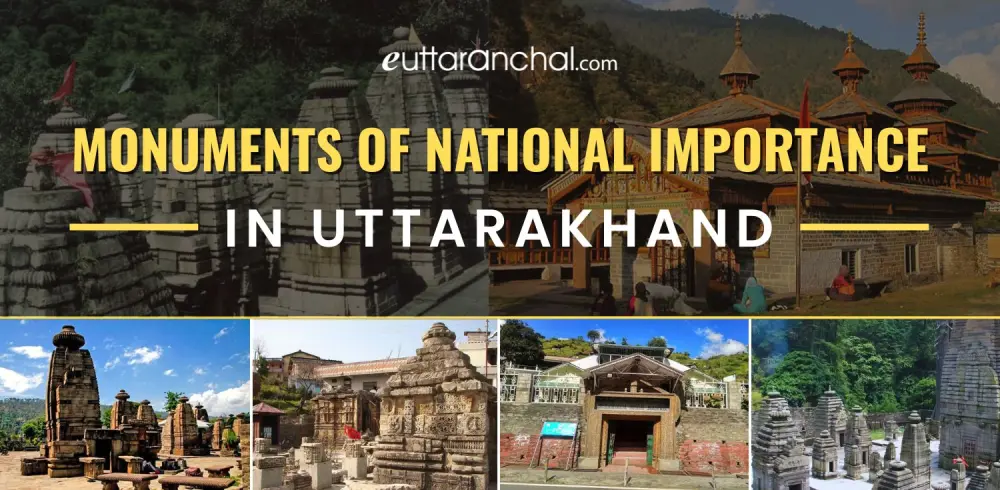
Declared and protected by the Archaeological Survey of India, these monuments represent the rich cultural, religious, and architectural legacy of the Himalayan region. From ancient temple complexes and rock inscriptions to forts and archaeological sites, the Monuments of National Importance in Uttarakhand showcase centuries of history shaped by dynasties, pilgrims, and local traditions. Exploring these heritage sites offers travelers a deeper understanding of the state’s glorious past beyond its natural beauty.
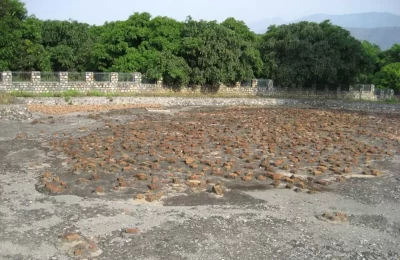
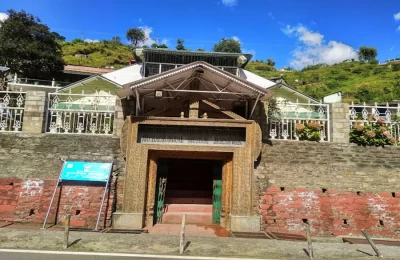
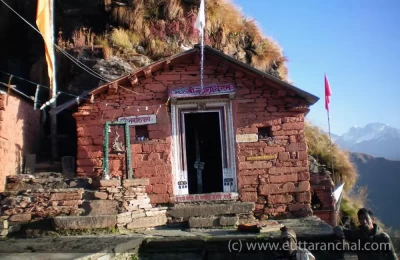
The list of Important National Monuments in Uttarakhand is not small but only local dwellers know about them. These remarkable monuments of National Importance in Uttarakhand are popular tourist destinations in Uttarakhand. They not only narrate the historical facts of the medieval era in which they were built but also depict the beauty of the ancient Pahari architecture.
There are so many other historical places in Uttarakhand that need proper care and worldwide promotion to give a boost to the tourism of Uttarakhand. Below is the list of Monuments of National Importance in Uttarakhand. List of National Important Monuments in Uttarakhand.
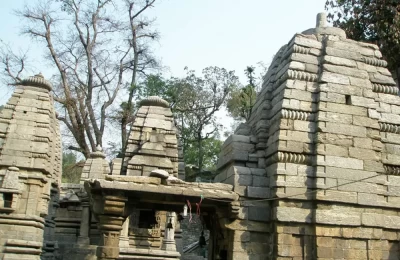
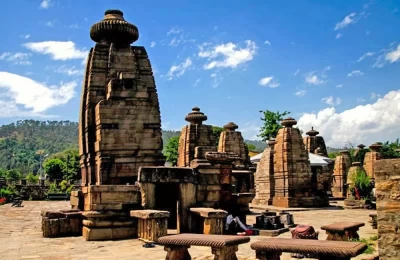
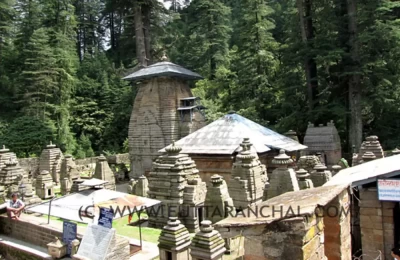
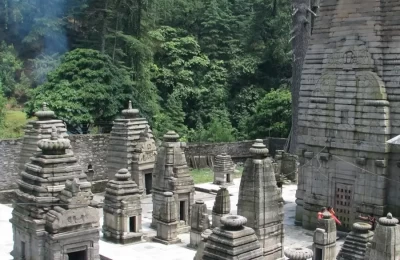
Many of these nationally protected monuments are associated with prominent pilgrimage routes, trade paths, and ancient settlements that once flourished in the Himalayas. Iconic sites such as Jageshwar Temple Complex, Baijnath Temple Complex, and the Katarmal Sun Temple stand as remarkable examples of early Himalayan stone architecture and spiritual heritage. These monuments not only attract historians and archaeologists but also pilgrims and tourists seeking to witness the timeless legacy of Dev Bhoomi.
| Sr. No. | Name of monument(s) | Location | District |
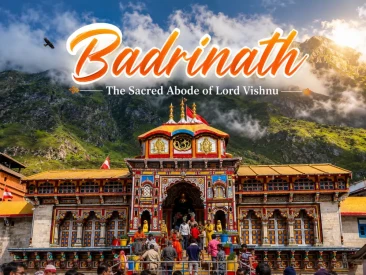
| N-UT-1 | Badrinath temple | Badrinath | Chamoli |
| N-UT-2 | Bandeo Temple | Dwarahat | Almora |
| N-UT-3 | Gujardeo Temple | Dwarahat | Almora |
| N-UT-4 | Kacheri group of temples | Dwarahat | Almora |
| N-UT-5 | Kutumbari Temple | Dwarahat | Almora |
| N-UT-6 | Maniyan group of temples | Dwarahat | Almora |
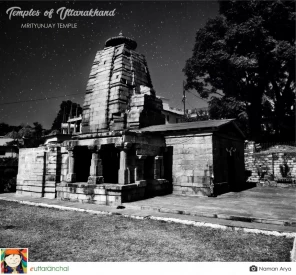
| N-UT-7 | Mritunjaya group of temples | Dwarahat | Almora |
| N-UT-8 | Ratan Deo Shrines | Dwarahat | Almora |
| N-UT-9 | Surya Temple | Katarmal | Almora |
| N-UT-10 | Dandeshwar Temple | Jageshwar | Almora |
| N-UT-11 | Chandi-ka-Temple | Jageshwar | Almora |
| N-UT-12 | Jageshwar Temple | Jageshwar | Almora |
| N-UT-13 | Kuber Temple | Jageshwar | Almora |
| N-UT-14 | Mritunjaya Temple | Jageshwar | Almora |
| N-UT-15 | Nanda Devi or Nau Durga | Jageshwar | Almora |
| N-UT-16 | Nava-grah shrine | Jageshwar | Almora |
| N-UT-17 | Pyramidal shrine | Jageshwar | Almora |
| N-UT-18 | Shrine dedicated to Surya | Jageshwar | Almora |
| N-UT-19 | Monuments | Sitoli | Almora |
| N-UT-20 | Grave of a European Soldier | Uprari | Almora |
| N-UT-21 | Temples of Baijnath: Group of ancient temples, consisting of main shrine of Siva and 17 subsidiary shrines | Baijnath | Bageshwar |
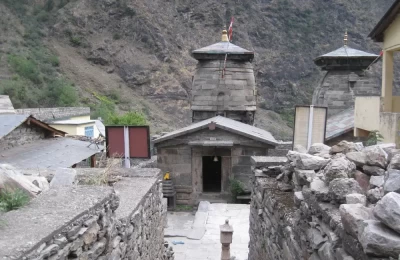
| N-UT-22 | Three temples of the Indo-Aryan shikara type known as Lakshmi Narayan, Rakshas Deval and Satya Narayan | Talli Hat | Bageshwar |
| N-UT-23 | Remains of sixteen temples | Adibadri | Chamoli |
| N-UT-24 | Fort with walls and ruins of dwelling house inside it and with flights of steps | Chandpur | Chamoli |
| N-UT-25 | Trident of iron with a shaft with one ancient and three modern inscriptions | Gopeshwar | Chamoli |
| N-UT-26 | Two Temples | Pandukeshwar | Chamoli |
| N-UT-27 | Rudranath temple | Gopeshwar | Chamoli |
| N-UT-28 | Rock Inscription in Survey Plot No. 89 | Village Mandal | Chamoli |
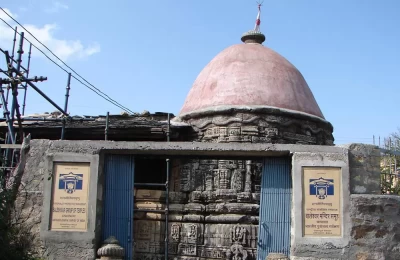
| N-UT-29 | Group of Baleshwar Temples | Champawat | Champawat |
| N-UT-30 | Kotwali Chabutra | Champawat | Champawat |
| N-UT-31 | Naula or covered spring attached to the Baleshwar Temples | Champawat | Champawat |
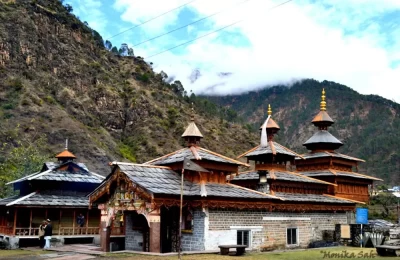
| N-UT-32 | Temple sacred to Mahasu | Hanol or Onol | Dehradun |
| N-UT-33 | Ancient site | Jagatram | Dehradun |
| N-UT-34 | The inscribed rock edicts of Asoka | Kalsi | Dehradun |
| N-UT-35 | Kalinga Monuments | Karanpur | Dehradun |
| N-UT-36 | Temple and images in its vicinity | Lakha Mandal | Dehradun |
| N-UT-37 | Old Cemetery | Roorkee | Haridwar |
| N-UT-38 | Old Cemetery | Shaikhpuri & Ganeshpur | Haridwar |
| N-UT-39 | Remains of ancient buildings locally identified with Vairatapattana | Dhikuli | Nainital |
| N-UT-40 | Old temple sacred to Sita | Sitabani | Nainital |
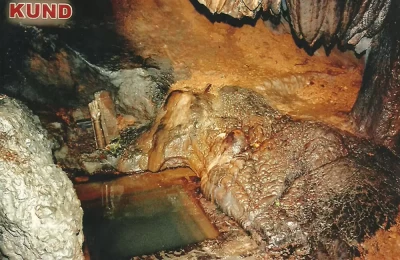
| N-UT-41 | Patal Bhubaneswar Caves | Patal Bhubaneswar | Pithoragarh |
| N-UT-42 | Remains of a few old temples and an inscribed masonry well | Gangoli Hat | Pithoragarh |
| N-UT-43 | Excavated Site at Dronasagar (only preliminary notification issued) | Mauza Ujjain Kashipur | Udhamsingh Nagar |
| N-UT-44 | Excavated site and Remains | Purola | Uttarkashi |
Data Source: Archaeological Survey of India
Visiting these monuments is like walking through living museums where every structure narrates stories of faith, art, and ancient engineering skills. Preservation efforts by authorities and growing awareness among travelers are helping safeguard these treasures for future generations. Heritage tourism centered around these monuments is steadily contributing to the cultural promotion and sustainable tourism of Uttarakhand.
Get answers to questions about your travel plan. Here you'll find helpful information about activities, travel tips, safety guidelines, and seasonal recommendations.
Q: What are Monuments of National Importance in Uttarakhand?
A: These are historically and culturally significant sites officially declared and protected by the Archaeological Survey of India (ASI), including ancient temples, forts, caves, inscriptions, and heritage structures.
Q: How many Monuments of National Importance are there in Uttarakhand?
A: Uttarakhand has more than 40 officially recognized monuments protected by the ASI, spread across districts like Almora, Chamoli, Dehradun, Champawat, Pithoragarh, and Uttarkashi.
Q: Which are the most famous ASI protected monuments in Uttarakhand?
A: Famous monuments include Jageshwar Temple Complex, Baijnath Temple Complex, Katarmal Sun Temple, Lakhamandal, Patal Bhuvaneshwar Caves, and Baleshwar Temple.
Q: Why are National monuments important for Uttarakhand’s heritage?
A: They reflect centuries of religious traditions, medieval architecture, and Himalayan craftsmanship, showcasing the region’s historical and cultural legacy.
Q: Are these monuments only religious sites?
A: No, besides temples there are archaeological sites, inscriptions, forts, cemeteries, and excavation sites that provide broader historical insights.
Q: Which district has the highest number of national monuments in Uttarakhand?
A: Almora district has one of the highest concentrations, especially around Dwarahat and Jageshwar, known for ancient temple groups and stone architecture.
Q: What makes the Katarmal Sun Temple unique?
A: It is one of the rare Sun temples in India dedicated to Surya and a remarkable example of early Himalayan temple architecture from the 9th century.
Q: Can tourists visit all Monuments of National Importance in Uttarakhand?
A: Most monuments are open to visitors, though some archaeological sites may have restricted access. Visitors should follow ASI guidelines.
Q: What is the role of the Archaeological Survey of India in Uttarakhand?
A: The ASI protects, conserves, and maintains nationally important monuments, ensuring preservation and preventing damage or unauthorized construction.
Q: Are these monuments connected to pilgrimage routes?
A: Yes, many are linked to ancient pilgrimage routes like the Char Dham Yatra and attract both devotees and heritage travelers.
Q: How do these monuments contribute to tourism in Uttarakhand?
A: They promote heritage tourism, cultural awareness, and support the local economy while preserving the state’s identity.
Q: Why should travelers explore historical monuments in Uttarakhand?
A: These sites reveal stories of ancient kingdoms, spiritual traditions, and architectural brilliance, adding cultural depth to any trip.