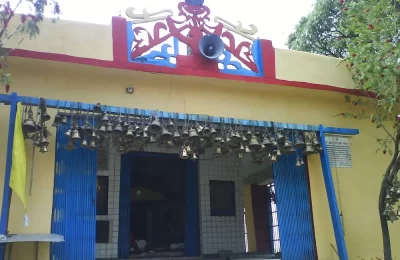
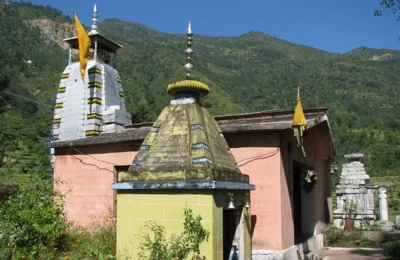
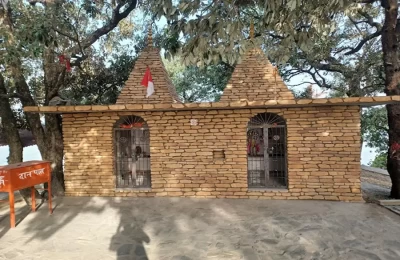
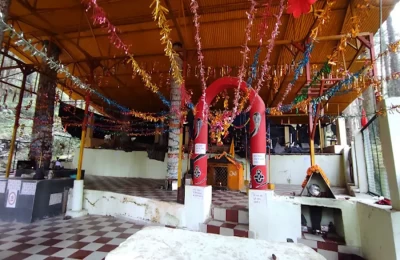
Nag Devta Temples in Uttarakhand
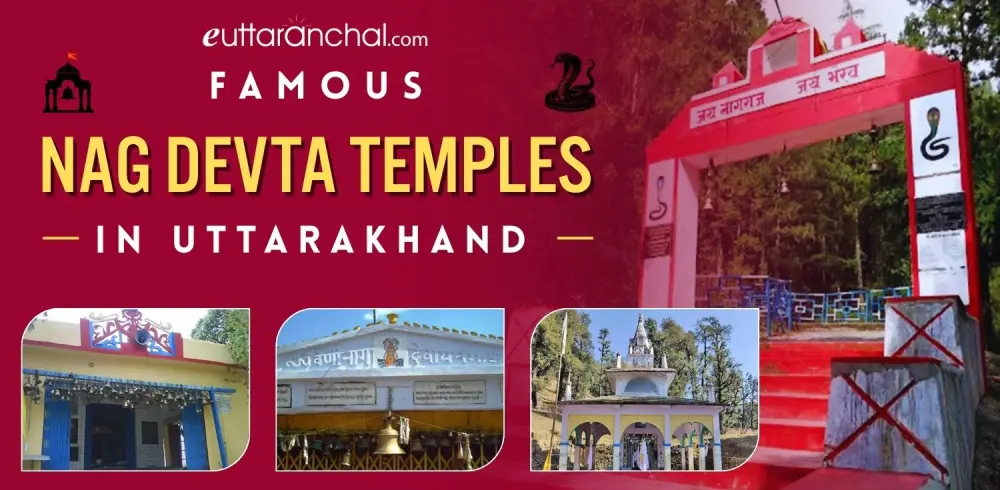
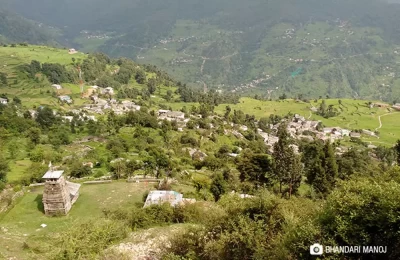
Nag Devta (Serpent God) worship holds a special place in the spiritual traditions of Uttarakhand, where local deities are revered as protectors of villages, forests, and farmlands. These sacred temples are often located on hilltops or deep within forests, reflecting the ancient bond between nature and faith in the Himalayan region.
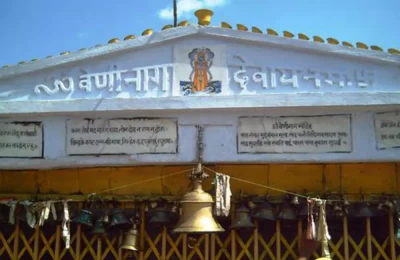
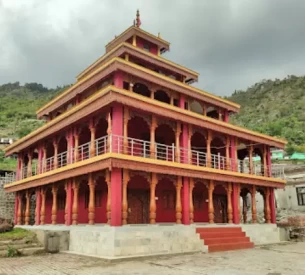
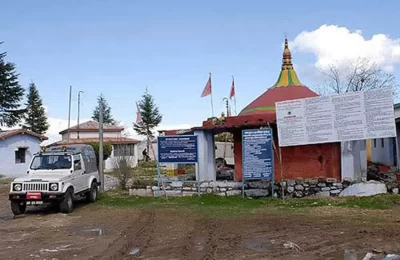
The parched souls often land in the ‘Abode of Gods’ to embark on a journey that leads to enlightenment, peace, and bliss. The hill state of Uttarakhand houses many temples dedicated to different gods and the prominent of them being, the Nag Devta Temples dedicated to the mythical 'Snake God'. Many devotees visit the far-flung places to pay obeisance at the famous Nag Devta Temples in Uttarakhand. These temples boast great architecture, history, mythology that you can study here.
In the Garhwal region, Nag Devta temples are associated with powerful local legends and are worshipped as guardians who protect devotees from natural calamities and misfortunes. The revered Danda Nagraja Temple is among the most prominent shrines dedicated to the serpent deity.
The Kumaon region also preserves strong traditions of serpent worship, where Nag temples are integral to local festivals and rituals. Temples like Karkotaka Temple attract devotees seeking protection, prosperity, and relief from planetary doshas according to local beliefs.
Get answers to questions about your travel plan. Here you'll find helpful information about activities, travel tips, safety guidelines, and seasonal recommendations.
Q: What is the significance of Nag Devta temples in Uttarakhand?
A: Nag Devta temples in Uttarakhand are spiritually important as the Serpent God is worshipped as a protector of villages, families, and nature. These temples reflect the strong bond between faith, tradition, and the Himalayan culture of Devbhoomi Uttarakhand.
Q: Which is the most famous Nag Devta temple in Uttarakhand?
A: One of the most famous Nag Devta temples in Uttarakhand is Danda Nagraja Temple in the Garhwal region. Another important shrine is Karkotaka Temple near Nainital. Both temples are associated with powerful local legends and spiritual beliefs.
Q: Where is Danda Nagraja Temple located?
A: Danda Nagraja Temple is located in Pauri Garhwal district of Uttarakhand on a hilltop. Devotees visit this temple to seek protection, blessings, and relief from personal difficulties.
Q: Why is Nag Dev worship important in Uttarakhand?
A: Nag Devta is believed to protect people from snake bites, natural disasters, and negative planetary effects. In many villages, Nag Devta is considered the guardian deity and special rituals are performed during festivals.
Q: What is the story behind Karkotaka Temple?
A: Karkotaka Temple is associated with the mythical serpent Karkotaka mentioned in Hindu scriptures. It is believed to protect devotees from snake-related fears and Rahu-Ketu doshas.
Q: Are Nag Devta temples located in forests and hills?
A: Yes, many Nag Devta temples in Uttarakhand are located on hilltops or inside forests, reflecting the deep connection between serpent worship and nature in the Himalayan region.
Q: What is the best time to visit Nag Devta temples in Uttarakhand?
A: The best time to visit is from March to June and September to November when the weather is pleasant. Special rituals are held during Nag Panchami.
Q: Are Nag Devta temples included in Uttarakhand tour packages?
A: Yes, many religious Uttarakhand tour packages include visits to famous Nag Devta temples in both Garhwal and Kumaon regions.
Q: What rituals are performed at Nag Devta temples?
A: Devotees offer milk, flowers, and prayers. Special rituals take place during Nag Panchami and local festivals for protection, health, and peace.
Q: Why should travelers visit Nag Devta temples in Uttarakhand?
A: Visiting these temples offers a peaceful spiritual experience beyond the Char Dham sites and showcases the rich local traditions of Devbhoomi Uttarakhand.