Hemkund Sahib Weather

Today's weather of Hemkund Sahib is expected to be Patchy rain nearby with a maximum temperature of 18° C and a minimum temperature of 9° C. The average humidity in Hemkund Sahib would hover around 77%. There is 59% probability of rain in Hemkund Sahib today and 1.75mm rainfall may be recorded in the area.
The September month in Hemkund Sahib is generally pleasant and clear and you would feel cold throughout the day. Light Woolen are recommended in September. Hemkund experiences moderately cold but pleasant weather this month. Most days are sunny with clear skies, and temperatures are comfortable, making it one of the best times to visit. The natural beauty of the area is at its peak during this period.
Today's Hourly Weather forecast for Hemkund Sahib


Hemkund Sahib Weather forecast for next 2 days

Overview of Hemkund Sahib Weather
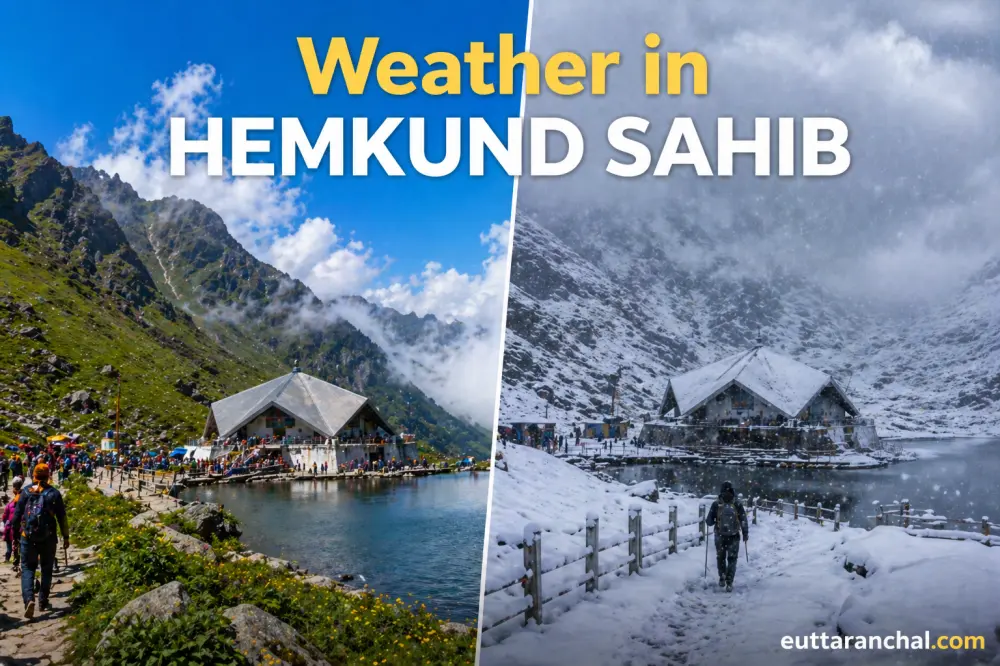
Hemkund Sahib is one of the highest and most revered Sikh pilgrimage destinations in India, located in Chamoli district of Uttarakhand at an altitude of about 4,632 meters. Surrounded by snow-covered Himalayan peaks and a glacial lake, Hemkund Sahib offers a deeply spiritual and scenic experience.
Due to its high altitude, the weather at Hemkund Sahib remains cold throughout the year. Travelers often search for Hemkund Sahib weather today, snowfall season, trekking conditions, opening dates, and best time to visit before planning the pilgrimage.
Hemkund Sahib Weather Guide
Winter (October to April)
- Temperature: -10°C to 5°C (daytime), -15°C to -5°C (nighttime)
- Weather: Extremely cold and heavily snow-covered. The region remains inaccessible during this period.
- Activities: Hemkund Sahib remains closed in winter due to severe snowfall and blocked trekking routes.
Spring (May to June)
- Temperature: 5°C to 15°C (daytime), -5°C to 5°C (nighttime)
- Weather: Snow begins to melt and weather gradually becomes suitable for travel, though nights remain cold.
- Activities: Pilgrimage season begins. Visitors can trek to the Gurudwara and enjoy alpine scenery.
Monsoon (July to September)
- Temperature: 10°C to 20°C (daytime), 5°C to 10°C (nighttime)
- Weather: Cool with frequent rainfall, especially in July and August. Trails may become slippery.
- Activities: One of the most popular seasons for pilgrims. Nearby Valley of Flowers blooms beautifully during this time.
Autumn (September to October)
- Temperature: 5°C to 15°C (daytime), -5°C to 5°C (nighttime)
- Weather: Clear skies, cool temperatures, and excellent mountain visibility.
- Activities: Final weeks before winter closure. Ideal for peaceful darshan, trekking, and photography.
Best Time to Visit Hemkund Sahib
The best time to visit Hemkund Sahib is from June to September, when trekking routes are open and weather is comparatively favorable. Autumn also offers clear skies and stable conditions before seasonal closure.
Note: Hemkund Sahib remains closed from October to April due to heavy snowfall. Even during open months, nights can be very cold.
Hemkund Sahib Weather Frequently Asked Questions
Pilgrims often check Hemkund Sahib weather before visiting for trekking readiness, snowfall updates, and opening season details.
Here are some commonly asked questions to help you plan your Hemkund Sahib Yatra better.
Q: What is the weather like at Hemkund Sahib throughout the year?
A: Hemkund Sahib remains cold year-round with snowy winters, cool summers, rainy monsoon, and chilly autumn weather.
Q: What is the best time to visit Hemkund Sahib?
A: June to September is considered the best season when routes remain open.
Q: When does Hemkund Sahib open every year?
A: Usually in late spring or early summer, depending on snow clearance and official announcements.
Q: When does Hemkund Sahib close for winter?
A: Usually in October when snowfall begins increasing.
Q: Does Hemkund Sahib receive snowfall?
A: Yes, heavy snowfall occurs from autumn to spring.
Q: Which months are best for snowfall near Hemkund Sahib?
A: November to March generally see the heaviest snowfall.
Q: Is July a good time to visit Hemkund Sahib?
A: Yes, but rainfall may occur. It is also a popular time to combine the trip with Valley of Flowers.
Q: Is monsoon safe for Hemkund Sahib travel?
A: Travel is possible, but landslides and slippery trails may cause delays.
Q: How cold does Hemkund Sahib get at night?
A: Nights can fall below freezing even during open season.
Q: What clothes should I carry for Hemkund Sahib?
A: Carry heavy woollens, thermal wear, gloves, raincoat, and trekking shoes.
Q: Is Hemkund Sahib trek difficult?
A: Yes, it is a steep high-altitude trek and requires fitness and acclimatization.
Q: Can beginners visit Hemkund Sahib?
A: Yes, with preparation, slow pace, and proper rest.
Q: Is September good for Hemkund Sahib?
A: Yes, September offers clearer skies after heavy monsoon rains.
Q: Can senior citizens visit Hemkund Sahib?
A: Many do, but health condition and altitude tolerance should be considered.
Q: Is Hemkund Sahib crowded?
A: It can be crowded during peak pilgrimage months of June to August.
Q: What is the annual temperature range in Hemkund Sahib?
A: Temperatures usually range from around -15°C to 20°C.
Q: Is Hemkund Sahib good for photography?
A: Yes, it is excellent for lake, mountain, and alpine landscape photography.
Q: Can I combine Hemkund Sahib with Valley of Flowers?
A: Yes, many travelers visit both in the same trip during season.
Q: Is oxygen low at Hemkund Sahib?
A: Yes, due to high altitude some travelers may feel breathlessness.