Wildlife Photography Tips for Corbett National Park
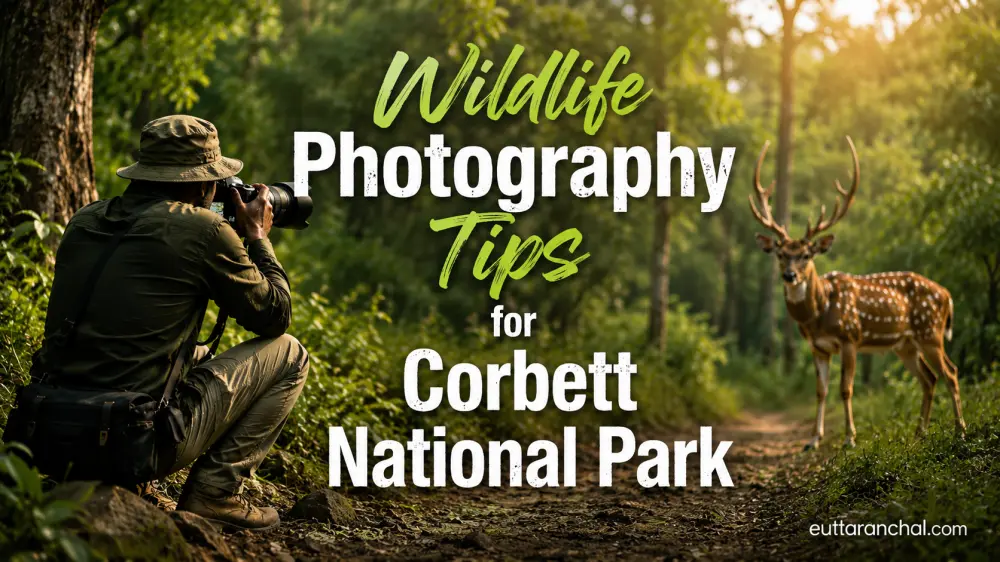
Jim Corbett National Park is one of India's leading wildlife photography destinations, attracting professional photographers, birdwatchers and nature enthusiasts throughout the safari season. Its diverse landscapes, riverine forests, grasslands and rich wildlife provide excellent opportunities to photograph mammals, birds and reptiles in their natural habitat.
Successful wildlife photography in Corbett depends on patience, field awareness and understanding animal behaviour. Choosing the right safari zone, visiting during favourable seasons and following park regulations greatly improve the chances of capturing memorable wildlife photographs.
Why Jim Corbett National Park is Popular for Wildlife Photography
Jim Corbett National Park supports a wide variety of wildlife habitats, including sal forests, riverbanks, grasslands and wetlands. These diverse ecosystems make it possible to photograph Bengal tigers, Asian elephants, leopards, deer, crocodiles, otters and hundreds of resident and migratory bird species throughout the safari season.
- Excellent tiger habitat
- Rich bird diversity
- Open grasslands suitable for wildlife sightings
- River landscapes ideal for bird and reptile photography
- Morning and evening safari sessions with favourable lighting
Popular Wildlife Subjects for Photography
Besides tigers, photographers frequently capture Asian elephants, spotted deer, sambar, wild boar, crocodiles, kingfishers, hornbills, owls, crested serpent eagles, fishing eagles and numerous water birds. Riverbanks around the Ramganga River and open grasslands often provide excellent opportunities for wildlife photography.
How to take candid pictures in Corbett National Park
If you want your pictures to be life-like then it’s necessary to understand the behavior of animals and birds in their natural habitat. Under any circumstances, the animals shouldn’t be disturbed and chased for taking pictures. So if you are willing to take natural photographs then here are few useful tips for wildlife photography in Corbett National Park.
- Choose early morning or evening safari sessions for soft natural light.
- Keep your camera ready before wildlife appears.
- Avoid sudden movements inside the safari vehicle.
- Never use flash while photographing wildlife.
- Use continuous autofocus for moving animals and birds.
- Maintain silence to avoid disturbing wildlife.
- Respect the driver's instructions and park regulations.
- Keep a fast shutter speed for birds and moving animals.
- Carry extra batteries and memory cards.
- Be patient rather than chasing wildlife for photographs.
Recommended Camera Gear for Corbett Safari
- Telephoto lens (200–600 mm)
- Extra camera batteries
- High-speed memory cards
- Lens cleaning cloth
- Bean bag for vehicle support
- Rain cover during monsoon months
- Binoculars for locating wildlife
Best Time and Safari Zones for Wildlife Photography
The best period for wildlife photography is from November to June, when most safari zones remain open. During the summer months of April to June, animals frequently visit water sources, improving wildlife sighting opportunities.
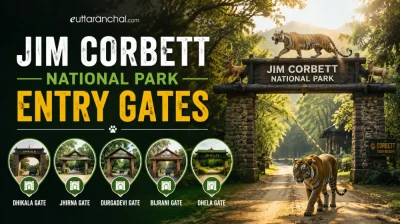
Dhikala is known for grassland landscapes and elephant sightings, while Bijrani offers good chances of photographing tigers and deer. The Ramganga River attracts numerous resident and migratory birds during winter, making it one of the preferred locations for bird photography.