Safari Zones in Jim Corbett National Park
Safari Zones of Jim Corbett National Park
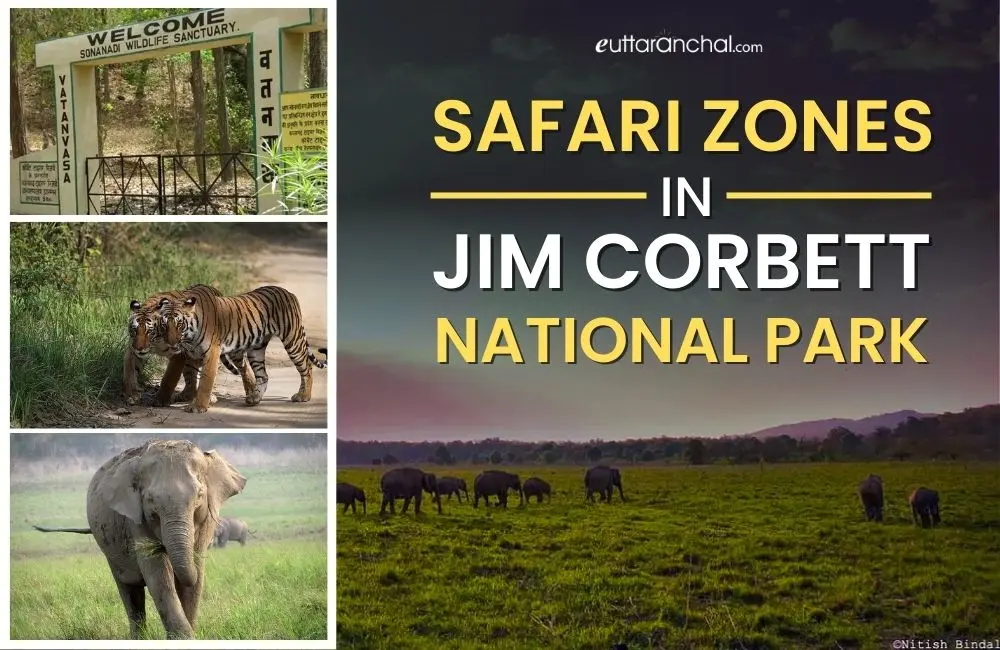
Jim Corbett National Park is divided into multiple tourism zones to regulate visitor movement and wildlife tourism. Each safari zone offers a different landscape, habitat and wildlife viewing experience. Entry into every zone requires a valid safari permit and visitors must be accompanied by an authorised guide or driver as per forest department regulations.
Dhikala Safari Zone
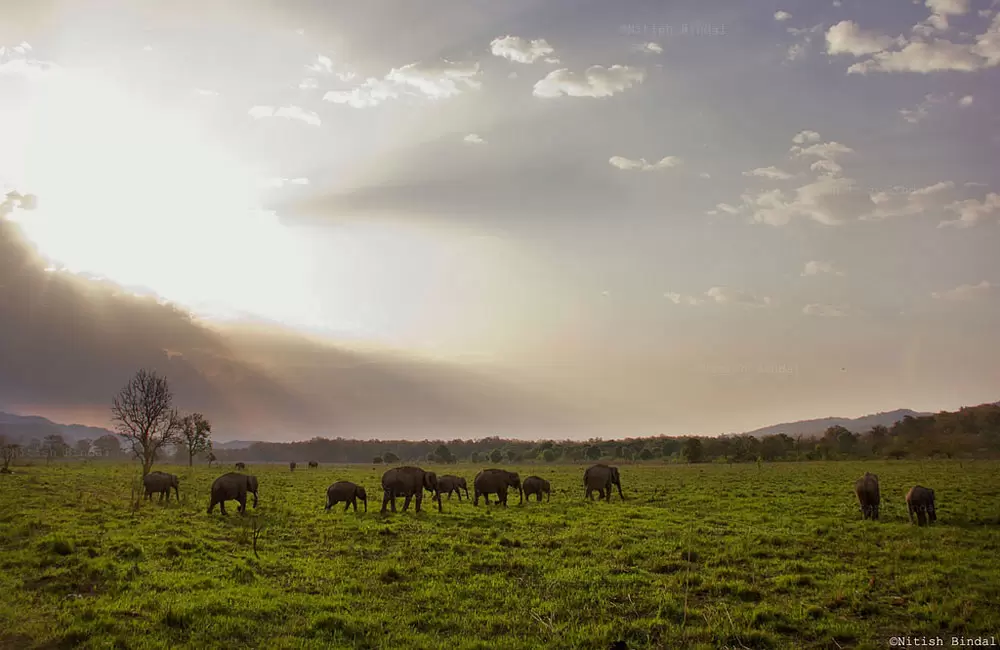
Dhikala is the largest and most popular safari zone in Jim Corbett National Park. Located deep inside the reserve, it is known for its vast grasslands, the Ramganga Reservoir and excellent opportunities to spot elephants, deer, crocodiles and, with some luck, the Bengal tiger. The Dhikala Chaur is one of the most important grassland habitats within the park.
Jhirna Safari Zone
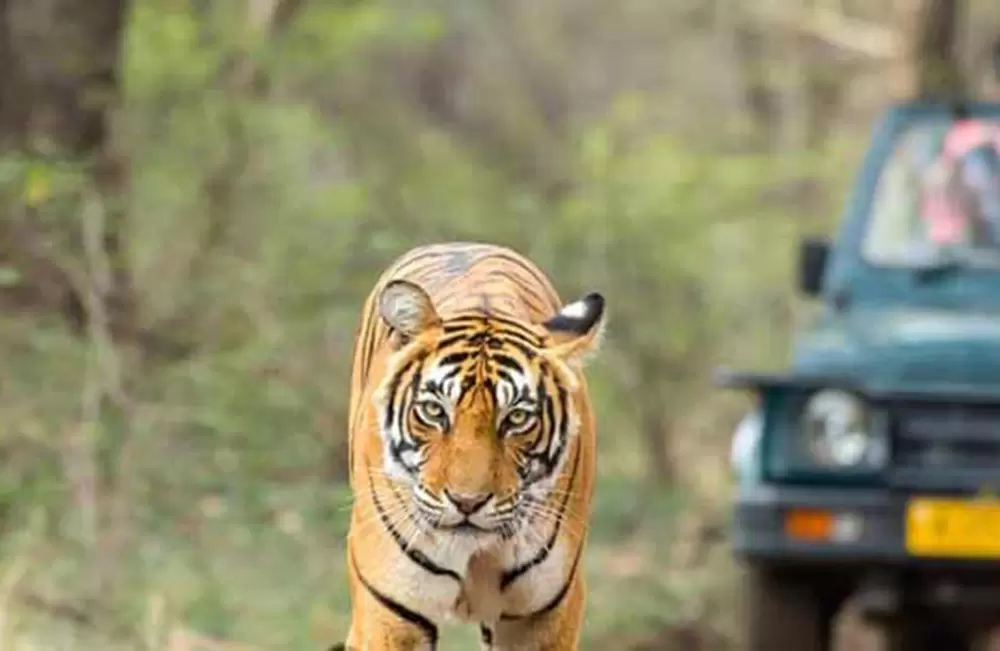
Jhirna Safari Zone is located in the southern part of Jim Corbett National Park and remains open to visitors for most of the year, subject to weather conditions and forest department notifications. The zone is known for its mixed forests, grasslands and regular sightings of deer, wild elephants, sloth bears and a variety of bird species.
Bijrani Safari Zone
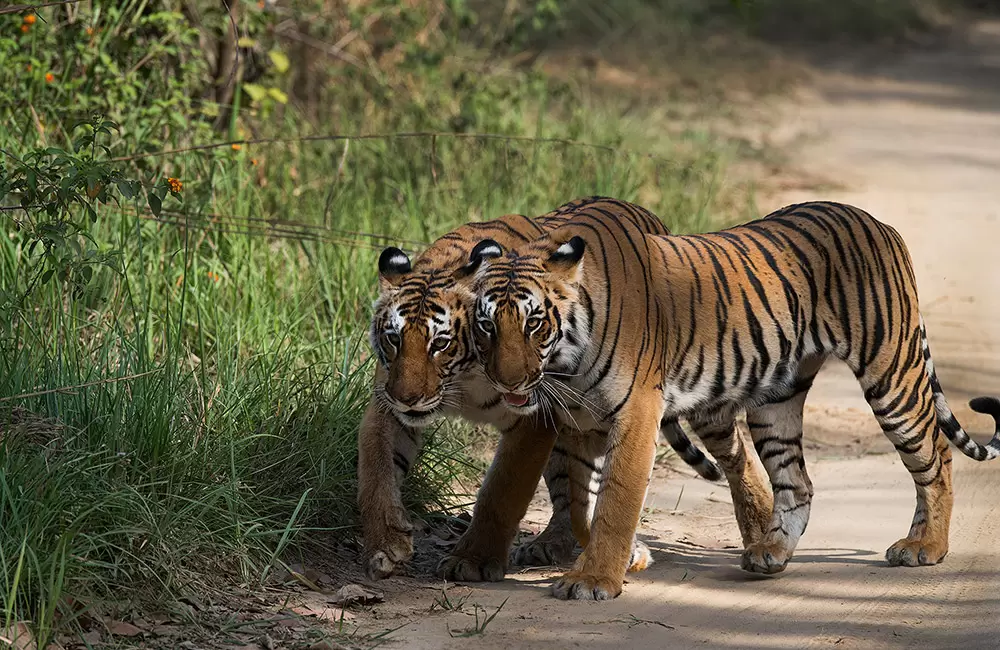
Bijrani Safari Zone is one of the most sought-after zones in Corbett because of its rich forest landscape and healthy wildlife population. Located near the Amdanda Gate, the zone is well known for sightings of tigers, elephants, deer and numerous bird species. Its combination of grasslands and dense forest makes it one of the best safari areas in the park.
Durga Devi Safari Zone
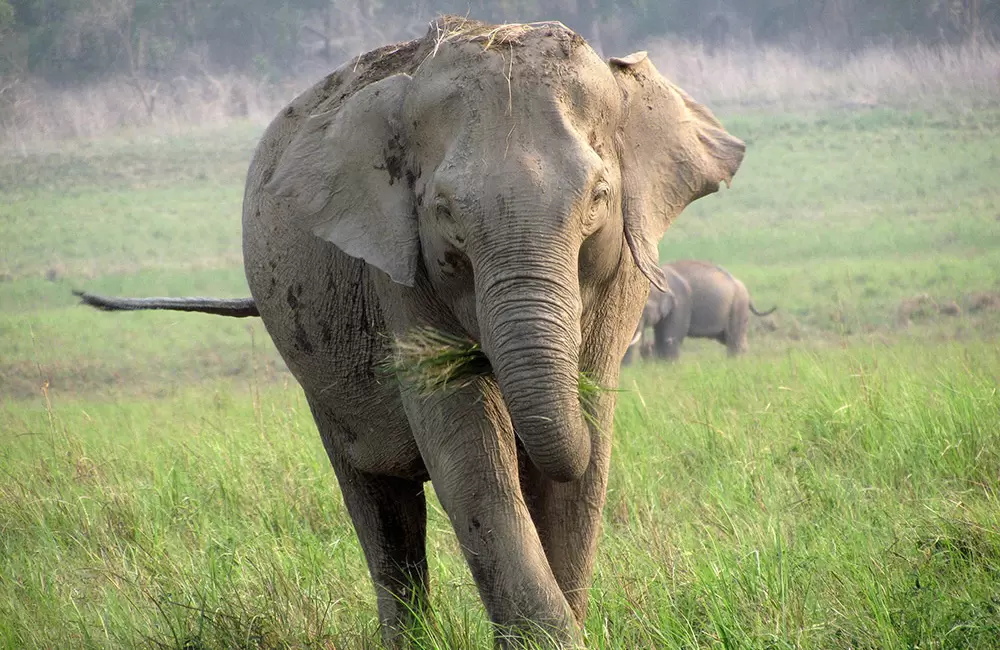
Durga Devi Safari Zone is located in the north-eastern part of Jim Corbett National Park and is known for its hilly terrain, river valleys and dense forests. The zone is particularly popular among birdwatchers and nature enthusiasts. Visitors may also spot elephants, leopards, deer and other Himalayan wildlife depending on the season and safari route.
Sonanadi Safari Zone or North Zone
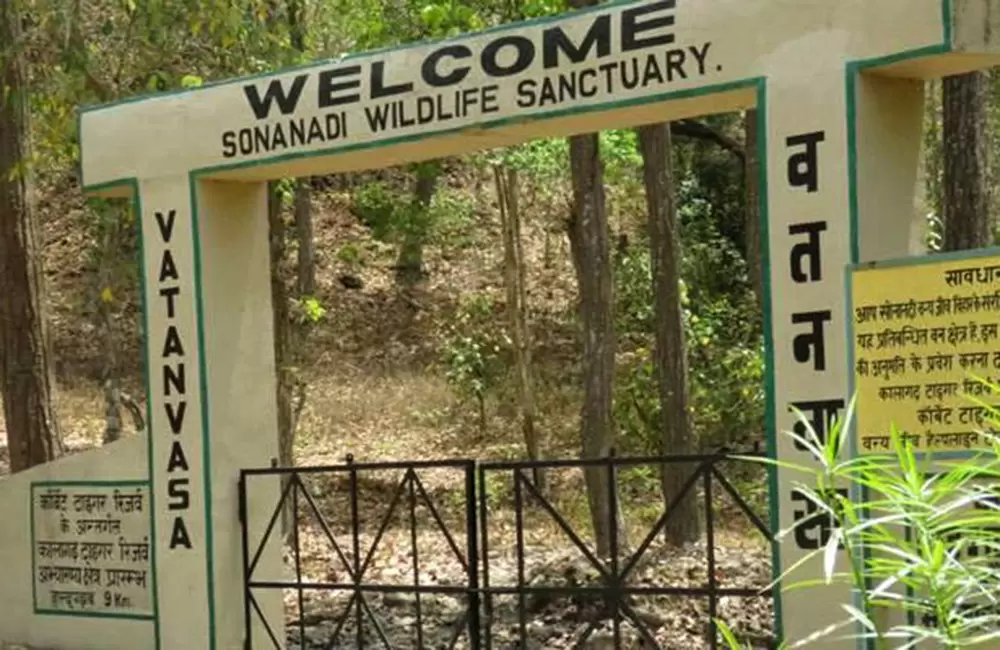
Sonanadi Safari Zone forms part of the Sonanadi Wildlife Sanctuary, which lies within the larger Corbett Tiger Reserve. The zone is known for its peaceful forest environment, rich biodiversity and excellent birdwatching opportunities. Wildlife sightings may include elephants, deer, leopards, wild boar and numerous resident and migratory bird species.
Which Safari Zone is Best in Corbett?
Each safari zone offers a different experience depending on the season and wildlife movement. Dhikala is known for its vast grasslands and diverse wildlife, Bijrani is popular for tiger sightings, Jhirna remains open for most of the year, Durga Devi is preferred by birdwatchers, while Sonanadi offers a quieter safari experience. Visitors should choose a zone based on availability, travel season and personal interests rather than expecting guaranteed tiger sightings.
Important Safari Guidelines
- Carry a valid government-issued photo ID.
- Entry is permitted only with a confirmed safari permit.
- Always follow the instructions of the guide and forest staff.
- Do not feed or disturb wildlife.
- Avoid loud noises during the safari.
- Photography is allowed, but drones are prohibited without permission.