Sapta Badri
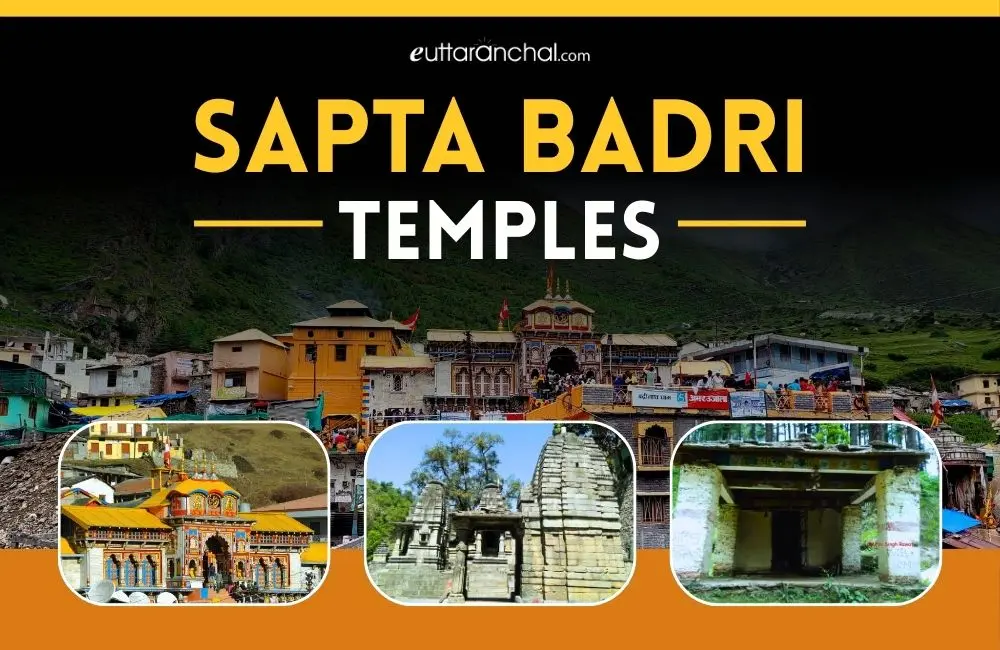
Sapta Badri is a sacred group of seven temples dedicated to Lord Vishnu, located across the Garhwal region of Uttarakhand. These temples are spread along the Alaknanda Valley between Nandprayag and the Badrinath region and together form an important pilgrimage circuit for devotees of Lord Vishnu. Each temple has its own religious significance and is associated with different legends from Hindu mythology.
Badrinath Temple, also known as Badri Vishal, is the principal shrine among the Sapta Badri temples. The remaining six temples are Adi Badri, Vriddha Badri, Bhavishya Badri, Yogadhyan Badri, Dhyan Badri and Ardha Badri, each representing a unique aspect of Lord Vishnu and an important chapter in the religious traditions of Uttarakhand.
Temples included in Sapta Badri yatra circuit:
- The Badrinath temple
- Adi Badri
- Vridha Badri
- Dhyan Badri
- Ardha Badri
- Bhavishya Badri
- Yogadhayan Badri
The Panch Badri circuit generally includes five of these Vishnu temples, while Sapta Badri expands the pilgrimage by including Dhyan Badri and Ardha Badri. In some traditional beliefs, the Narsingh Temple at Joshimath is also associated with the Badri tradition because of its close connection with the legend of Bhavishya Badri.
1. Badrinath Temple (Badri Vishal)
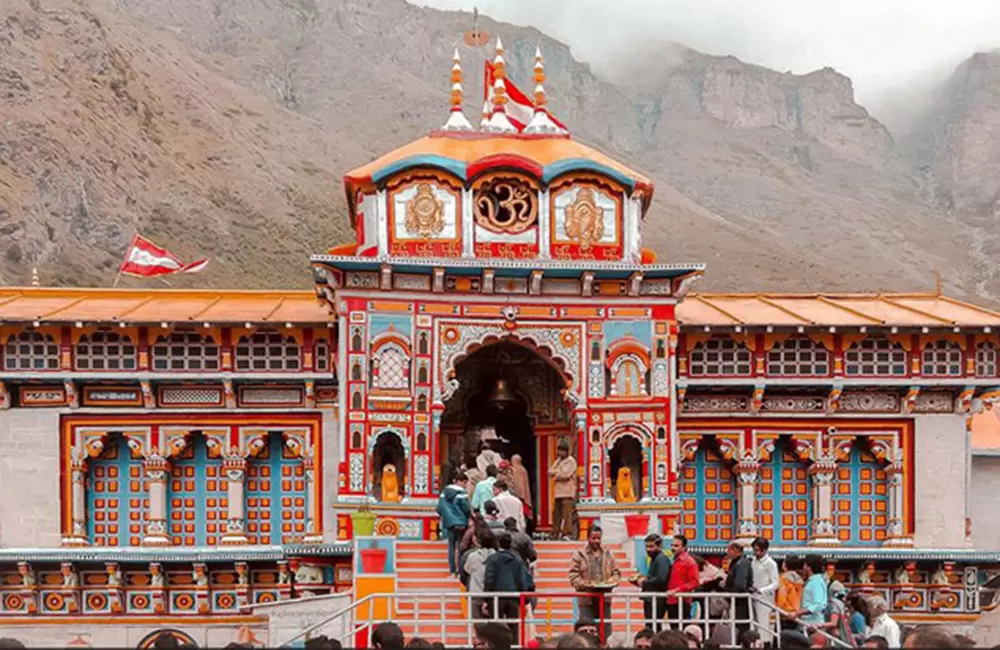
Badrinath Temple is the most important shrine of the Sapta Badri circuit and one of the holiest temples dedicated to Lord Vishnu. According to Hindu tradition, Lord Vishnu performed penance here in the form of Nara and Narayana, making Badrikashram one of the most sacred pilgrimage sites in the Himalayas.
2. Adi Badri
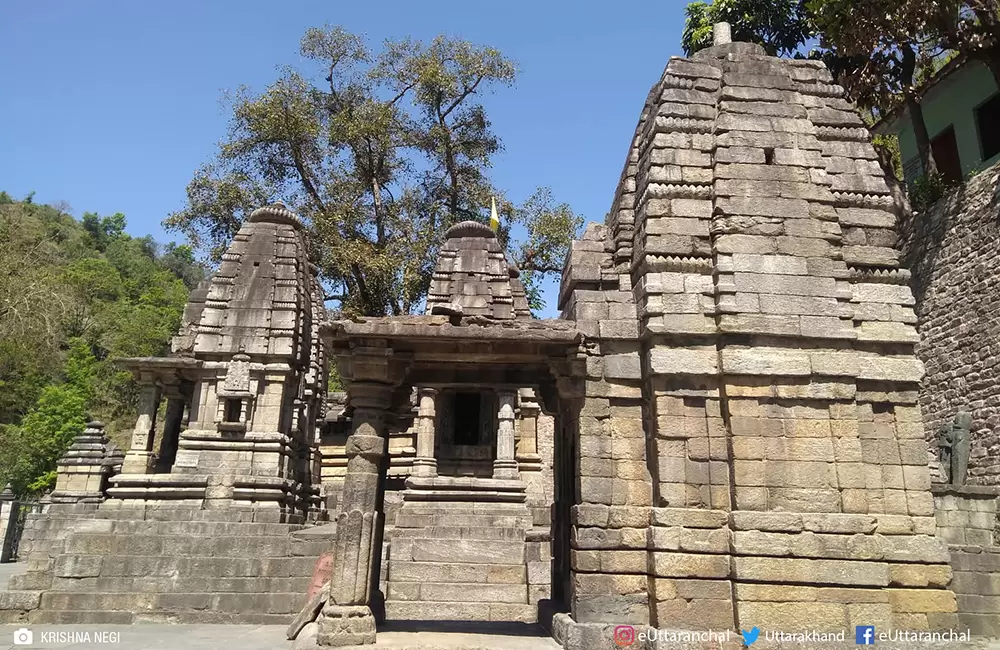
Adi Badri is an ancient group of sixteen temples dedicated to Lord Vishnu and is believed to be one of the oldest shrines in the Sapta Badri circuit. Located near Chandpur Garhi, the temple complex reflects the early temple architecture of the Katyuri period.
3. Vriddha Badri
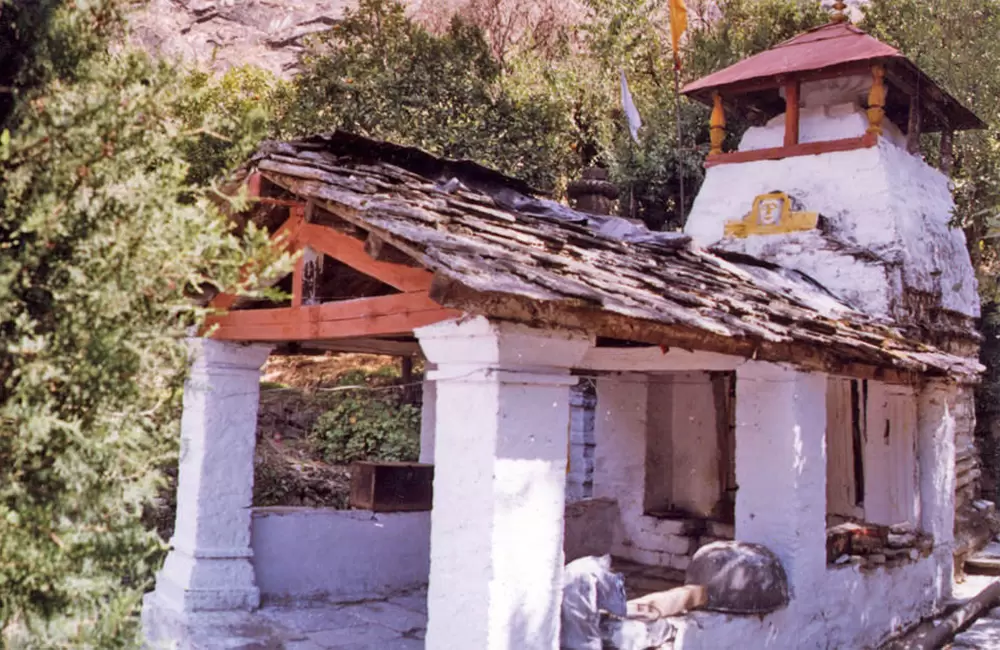
Vriddha Badri is located at Animath village near Joshimath. According to legend, Lord Vishnu appeared before Sage Narada here in the form of an elderly man, which is why the deity is worshipped as Vriddha (old) Badri.
4. Bhavishya Badri
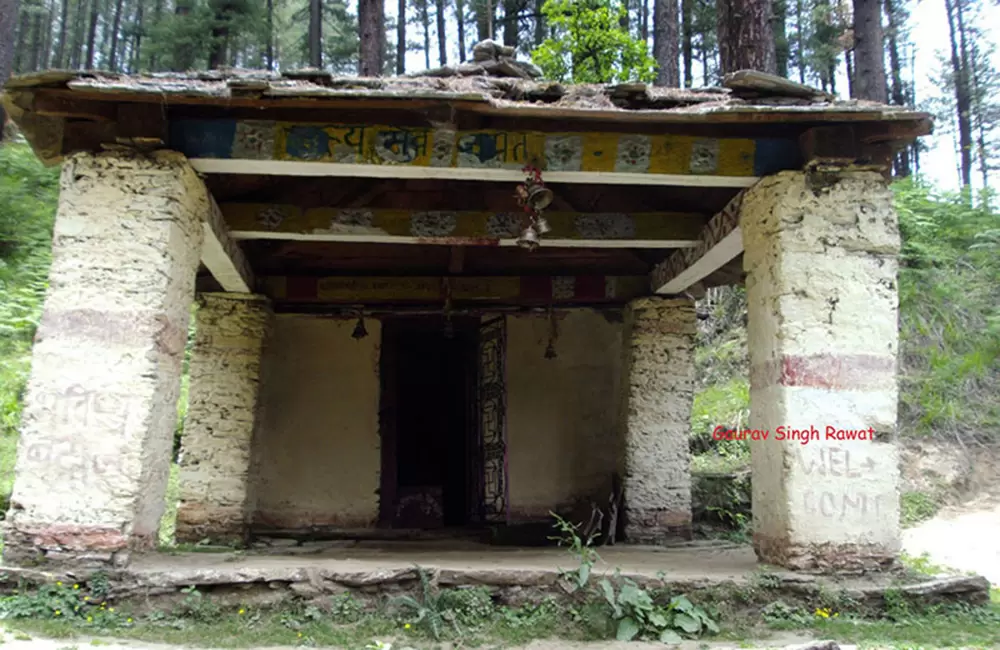
Bhavishya Badri is located in a village called Subhain at a distance of 17 kilometres from Joshimath, and can be reached by trekking. According to the legend of Bhavishya Badri, when evil transcends the world, the mountains of Nara and Narayana would block up the route to Badrinath and the sacred shrine would become inaccessible. Then, Badrinath will appear at the Bhavishya Badri temple and be worshipped here, instead of the Badrinath shrine.
5. Yogadhyan Badri
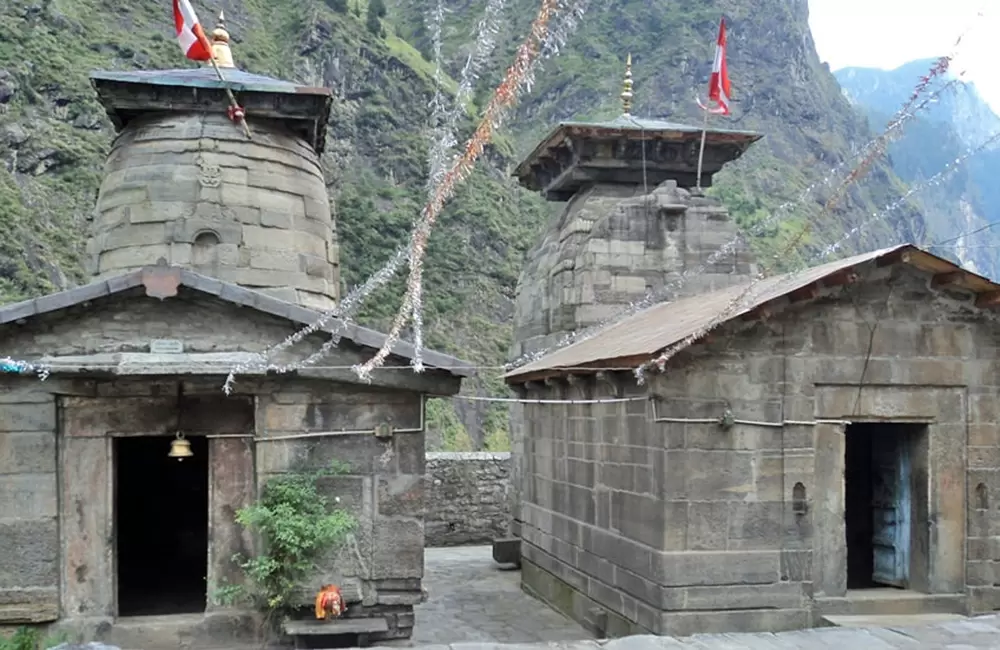
Yogadhyan Badri is situated at Pandukeshwar on the Badrinath route. According to tradition, King Pandu, father of the Pandavas, meditated here and attained salvation. The temple is therefore closely associated with the Mahabharata.
6. Dhyan Badri
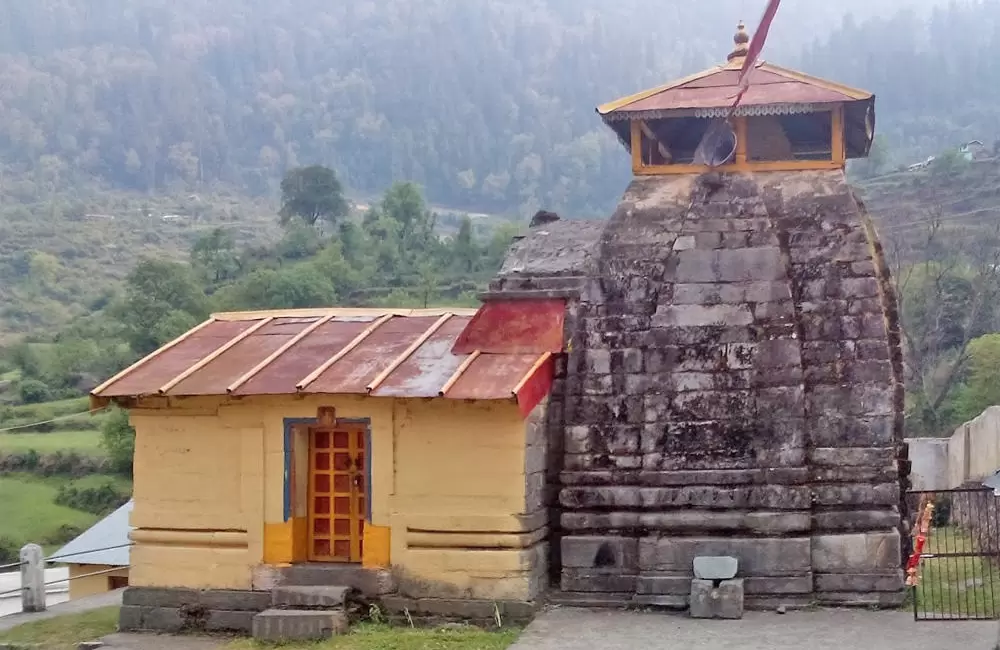
Dhyan Badri is located in the Urgam Valley near Kalpeshwar and is dedicated to Lord Vishnu in a meditative form. Surrounded by peaceful Himalayan villages, the temple is an important part of the Sapta Badri pilgrimage circuit.
7. Ardh Badri
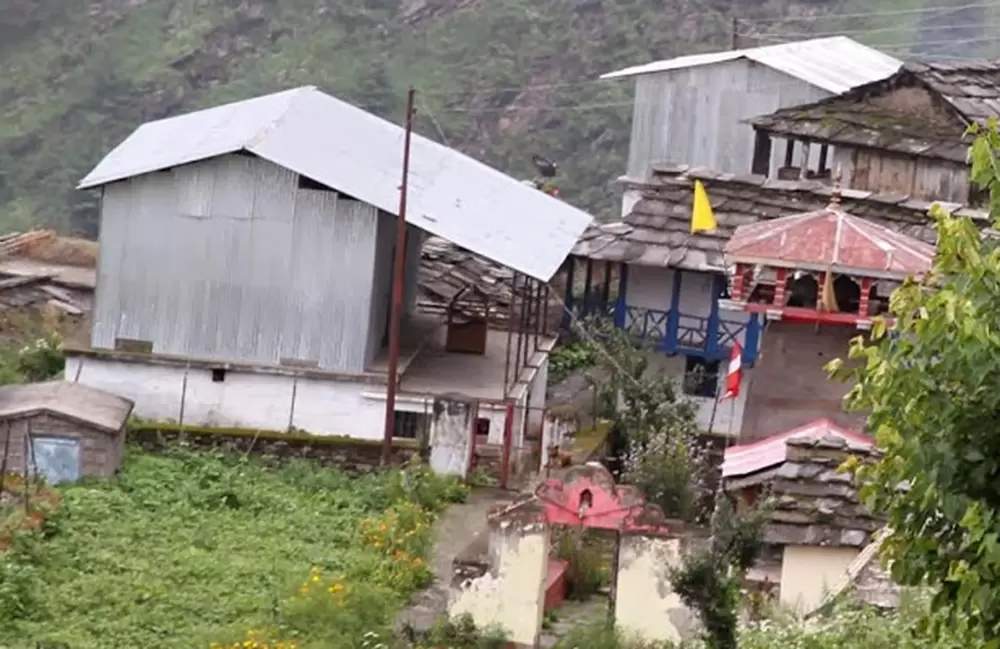
Ardha Badri is situated near Helisera village in Chamoli district. According to local belief, the temple derives its name from the relatively small idol of Lord Vishnu installed here. The shrine can be reached by a short trek from the nearest motorable road.
Narsingh Badri
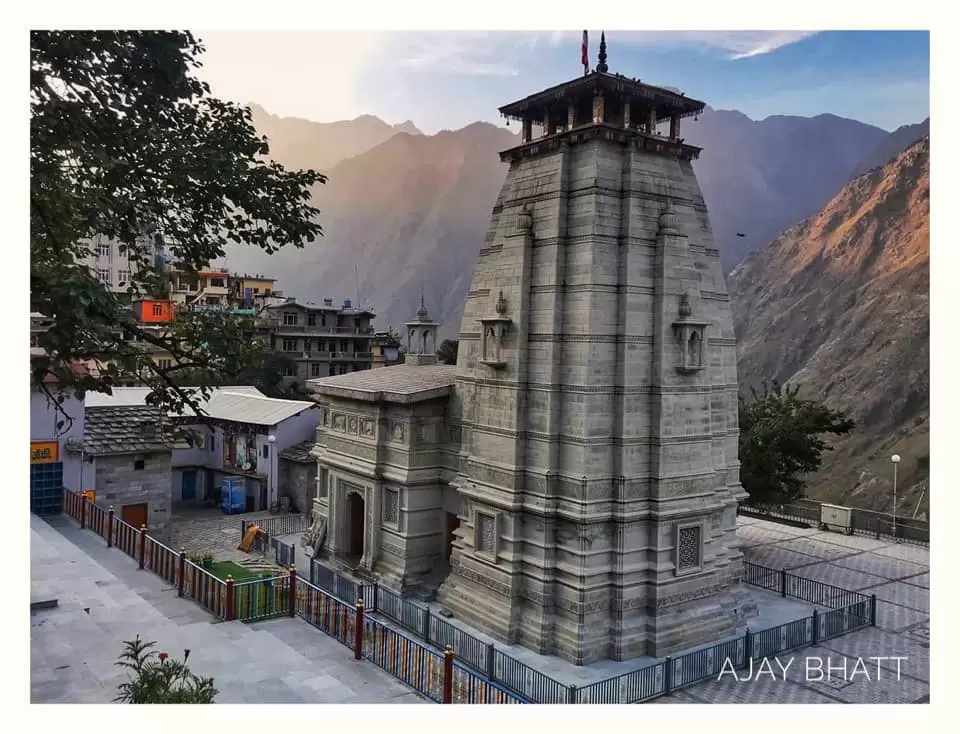
Narsingh Temple at Joshimath is closely associated with the traditions of Sapta Badri because of its connection with the prophecy of Bhavishya Badri. Although it is not officially counted among the seven temples, many devotees include it in their pilgrimage.
Sapta Badri Tour - Suggested Travel Itinerary
Day 1: Haridwar to Joshimath and visit Narsingh Badri Temple.
Day 2: Joshimath to Pandukeshwar on Badrinath Road and Visit Yog Badri. Travel further to Badrinath Dham and visit Badrinath Temple.
Day 3: Badrinath to Joshimath to Saldhar to Bhavishya Badri (6 kms trek) and back to Joshimath.
Day 4: Joshimath - Vriddha Badri (Animath village) to Urgam Village and visit Dhyan Badri
Day 5: Urgam to Karnaprayag and visit Adi Badri. Return to Haridwar
Sapta Badri Temples Video
How to Reach Sapta Badri Temples
Badrinath, the principal temple of the Sapta Badri circuit, is well connected by road from Rishikesh and Haridwar. However, the temple remains closed during winter because of heavy snowfall, with opening and closing dates decided annually by the temple authorities.
The remaining Sapta Badri temples are located across different parts of Chamoli district. While several temples are accessible by road, others require short treks from the nearest motorable point.
The nearest airport is Jolly Grant Airport, Dehradun, while Rishikesh serves as the nearest major railway station. From there, taxis and buses are available towards the Badrinath route.
Motorable road distance to the seven shrines of Badri from Rishikesh are:
- Rishikesh to Badrinath - 299 kms
- Rishikesh to Yogdhyan Badri - 277 kms
- Rishikesh to Adi Badri - 200 kms
- Rishikesh to Dhyan Badri - 299 kms
- Rishikesh to Bhavishya Badri - 280 kms
- Joshimath to Vridha Badri - 7 kms