Flora and Fauna in Valley of Flowers
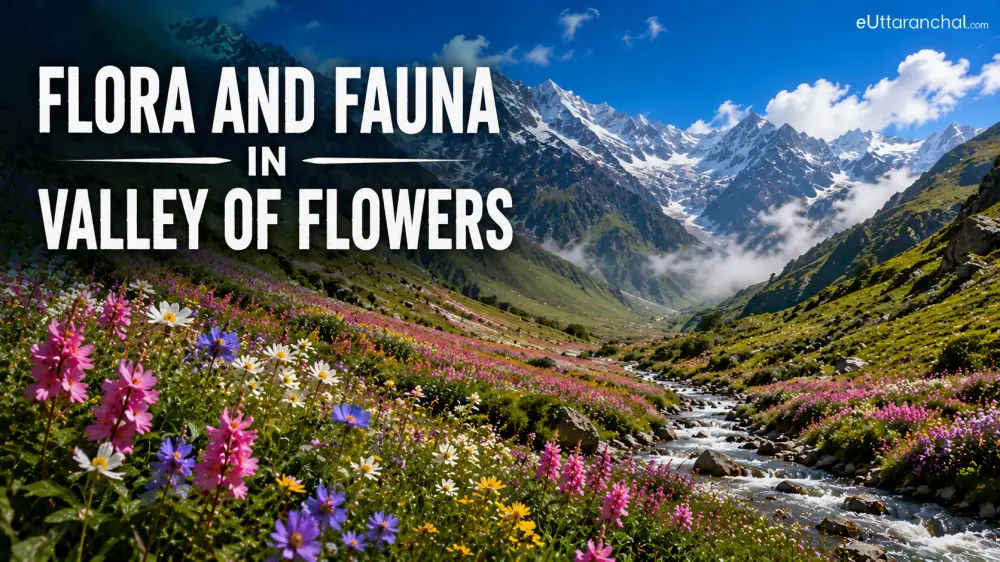
The Valley of Flowers National Park, a UNESCO World Heritage Site, is one of the richest alpine ecosystems in the Indian Himalayas. Every monsoon, its meadows transform into a colourful landscape filled with hundreds of flowering plant species, making it a paradise for botanists, wildlife enthusiasts, photographers and trekkers.
Besides its seasonal blooms, the national park supports a diverse range of Himalayan flora and fauna, including rare medicinal plants, alpine shrubs, butterflies, birds and several endangered mammals that thrive in its high-altitude ecosystem.
Flora in Valley of Flowers
The Valley of Flowers supports more than 500 species of flowering plants and alpine vegetation. During the blooming season, the meadows are covered with colourful flowers including Himalayan blue poppies, primulas, daisies, geraniums, lilies, marigolds, orchids, anemones and balsams. The exact flowering pattern changes throughout the season, making every visit slightly different.
The park is also known for several rare medicinal plants such as Aconitum heterophyllum, Picrorhiza kurroa, Dactylorhiza hatagirea, Podophyllum hexandrum and Taxus wallichiana, many of which are protected due to their ecological importance.
The surrounding slopes are covered with alpine grasslands, birch forests and rhododendron vegetation that support this unique ecosystem. Snowmelt, monsoon rainfall and the short Himalayan summer create ideal conditions for the valley's spectacular seasonal flowering.
Fauna in Valley of Flowers
Although the Valley of Flowers is best known for its alpine flowers, it is also home to a variety of Himalayan wildlife. Many species are rarely seen because they inhabit higher elevations or dense mountain terrain, making the park an important conservation area.
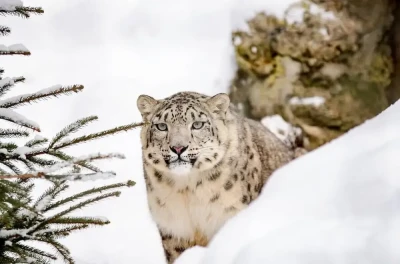
Wildlife recorded in the national park includes Himalayan musk deer, Himalayan black bear, Himalayan goral, red fox, Himalayan tahr, yellow-throated marten and langur. Birdwatchers may spot Himalayan monal, koklass pheasant, snow pigeon, Himalayan griffon and various high-altitude songbirds, while colourful butterflies are commonly seen during the flowering season.
Best Time to Experience the Flora and Fauna
The biodiversity of the Valley of Flowers changes throughout the trekking season.
- June: Snow begins to melt and early alpine flowers start blooming.
- July: Meadows become greener with increasing flower diversity.
- August: Peak flowering season with the highest variety of wildflowers.
- September: Flowers gradually fade while clear mountain views become more frequent.
Responsible Wildlife Viewing Tips
- Stay on the designated trekking trail.
- Do not pick flowers or medicinal plants.
- Avoid disturbing birds and wild animals.
- Carry back all plastic waste.
- Maintain silence while observing wildlife.
- Photography is encouraged, but avoid damaging vegetation.
The Valley of Flowers is one of the finest examples of Himalayan alpine biodiversity. Its unique combination of seasonal wildflowers, rare medicinal plants and protected wildlife makes it one of the most ecologically significant destinations in Uttarakhand. Visitors are encouraged to enjoy the valley responsibly and help preserve its fragile ecosystem for future generations.