Snow Leopard Tours in Uttarakhand
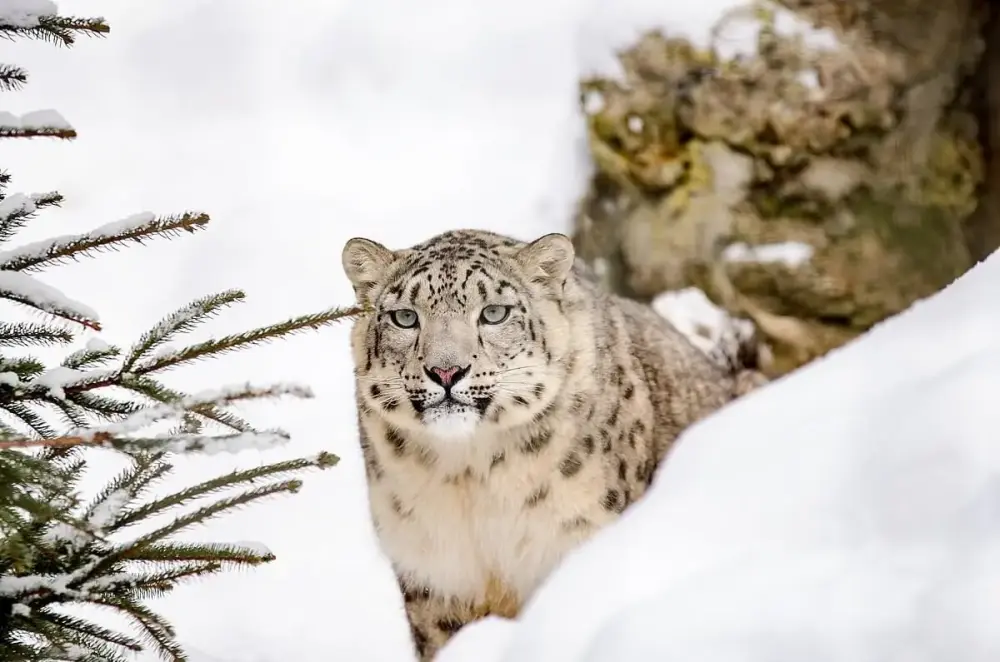
Uttarakhand, nestled in the Indian Himalayas, is emerging as a premier destination for wildlife enthusiasts seeking rare encounters with the snow leopard, often called the "Ghost of the Mountains" due to its elusive nature and masterful camouflage in rocky, snowy terrains.
This majestic big cat, with its thick fur and powerful build adapted for high-altitude life, inhabits the rugged peaks where few venture. Recent government initiatives are transforming winter tourism by introducing specialized snow leopard tours, blending adventure, conservation, and cultural immersion.
Get latest guide to snow Leopard Tours in Uttarakhand
Best Locations for Snow Leopard Sightings in Uttarakhand
Uttarakhand's high Himalayan regions provide ideal habitats for snow leopards, with elevations above 3,000 meters offering rocky cliffs, glaciers, and prey like blue sheep and ibex
- Gangotri National Park (Uttarkashi District): The primary site for the pilot tour, this park in the Garhwal Himalayas spans glacial landscapes and coniferous forests. It's home to snow leopards and other wildlife like Himalayan brown bears and monals.
- Snow Leopard Conservation Centre (Uttarkashi): Established under the SECURE Himalaya Project by the Uttarakhand Forest Department and UNDP, this center educates visitors on the species while facilitating guided sightings.
- Govind Pashu Vihar National Park and Sanctuary (Uttarkashi): A critical conservation zone in the Supin Range, known for its biodiversity and snow leopard populations amid meadows and peaks.
- Nanda Devi Biosphere Reserve and Valley of Flowers National Park (Chamoli)These UNESCO sites offer rugged terrains and valleys where snow leopards roam, combining floral beauty with wildlife spotting.
Other areas like Harsil Valley and Nandaur Wildlife Sanctuary may also feature in extended tours, extending wildlife experiences to regions like Jim Corbett National Park for broader safaris.
Suggested Itinerary for a Snow Leopard Tour
A standard 6-7 day tour combines trekking, wildlife tracking, and cultural elements, often starting from Dehradun or Rishikesh.
- Day 1-2: Arrival and Acclimatization: Fly into Jolly Grant Airport (Dehradun) and drive to Uttarkashi. Stay in homestays or eco-lodges, with briefings on snow leopard behavior and safety.
- Day 3-5: Core Tracking Expeditions: Head to Gangotri National Park for guided treks like Gaumukh-Tapovan (to the Ganges source) or Kedartal. Expert trackers use spotting scopes and camera traps for sightings. Evenings involve bonfires and local folklore sessions.
- Day 6: Conservation and Side Activities: Visit the Snow Leopard Conservation Centre for interactive sessions. Optional extensions include paragliding or rappelling in nearby spots.
- Day 7: Departure: Return with memories.
Best Time to Visit
Winter (December to February) is prime for snow leopard tours, as colder weather brings the cats lower in search of prey, increasing sighting chances amid snowy backdrops.
Expect temperatures dipping to -10°C, so pack accordingly. Avoid monsoons (June-September) due to landslides; summers are better for general trekking but offer fewer leopard encounters.
Uttarakhand Snow Leopard Tour Updates
Announcement and Background
In December 2025, the Uttarakhand government, under Chief Minister Pushkar Singh Dhami, announced the launch of the 'Snow Leopard Tour' as a pilot project to revitalize winter tourism.
This move aims to position the state as a year-round destination, shifting focus from summer pilgrimages to off-season wildlife experiences. The snow leopard population in Uttarakhand has grown encouragingly, from 86 in 2016 to 121 today, thanks to conservation efforts.
Modeled after successful programs in Ladakh, the tour promotes sustainable tourism while boosting local economies through homestays, guides, and adventure services in border areas.
Useful Tips
- Permits from the forest department are required
- Book 2-3 months in advance for peak winter slots.
- Acclimatize to altitudes; carry thermal layers, binoculars, and sturdy boots. Fitness is key for treks up to 4,500 meters.
- Expectations: Sightings aren't guaranteed—patience is essential, as snow leopards are solitary and camouflaged.
- Responsible Practices: Follow "leave no trace" principles; avoid flash photography or loud noises.
- Health and Safety: Get travel insurance covering high-altitude risks; consult doctors for AMS (Acute Mountain Sickness) prevention.