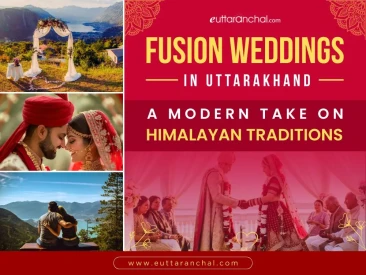
Uttarakhand is one of the most preferred destinations for weddings in India. Places such as Mussoorie, Nainital, Rishikesh, Auli and the Kumaon and Garhwal valleys offer beautiful hills, clear skies, rivers and a blend of colonial and local architecture that make them attractive to couples whowant to have a scenic and memorable ceremony.
The most crucial choice to make is the selection of the month and the weather, which will have a significant impact on logistics, guest comfort, photography, and expenses.
Best Wedding Season in Uttarakhand: Spring & Autumn Explained
The best weather that can be selected isspring (March to the beginning of June) and fall (end of September to November). In the spring season, there is new greenery, including rhododendrons and apple blossoms, at greater altitudes, and pleasant weather in mid-hill stations, making them suitable for holding outdoor rituals and photoshoots. The season at high altitude is pleasant at this time of the year. For hill-station weddings, most couples hold their marriage between April and early June as the weather is predictable and the scenery is clear.
From late September until late November, the monsoon gives way to Autumn, which provides clean air, blue skies and clear views of the higher mountains. The landscape looks fresh following the monsoon clean-up. Autumn light is often ideal for photographers, with pleasant days and cool evenings. Since these seasons are in high demand for tourists and weddings, make earlier bookings for the venue and vendors.
Winter & Snow Weddings in Uttarakhand: When, Where & What to Expect
High-altitude areas and winter months are the best choices if you desire snow and a Himalayan backdrop. The snow is consistently assured, and the views of the white scenery are spectacular in Auli, Chopta, and certain areas of the Uttarkashi and Kedarnath vicinity during the months of December and February.
Snow weddings are distinctive and logistically more challenging: travel might be interrupted, roads may need to be cleared of snow, and a substantial number of guests will need to be prepared to wear cold-weather attire. There must be backup plans forindoor facilities, including heated options, as well as proper transportation and accommodation arrangements.
If the majority of your guests are not accustomed to extreme cold, consider conducting a brief photography or pre-wedding session in a snowy area, followed by the actual ceremony in a lower-elevation area.
Monsoon Weddings in Uttarakhand: Why July–August is Risky
The period of monsoon months (approximately July-September) usually poses the greatest threat to an outdoor or multi-day wedding in Uttarakhand. The rains are heavy, thus have humidity, slippery roads and high chances of landslides and local flooding in certain areas. Outdoor photography is also restricted by rain and may necessitate a scramble to an indoor location, which can be very costly and stress-inducing if the places or sellers are not readily available.
Due to the irregular Monsoon cycle in certain years, the state has experienced more intensive and destructive rainfall incidences; and that is why flexible planning and risk analysis have never been more significant. In case you have to choose a date due to a family or astrological reason, consider mostly covered venues, strong drainage and contingency transport choices.
Month-Wise Guide to Popular Wedding Destinations in Uttarakhand
Mussoorie and Nainital: These are the most traditional hill stations which are busy during late in spring and in autumn. In Mussoorie the dew and valley are at themost in the months of April-June and September-November; in Nainital, at the same windows the scenery is no less beautiful, and the nights are a little colder. Both towns have variety of hotels and lawns which can accommodate any size ceremony such as intimate or 200-300 guests’ event, however, season rates are higher during the best seasons.
Rishikesh and destination weddings for the lower-level: Rishikesh boasts of river-side mandaps, wellness-oriented destination weddings, and adventure options. September-November and March-June are the good months since the rivers can be handled and the heat is not overpowering. In summer on lower elevations, the temperatures during the day can be high and long outdoor programs can be uncomfortable to the guests.
Auli and snow-white high-altitude locations: To get snow and a real Himalayan scenery, then it is time to get December-February. Auli is being occupied with small and luxurious snow wedding and winter shoot assignments. Keep in mind additional expenses of logistics in cold weather and necessity to verify the availability of road clearance and power supply services to your guests.
How Wedding Season Affects Budget & Venue Availability in Uttarakhand
The prices of the venue in Uttarakhand are guided by conventional tourism trends. During the peak seasons (spring and autumn),all the well-known venues sell out, and vendor prices increase significantly. Whereas off-season months may imply discounts and weekdays. The weddingindustry suggests that the Indian wedding market has a huge portion of events during the October-December window in the country, driving prices high in many of the destinations. Wherever possible, plan and sign contracts early in advance to secure prices.
In case the budget is a key consideration, early-spring or late-winter off-season months, or reserve a mid-week reservation during high season when the sellers are not always sticky with their prices.
Local Festivals, Holidays & Their Impact on Wedding Planning
The Uttarakhand has numerous local festivals throughout the year that may assist as well as impede the wedding arrangements. The festivals may be a chance to bring certain cultural colour, but also rise the demand on travelling and hotel booking, complicated the logistics. Research local calendar dates before you select a date, the bigger pilgrimage or festival weekends will not be so good to your guests in terms of transport and accommodation choices. Moreover, attempt to choose dates that are favorable to most of your guests- do not plan big national holidays because you would pay a higher price to the vendor and do not plan the peaks of the school holidays because you would have many guests with families.
Best Time for Destination Wedding Photography in Uttarakhand
Post-monsoon months are usually the favorite of photographers, as the air is clear and there is a view of the mountains. There is great greenery and flowers in Spring and these do well in portraits and candid shots. To capture golden-hour photographs, the light in the autumn is lighter and drier giving sharp pictures. Snow or hazy, atmospheric, portraits Snowy or foggy days are best served with high altitude deliveries and make sure that the photography crew is familiar with the low-temperature photography.
Guest Comfort & Accessibility: Choosing the Right Season for All Age Groups
The comfort of the guests is essential in as much as the preferences of the couple. Lower level venues will be accessible by the aged or challenges in movement guests, whereas high altitude snow venues may be a challenge to others. During planning add a travel advisory to the guests on clothing, preventive measures against altitude sickness and what to expect of the local road and weather conditions. Make sure of a good means of transport to the closest rail and/or airport and think of staggered arrival times so as to relieve the congestion of vehicles and hotels. In case of remote locations, always have good contingencies in relation to bad weather and a contact locally who can make last minute adjustments.
Vendor Availability by Season: When to Book in Uttarakhand
The most popular months are reserved by the finest photographers, decorators and caterers and in case you want your best month to be in spring or autumn, you have to sign contracts early, maybe 9-12 months before the best month. Shoulder seasons or weekdays are also an option, and most of the vendors offer discounts or packages, especially when you are on a tight budget. Wherever you can, use local suppliers to make sure you save on transporting the equipment and food items, however, you must always ensure that they are available and provide you with references or examples of other weddings that they have conducted belonging to the same scale and style you are asking.
Final Checklist to Choose the Best Wedding Date in Uttarakhand
Choose between an outdoor wedding in the hill-station, a Rishikesh river-side wedding, or a snow-white high-altitude wedding. Choose the location in relation to the season: the safest times to take pictures are March-June and September-November (clear weather and good photos); December-February is in snowy season; July-August is dangerous due to monsoon. Calculate the times of the check festivals, confirm with vendors in advance, make backup arrangements due to the indoor-based plans as an outdoor one, and inform the guests about the nature of their traveling to make it run smoothly. Most couples in Uttarakhand consider spring or post-monsoon autumn to be the best season; this is because it is a combination of favorable weather, picturesque view, and access to the vendor.
Final Thoughts: Choosing the Perfect Wedding Season in Uttarakhand
The backgrounds in uttarakhand are very diverse; riverside mandaps or snow-dusted meadows. The most favorable period would be related to the priorities: your weather certainty and photography (spring and fall), great snow shots (high altitude in winter), and your budget (shoulder or low season dates). By doing a little planning, such as making early reservations, contacting local vendors, having contingency plans, etc, you can arrange a gorgeous, well arranged wedding in the Himalayas that your guests will remember all their lives.