Offbeat Villages in Uttarakhand for Intimate Weddings
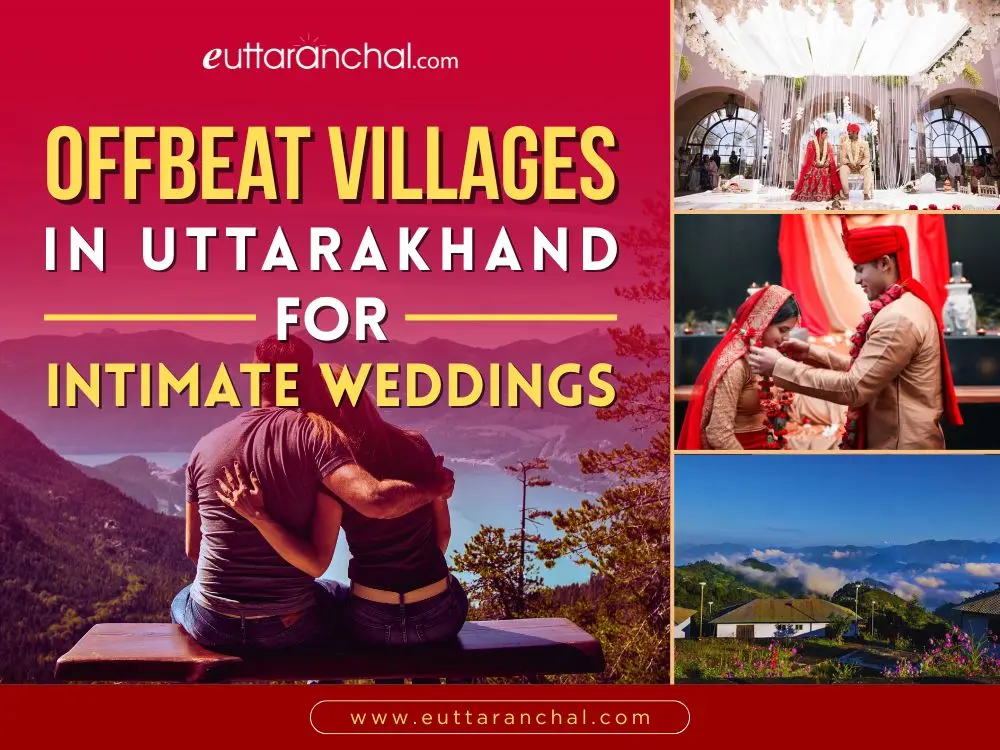
The offbeat villages in Uttarakhand are now being preferred by couples who want to get out of the busy weekend hill-station resorts and have a small and secluded wedding. It is now the trend of having a smaller, experience-based celebration, an intimate wedding, where the couple only desires a ceremony with meaningful rituals and spending time with a small number of relatives and friends.
Unlike busy hill stations, many villages in Uttarakhand offer peaceful surroundings, traditional architecture and small boutique stays that are ideal for intimate weddings. Couples can organise ceremonies with a limited guest list while enjoying mountain views, local hospitality and a quieter atmosphere away from commercial tourist destinations.
Some of the most preferred offbeat wedding villages in Uttarakhand include Mukteshwar, Khirsu, Chopta, Sankri, Jageshwar, Mana and Munsiyari. Each destination offers a different setting, ranging from apple orchards and pine forests to ancient temple complexes and Himalayan mountain views.
Best Offbeat Villages in Uttarakhand for Small & Private Weddings
Every couple has different expectations from a destination wedding. Some villages are known for mountain views, while others are preferred for heritage temples, orchards or peaceful forest surroundings. Here are some of the best offbeat villages for intimate weddings in Uttarakhand.
- Mukteshwar and Khirsu (part of the Nainital/Pauri belt) are good small wedding destinations due to their orchards, open lawns and valley views. Mukteshwar village homestays, which families and tiny estates own,can host dinners and the primary ritual in an open-air location; Khirsu provides breathtaking observation spots that make sunset ceremonies especially memorable.
- Chopta and Sankri in the higher Garhwal region provide mountain-meadow locations (and entrance to rhododendron forests) - these are best adapted to couples who wish to have an intimate ceremony and then a short group trek or walk in nature.
- The small-scale ceremonies, which focus more on ritual and temple visits, are given a spiritual and heritage background by Jageshwar, with its complex of ancient temples around Almora.
- Remote areas of Munsiyari and Mana are best suited to the couple, who like theatrics and Himalayan views and like very intimate celebrations with just a few close friends.
Wedding Locations in Uttarakhand That Require Special Permissions
Some protected forests, wildlife reserves, temple complexes and border villages have restrictions on commercial events or large gatherings. Always verify permissions with the concerned authority before finalising the venue.
- Valley of Flowers: Weddings and commercial events are not permitted inside the Valley of Flowers National Park.
- Hemkund Sahib: Religious and ecological regulations make wedding ceremonies unsuitable within the shrine area.
- Nanda Devi National Park: Entry is regulated and private events are not permitted inside the protected reserve.
- Kedarnath: Kedarnath Temple premises and surrounding protected areas follow strict pilgrimage regulations.
- Jageshwar Temple Complex: Permission from temple authorities may be required for photography or private ceremonies.
- Border Villages: Villages such as Mana and Kuti may have seasonal travel restrictions and permit requirements.
Planning Logistics for an Offbeat Village Wedding
Most offbeat villages have limited accommodation, so booking the entire property or nearby homestays well in advance is recommended. Discuss catering, decoration, parking and guest transportation before confirming the venue.
- The small village wedding lowers the number of people you need to accommodate; hence,relying on the local homestays and small guesthouses is possible. Uttarakhand has several homestays and family-owned properties that can be booked as a group and modified to a small wedding dinner/ ceremony.
- Local sourcing of food (seasonal food, hill-style thalis, when in season, mountain trout, wood-fired breads) provides guests with a sense of location and reduces the transportation of large volumes of food.
- To decorate and sound, most planners recommend carrying over important stuff in the surrounding towns (Dehradun, Nainital, Rishikesh), but renting local workers to install and maintain it is a smart option that would not become a burden on you.
Marriage Registration and Local Permissions in Uttarakhand
Marriage registration is a separate legal process and is not completed at the wedding venue itself. If your ceremony is organised inside a temple, forest area or public property, obtain any permissions required from the local management or authorities beforehand.
Prior communication - This is done by notifying the homestay owner, the village panchayat and the local police station of the dates and the number of guests visiting the place; this will help avoid the last-minute huddle and get basic permission. This is especially critical in areas close to the protected forest or pilgrimage places, where further clearances may be needed.
Eco-Friendly and Sustainable Wedding Ideas for Villages
Village weddings naturally suit eco-friendly celebrations. Use locally sourced flowers, reusable decorations, traditional fabrics and minimal plastic to preserve the natural surroundings. Supporting local artisans, florists and caterers also benefits the village economy.
Incorporating Local Culture and Community Participation
Sustainable decisions can be made when fewer guests are involved. Use reusable or compostable dishes, employ local caterers with local and in-season ingredients, and have local orchard flowers instead of imported flower arrangements.
Interact with the locals by employing local artists, craft workers, and cooks; pay them well and clarify things so the hosts have time to arrange things. In the open village situations, ask for the community's permission and make a donation to a local cause in order to be respectful.
Best Season for Village Weddings
March to June and October to early December are generally considered the best months for intimate weddings in Uttarakhand villages. These months usually offer pleasant weather, clearer mountain views and better road accessibility compared to the monsoon season.
Budget Planning for Offbeat Village Weddings
The overall wedding budget depends on guest count, accommodation, decoration, transportation and photography. Although village venues may cost less than luxury resorts, additional transportation and logistics should be considered while planning the budget.
However, more money per guest may be spent on food, decor, and photography. The resultant effect is a typically enhanced experience for every guest and a more concentrated budget. Couples must also savefunds for unexpected needs of the site (weather, additional transportation) and negotiate with local partners on realistic prices of services.
Last-Minute Checklist Before Finalising the Venue
Before confirming the venue, verify accommodation capacity, road accessibility, electricity backup, mobile connectivity, parking availability and local permissions. It is also advisable to appoint a local coordinator who can assist guests during the wedding.
Offbeat villages in Uttarakhand offer a peaceful alternative to crowded wedding destinations. Their natural surroundings, traditional culture and small-scale hospitality make them ideal for couples planning an intimate celebration with close family and friends.
Choosing the right village, planning accommodation in advance and working closely with local hosts can help create a memorable destination wedding while respecting the environment and local community.