Badrinath Weather

Today's weather of Badrinath is expected to be Patchy rain nearby with a maximum temperature of 19° C and a minimum temperature of 11° C. The average humidity in Badrinath would hover around 76%. There is 75% probability of rain in Badrinath today and 6.34mm rainfall may be recorded in the area.
The September month in Badrinath is generally sunny and you would feel pleasant throughout the day. Light Woolen are recommended in September. Could receives post monsoon rainfall but occasionally. An ideal month to travel Badrinath. The valley turns into a green carpet with blooming flowers.
Today's Hourly Weather forecast for Badrinath


Badrinath Weather forecast for next 2 days
Overview of Badrinath Weather
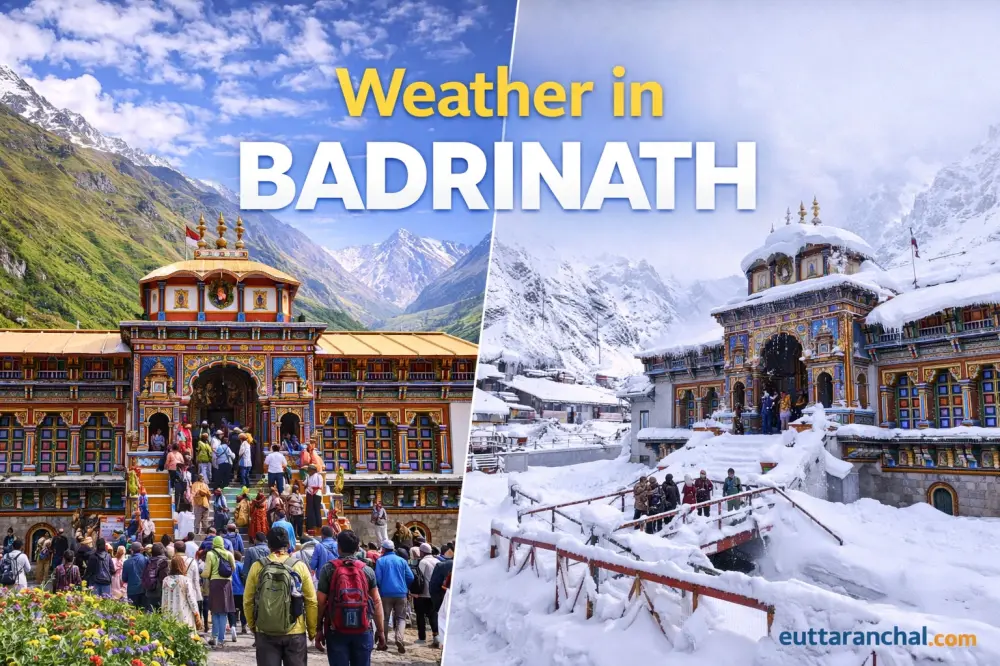
Badrinath, one of the most sacred Char Dham pilgrimage sites in Uttarakhand, is known for its extreme and rapidly changing weather conditions due to its high-altitude Himalayan location. Situated at an elevation of over 3,000 meters, Badrinath experiences cool summers, heavy monsoon rains, and extremely cold winters with heavy snowfall. The weather in Badrinath plays a crucial role in travel planning, as the temple remains open only for a limited period each year.
Pilgrims and travelers frequently search for Badrinath weather today, temperature, snowfall season, and best time to visit, especially during the Char Dham Yatra season. Understanding seasonal weather patterns helps ensure a safe and comfortable journey to this holy destination.
Badrinath Weather Guide
Summers (May to June)
- Temperature: 7°C to 18°C
- Weather: Cool and pleasant, with clear skies and comfortable daytime temperatures. Nights are chilly but manageable.
- Activities: This is the best time to visit Badrinath for the pilgrimage season, as the temple opens in May. It’s also ideal for sightseeing, trekking, and visiting nearby spots like Mana Village and Vasudhara Falls.
Monsoon (July to September)
- Temperature: 10°C to 15°C
- Weather: Frequent rain, with misty and cloudy conditions. Landslides are common, making travel challenging and risky.
- Activities: Monsoon is not the ideal time to visit Badrinath due to the increased risk of landslides and roadblocks. However, the rain enhances the greenery and beauty of the region for those who prefer scenic monsoon landscapes.
Autumn (October to November)
- Temperature: 5°C to 14°C
- Weather: Cold, with crisp air and clear skies, offering stunning views of the surrounding snow-capped peaks.
- Activities: This is the last chance to visit the temple before it closes for winter, usually around November. The weather is pleasant for sightseeing, and the crowd thins out compared to the summer months.
Winters (December to April)
- Temperature: -5°C to 10°C
- Weather: Extremely cold, with heavy snowfall. The temple remains closed during this period, and the area becomes mostly inaccessible due to snow.
- Activities: Badrinath is not accessible in winter, as the temple is closed and the roads are often blocked by snow. The pilgrimage shifts to the winter abode of the deity at Joshimath during these months.
Best Time to visit Badrinath:
Badrinath is best visited during the summer and autumn months (May to November), when the temple is open and the weather is relatively pleasant. Monsoon brings challenges due to landslides, and winter closes off the region completely. The portals of the Badrinath temple annually opens between the summer months of April-May and closes during winters.
Badrinath Weather Frequently Asked Questions
Planning a trip to Badrinath requires proper knowledge of its weather conditions due to its unpredictable Himalayan climate. Travelers often have questions about temperature, snowfall, road accessibility, and the best time to visit Badrinath.
The following FAQs cover everything you need to know about Badrinath weather, temperature, snowfall months, winter conditions, and travel tips, helping you plan your pilgrimage or vacation efficiently.
Q: What is the weather like in Badrinath throughout the year?
A: Badrinath experiences cool summers, heavy monsoon rainfall, and extremely cold winters with heavy snowfall due to its high-altitude location.
Q: What is the current temperature in Badrinath?
A: The current temperature in Badrinath varies seasonally, ranging from around 5°C to 18°C in summer and dropping below freezing in winter.
Q: What is the best time to visit Badrinath for pleasant weather?
A: The best time to visit Badrinath is from May to June and September to October when the weather is relatively stable and suitable for pilgrimage.
Q: How cold is Badrinath in winter?
A: Badrinath becomes extremely cold in winter, with temperatures often dropping below -10°C and heavy snowfall covering the region.
Q: When does snowfall start in Badrinath?
A: Snowfall in Badrinath generally begins in October or November and continues throughout the winter months.
Q: What is Badrinath temperature in May and June?
A: During May and June, temperatures range between 7°C to 18°C, making it ideal for Char Dham Yatra and sightseeing.
Q: Is Badrinath accessible during winter?
A: No, Badrinath remains closed during winter due to heavy snowfall and extreme weather conditions.
Q: How is Badrinath weather during monsoon?
A: Badrinath receives moderate to heavy rainfall during monsoon (July to August), and landslides may occur, affecting travel plans.
Q: What clothes should I carry for Badrinath weather?
A: Carry warm woolens, jackets, gloves, and thermal wear even in summer, as temperatures can drop suddenly, especially at night.
Q: Is Badrinath weather suitable for travel in summer?
A: Yes, summer is the best time to visit Badrinath as the weather is relatively mild and roads are accessible.
Q: What is the temperature in Badrinath at night?
A: Nights in Badrinath are cold even in summer, with temperatures dropping close to freezing levels.
Q: Which month is best for Badrinath yatra weather?
A: May, June, and September are considered the best months for Badrinath Yatra due to favorable weather conditions.
Q: Does Badrinath receive heavy snowfall?
A: Yes, Badrinath receives heavy snowfall in winter, which leads to the closure of the temple and surrounding areas.
Q: Can I visit Badrinath in October?
A: Yes, October is a good time to visit before winter sets in, though temperatures begin to drop significantly.
Q: How is Badrinath weather compared to nearby places like Joshimath?
A: Badrinath is colder than Joshimath due to its higher altitude, and weather conditions are more extreme.
Q: Is Badrinath safe to visit during monsoon?
A: Travel during monsoon should be planned carefully due to possible landslides and road blockages.
Q: What is the annual temperature range in Badrinath?
A: The temperature in Badrinath ranges from around -10°C in winter to 18°C in summer.
Q: Why does Badrinath temple close in winter?
A: The temple closes due to extreme cold, heavy snowfall, and unsafe travel conditions in the region.
Q: Is oxygen level affected by Badrinath weather?
A: Yes, due to high altitude, oxygen levels are lower, and visitors may feel mild altitude sickness.
Q: How is Badrinath weather for photography?
A: Badrinath offers stunning photography opportunities in summer and early winter with clear skies and snow-covered landscapes.