Latest Yamunotri Travel Update (01 Aug 2026) Yamunotri Temple is open for darshan. Pilgrims are advised to check the latest weather and road conditions before starting their journey, as intermittent rainfall and occasional landslides may affect travel on the Yamunotri route during the monsoon season. It is recommended to begin the trek from Janki Chatti early in the morning and avoid travelling after dark.
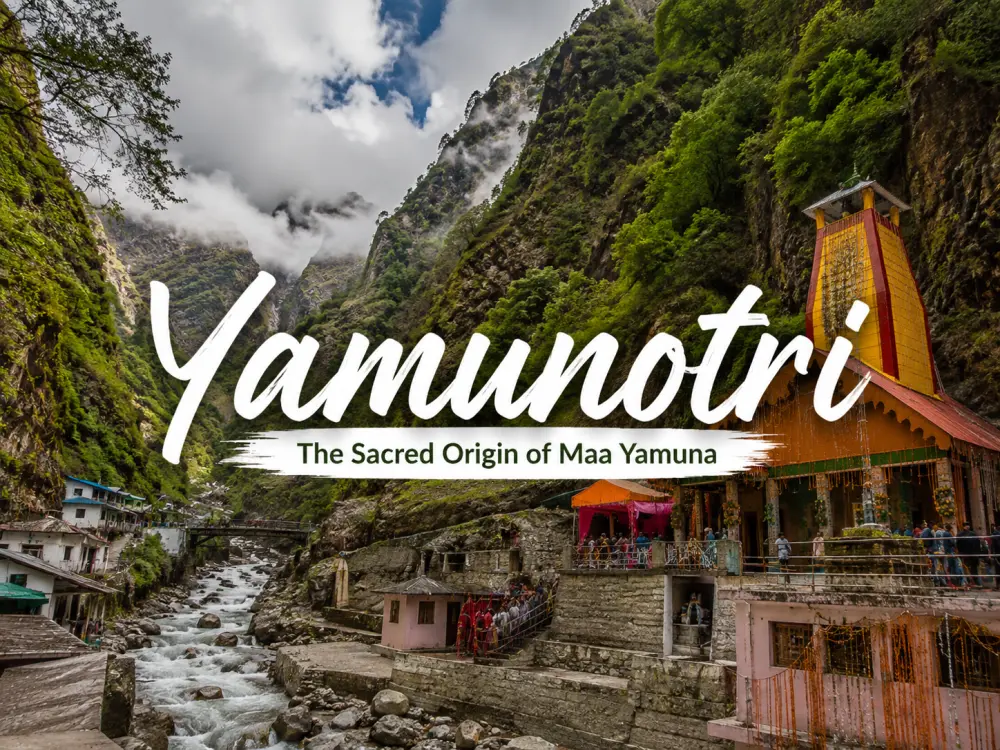
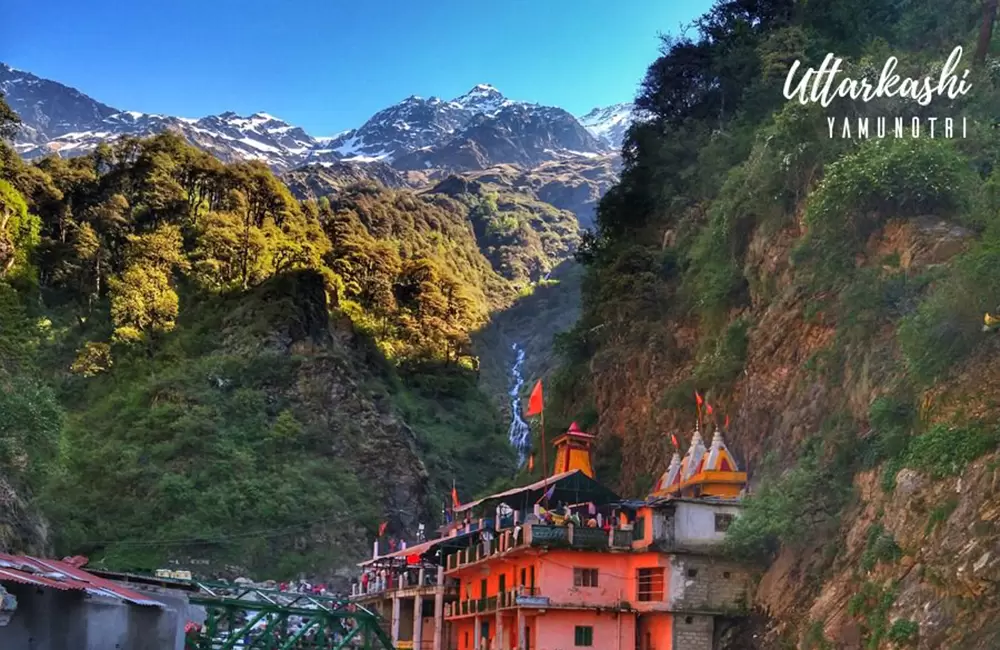
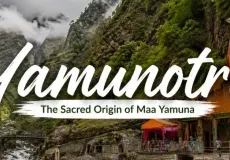
Yamunotri is one of the four sacred shrines of the Char Dham Yatra and is revered as the source of the holy River Yamuna. Located at an altitude of 3,293 metres (10,804 ft) in Uttarkashi district of Uttarakhand, Yamunotri attracts thousands of pilgrims every year seeking the blessings of Goddess Yamuna.
Get Personalised Yamunotri Travel Quote
Contact us for a free travel quote and Yamunotri itinerary for your travel plans.
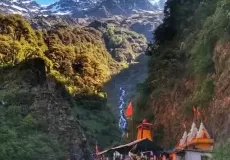
Nestled amidst the Garhwal Himalayas near the majestic Bandarpunch massif, Yamunotri is known for its ancient temple, natural hot water springs, peaceful mountain surroundings, and the scenic 6 km trek from Janki Chatti. Besides its religious importance, the destination is also popular among nature lovers and trekking enthusiasts.
This Yamunotri Travel Guide covers everything you need to know including opening dates, temple timings, registration, weather, how to reach, accommodation, trek details, nearby attractions, travel tips, and the best time to visit.
Yamunotri Dham Opening Date for 2026
The portals of Yamunotri Dham are set to open for pilgrims 19 April 2026 on the auspicious day of Akshay Tritiya.
The Yamunotri temple is usually the first stop-over for the Char Dham Yatra. This temple is dedicated to Goddess Yamuna. Large numbers of devotees visit this shrine during the months of May to October. According to legend, Yamunotri finds special mention in Hindu mythology which was the home of an ancient sage, Asit Muni.
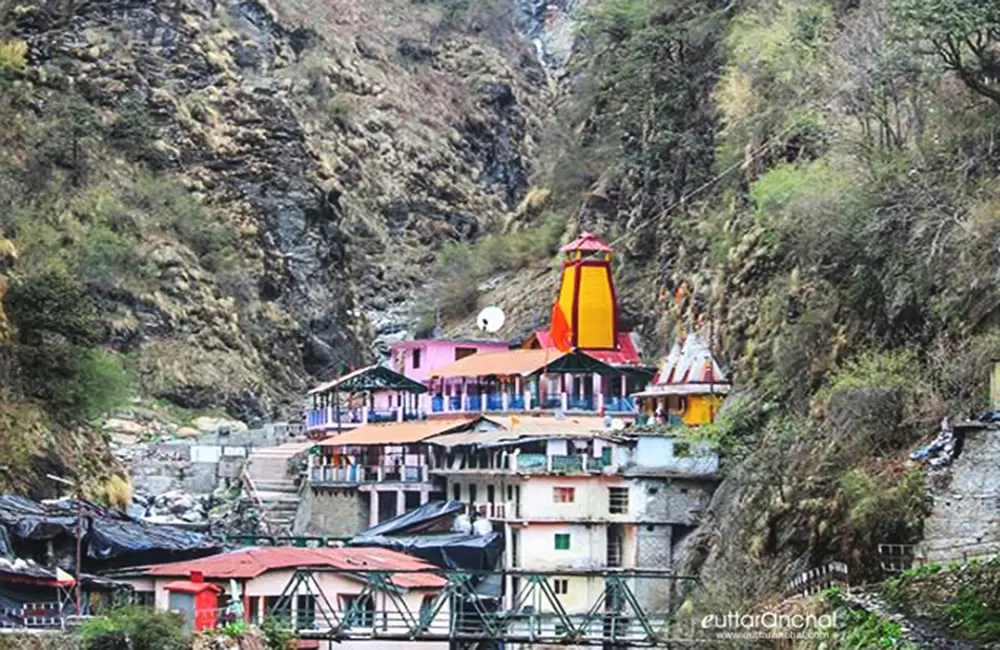
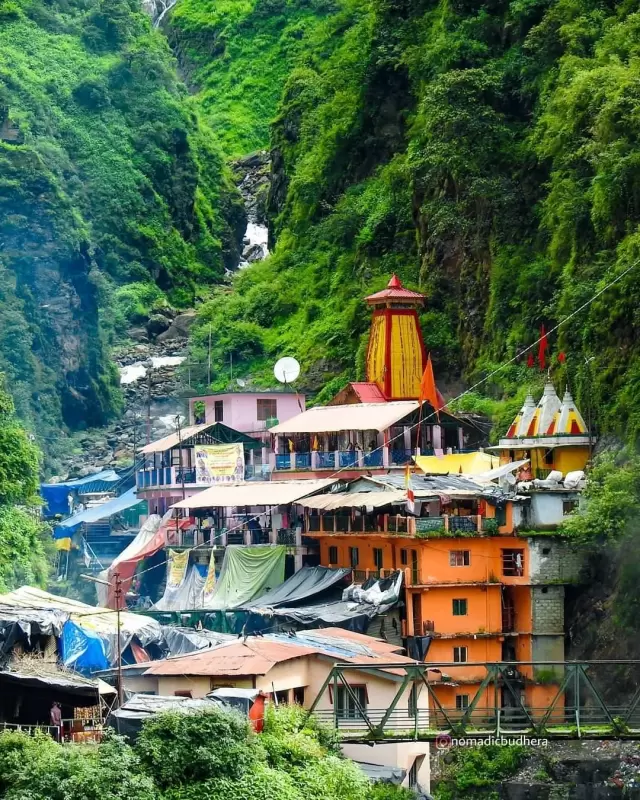
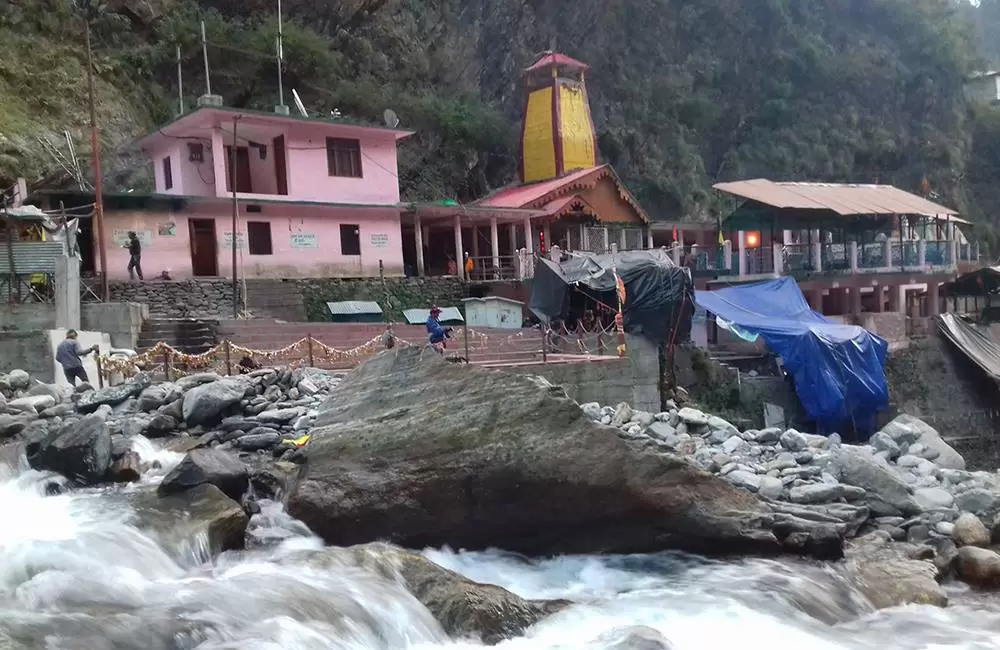
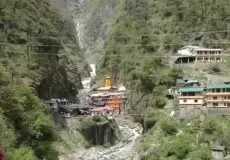
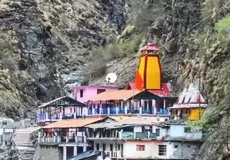
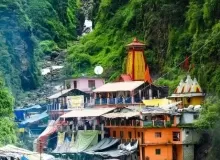
Some of the prime attractions of Yamunotri are the Yamunotri Temple built by Maharani Guleria of Jaipur in the late nineteenth century. There is a small hot water spring at Yamunotri, Rice and potatoes are cooked by pilgrims in this water and served as prasad. Devotees also pay respect to Divya Shila, a rock pillar just before entering the Yamunotri temple.
Local Experience
Start the Trek Before Sunrise
Most experienced pilgrims begin the trek from Janki Chatti before 6 AM. The weather is cooler, the route is less crowded, and you'll enjoy beautiful morning views of the Yamuna valley while reaching the temple before the main rush.
Yamunotri Temple Daily Opening and Aarti Timings
Yamunotri Temple
Duration (Timings)
Morning Opening & Aarti Timing
6:00 AM – 6:30 AM
Morning General Darshan Time
6:00 AM – 1:00 PM
Temple Closed (Afternoon)
1:00 PM to 3:00 PM.
Evening Aarti Timing
6:30 PM – 7:30 PM
Evening General Darshan Time
3:00 PM – 8:00 PM
Why Yamunotri Feels Different From Other Char Dham Destinations
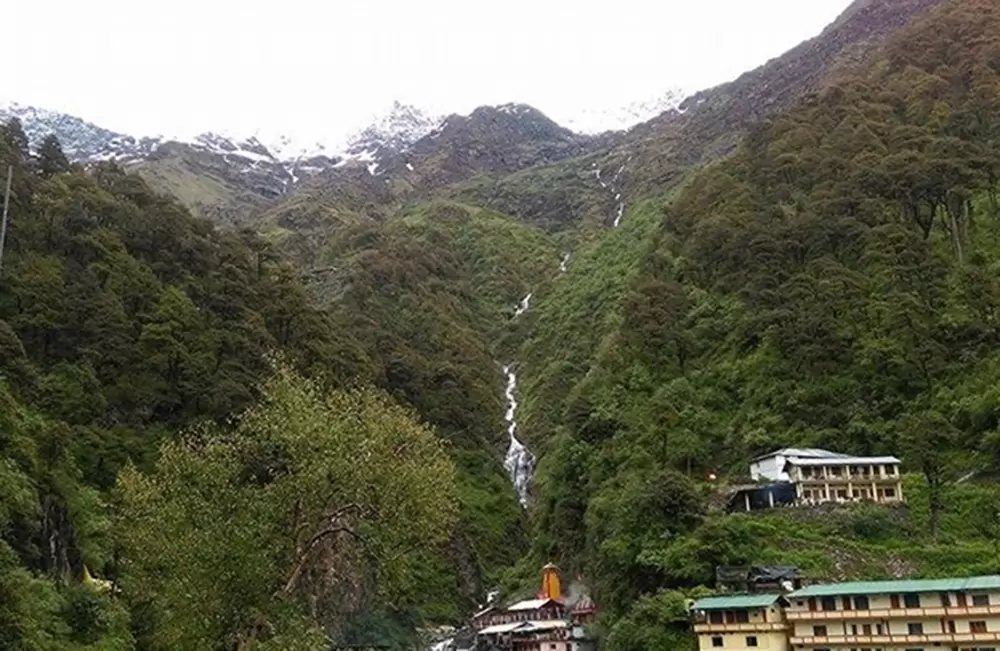
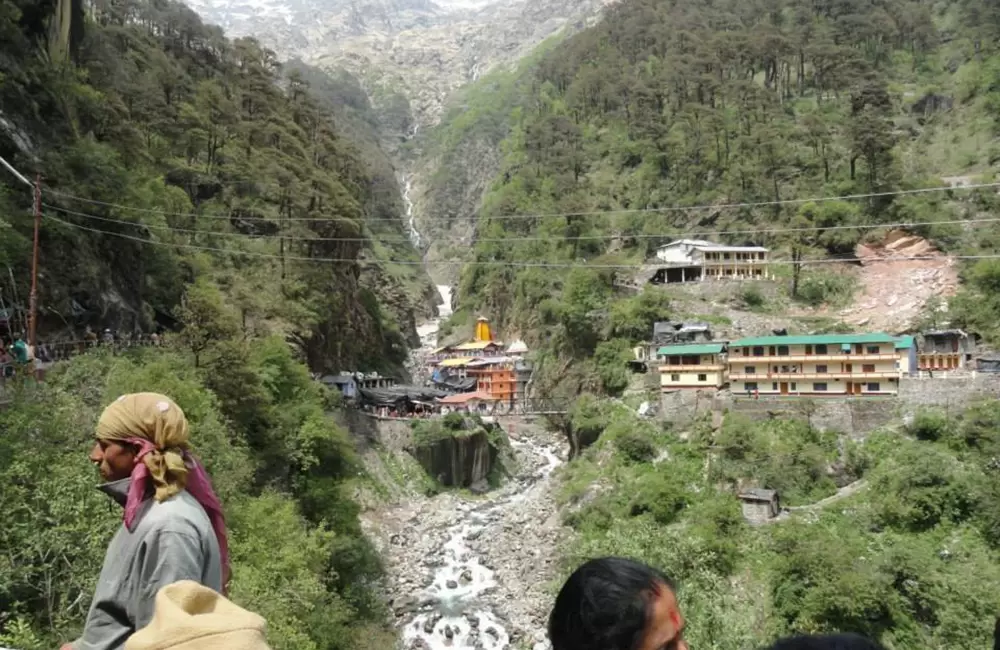
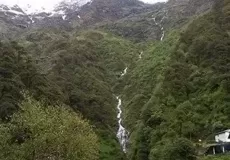
Yamunotri is often the first stop of the Char Dham Yatra, but the atmosphere here feels quieter and more nature-focused compared to the larger pilgrimage towns. Surrounded by steep mountains, hot water springs, waterfalls, and dense Himalayan valleys, the journey combines both spiritual significance and scenic mountain travel.
Unlike destinations connected directly by road, Yamunotri still requires a mountain trek from Janki Chatti, which gives pilgrims a stronger sense of traditional Himalayan pilgrimage. Many travellers remember the peaceful valley atmosphere and the sound of the Yamuna river throughout the route.
Yamuna River and Yamunotri
Yamuna is the second largest and one one holiest river in India after Ganga. Yamunotri is part of the four holy abodes in Chardham pilgrimage yatra and worshipped as source of River Yamuna. However, the actual source of Yamuna River lies in the Yamunotri Glacier at a height 6,387 metres near Bandarpunch Peaks in Lower Himalayas.
Pilgrims also get to enjoy a number of hot water springs in the vicinity of the temple. Only Faith, Purity and Sprituial Significence of the river motivate the tourist towards itself. Unique aspects of ritual practice at the site include hot springs where raw rice is cooked and made into prasad.
Did You Know?
The Temple Isn't at the Actual Source
Although Yamunotri Temple is regarded as the sacred source of the Yamuna, the river actually originates from the Champasar (Yamunotri) Glacier near Kalind Parvat at an altitude of around 6,387 metres, which is accessible only through a difficult high-altitude trek.
Yamunotri in Winters
Yamunotri Temple remains closed every winter after Bhai Dooj because of heavy snowfall. During this period, the idol of Goddess Yamuna is ceremonially shifted to Kharsali Village, the winter seat of the deity, where devotees continue to offer prayers until the temple reopens on Akshaya Tritiya.
Yamunotri Suggested Itinerary - Day to day Guide
Yamunotri Dham is the first temple in the series of char Dham circuit, Hindu pilgrims throughout the world come here for temple darshan and to take the blessing of Yamuna Mata at Yamunotri temple. To reach here, you can book your train to Dehradun which is the nearest railhead to Yamunotri and is the capital of Uttarakhand too.
From Dehradun, you can do further road distance on private vehicle, booked car, sharable jeeps or in other public transport. The route of Yamunotri also has a small trekking distance. The trek to Yamunotri Temple begins with Jankichatti. Yamunotri is 6 km from Jankichatti. Below is the detailed travel guide to Yamunotri Dham of Uttarakhand.
Day 1: Dehradun – Jankichatti
Time taken: Around 6-7hrs (by vehicle)
Distance: 180km
Although you can travel to Yamunotri by private here we will tell you the option of public transport for the common man. At Mussoorie bus stand, near Dehradun railway station, you can get the buses to Barkot which is the nearest town to Yamunotri and transport is easily available from Dehradun to this city. Barkot lies at a distance of about 136kms from Dehradun. You can hire jeeps for Jankichatti from Barkot. Jankichatti is around 45kms from Barkot and it takes around 1.5hrs to reach Janakchatti or use sharable jeeps to reach Jankichatti.
You will have your dinner and rest at Jankichatti today and begin the trek for Yamunotri early in the morning. An accommodation facility is available at Jankichatti for pilgrims.
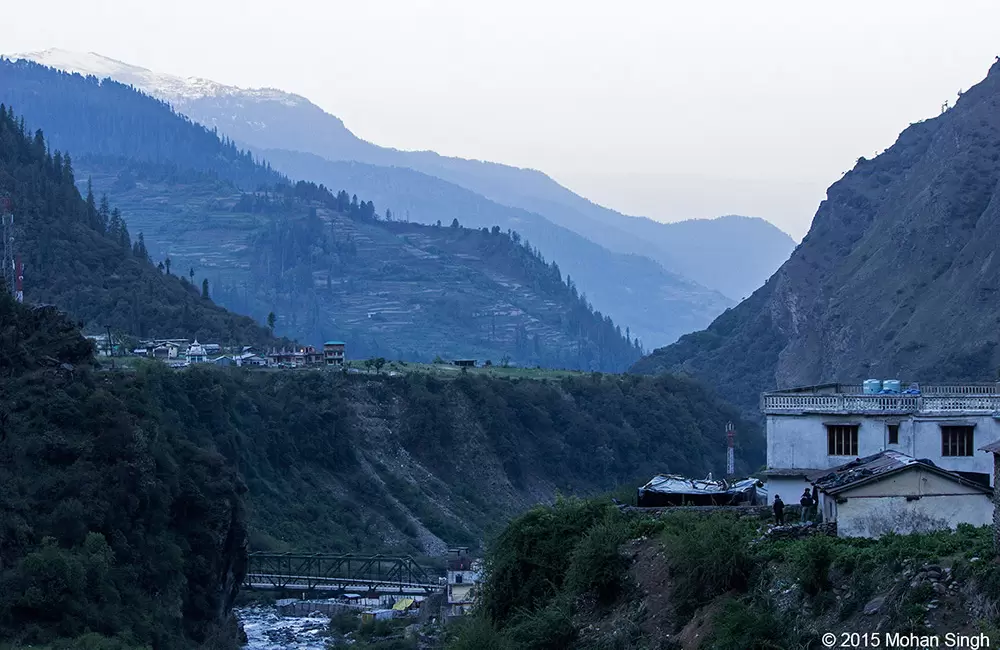
Beautiful morning view at Janaki Chatti. Photo by Mohan Singh
Day 2: Jankichatti – Yamunotri – Jankichatti
Time taken: 5-6hrs
Distance: 12kms
You’ll have your breakfast and begin the trek towards Yamunotri temple early in the morning. The trek to Yamunotri temple from Jankichatti is a 6kms trek and is facilitated with amenities like water points, benches, and resting spots along the routes. You can have tea in the small tea stalls along the way. It will take around 2-3hrs to reach Yamunotri temple.
You’ll trek your way through white snow, dense forests, wild flora and fauna, and fascinating streams and lakes. The snow-clad Himalayas surrounds you as you move forward. Though the distance isn’t difficult it does contain some steeps and can be tiring.
However, once you reach Yamunotri temple and take in the mesmerizing scene around you, you’ll feel extremely content and peaceful. At Yamunotri temple, you can attend the puja ceremony, have your lunch, and explore the area. You’ll return back to Jankichatti on the same day and stay there for the night.
You’ll return to Dehradun today. Before leaving for Dehradun, you can explore Jankichatti. However, ensure that you leave early for Dehradun as it will take around 7hrs to reach Dehradun.
Seek blessings at Yamunotri Temple and offer prayers at Divya Shila.
Trekking
Enjoy the scenic 6 km trek from Janki Chatti through forests, waterfalls and mountain valleys.
Photography
Capture the Himalayan landscapes, temple architecture and Yamuna valley.
Yamunotri Travel Tips
Yamunotri is a revered religious town which holds deep spiritual significance to devotees. Maintain the sanctity of the place by refraining from alcohol and non-vegetarian food.
At an elevation of more than 3,200 metres, the weather at Yamunotri remains chilly throughout the year. Carry ample woolens when visiting the region.
Tourists and pilgrims should inquire about the weather and road conditions especially during the monsoons, before planning their visit to the Yamunotri shrine. Incessant rains often block the roads and disrupt traffic.
Due to religious beliefs, photography may be prohibited inside the temple, especially inside sanctum sanctorum. Please abide by the guidelines outlined by temple authorities.
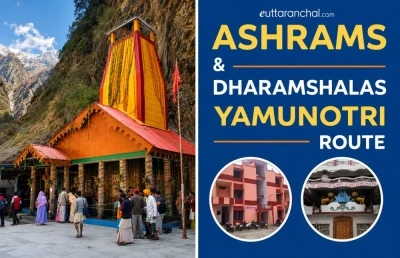
There are plenty of accommodation facilities available at the route to Yamunotri. You can stay at Hanuman Chatti or Janki Chatti from where the trek towards Yamunotri begins. There are accommodation options available nearby Hanuman Chatti and Janki Chatti too.
eUttaranchal Recommendation
Where Should You Stay?
For the most comfortable pilgrimage experience, stay overnight at Janki Chatti if you plan to start the trek early next morning. Travellers looking for better hotels and more dining options generally prefer Barkot.
Carry light snacks and drinking water during the trek even though tea stalls and small eateries remain available throughout the yatra season.
Yamunotri Food Guide
Availability of food isn’t a problem at Yamunotri as there are numerous restaurants in the route to Yamunotri. The restaurants serve breakfast, lunch, and dinner. You’ll come across small shops serving tea and lunch even while trekking.
History of Yamunotri
The Yamunotri temple is dedicated to goddess Yamuna, the main Deity of the temple is made up of Black marble. Yamunotri temple was built by Maharani Gularia of Jaipur in the 19th century after the temple has been destroyed by Climate. The Yamunotri Shrine was originally constructed by Maharaj Pratap Shah of Tehri Garhwal on left seashore of Yamuna River.
According to Hindu mythology, It is believed that Yamuna is the daughter of Surya the Sun God & the sister of Yama, the god of death.
Mythology about Yamunotri
The Yamunotri Temple is dedicated to Goddess Yamuna, an iconification of the second most sacred river of India, River Yamuna. Goddess Yamuna is the twin sister of Yama, the God of Death and is believed to be the daughter of Surya Dev, the Sun god and Sanghya, the Goddess of Perception. In the Vedas, Goddess Yamuna referred to as Yami, the Lady of life.
The Yamuna was named so by an angry Surya Dev who felt insulted when Goddess Sanghya couldn’t see him in the eye due to his dazzling light. She flickered while trying her best to open her eyes in front of Surya Dev. Since Goddess Sanghya had tried to open her eyes, Surya Dev blessed the Yamuna that she would be revered as a goddess and remembered eternally. Goddess Yamuna also inherited the frivolous nature through this incident.
According to legends, the great sage Asti Muni lived as a hermit in the Yamunotri region. He bathed at both Ganga and Yamuna rivers throughout his life but as he became old he couldn’t travel to Gangotri. A stream of Ganga emerged opposite to River Yamuna just for his uninterrupted ritual. Yamunotri presents a rare sight of Ganga and Yamuna together.
Kalind Parvat, the mountain peak that lies adjacent to the source of Yamuna River is named after Surya Dev. Surya Dev is also known as Kalind and gushing out of Kalind Parvat, Yamuna is also referred to as Kalindi.
Legend has it that Lord Hanuman after burning Lanka extinguished the fire from his tail in the icy waters of Yamuna at Banderpooch. Hence the peak is called as Bander (monkey) Poocch (tail).
Devotees believe that taking a dip in the holy waters of Yamuna washes out their fear of death and relieves them of their sins. Pilgrims visit Yamunotri temple to seek the blessings of Goddess Yamuna, Yama, Surya Dev, and Goddess Sanghy.
Trekking to Yamunotri Temple
The route of Yamunotri also have a small trekking distance. The trek to Yamunotri Temple begins from Jankichatti. Yamunotri is 6 kms from Jankichatti. Below is the detailed travel guide to Yamunotri Dham of Uttarakhand.
Asit is adorned on the foothills of the Himalayas, Yamunotri is clad in a majestic aura that is accentuated by the meandering meadows, bubbling creeks, turquoise lakes and diverse flora-fauna. Many adventure enthusiasts like to trek here as they are subjugated by the majestic peaks and thick woodlands.
Things to keep in mind before commencing Yamunotri Trek
The trek to Yamunotri Temple is an interesting and an enjoyable one. However, if you don’t prepare well, even the best of treks turns out to be a nightmare. It is the small things that you must take care to experience an interesting trek and to ensure that you are travelling responsibly.
Do's:
Always start your trek early in the morning. The sunlight at noon at harsh and will make your journey very tiring.
Carry a raincoat or an umbrella with you to protect yourself from the unexpected weather changes in the hilly areas.
Wear shoes with good grip while trekking. The steeps and the trails can be quite tricky and will require shoes with good grip.
Carry water bottles to keep you hydrated throughout the trek. Do not throw them on the road or swung them off from the valley. Respect Mother Nature.
Keep your eyes in the trekking route so that the ponies coming back from the temple don’t make you pass out.
Don’ts:
Do not over carry items in your bag. Carry only the necessary items while trekking. Heavy bag will slow down your speed and tire you faster.
Do not walk empty stomach. Doing so will make you journey even harder.
Do not throw used water bottles, plastics, and packets in the road or across the valley. Place them in your bag or dispose them off on a trash bin.
Do not throw cigarette butts on the road. Doing so will not only pollute the area but also increase the chance of fire. Dispose them properly in the garbage bin.
You’ll have your breakfast and begin the trek towards Yamunotri temple early in the morning. The trek to Yamunotri temple from Jankichatti is a 6kms trek and is facilitated with amenities like water points, benches, and resting spots along the routes. You can have tea in the small tea stalls along the way. It will take around 2-3hrs to reach Yamunotri temple.
You’ll trek your way through white snow, dense forests, wild flora and fauna, and fascinating streams and lakes. The snow-clad Himalayas surrounds you as you move forward. Though the distance isn’t difficult but it does contain some steeps and can be tiring. However, once you reach Yamunotri temple and take in the mesmerizing scene around you, you’ll feel extremely content and peaceful. At Yamunotri temple, you can attend the puja ceremony, have your lunch, and explore the area. You’ll return back to Jankichatti in the same day and stay there for the night.
Facilities Available During the Trek
Tea stalls and small restaurants at regular intervals.
Drinking water points on most parts of the trek.
Benches and resting shelters along the route.
Pony, Palki and Kandi services available from Janki Chatti.
Basic medical assistance during peak Char Dham season.
Public washrooms at selected locations.
The cost depends on the distance traveled. From Jankichatti to Yamunotri, Dandi will cost Rs 1900, Kandi will cost Rs 840 and Poni Rs 640.
Yamunotri Travel Tips
Don’t forget to get your Biometric registration before traveling to Yamunotri Temple. You can complete your biometric registration online or at major cities of Uttarakhand or at Jankichatti itself. Keep your AADHAR CARD handy for registration at Jankichatti. Check online process of Char dham bio-metric regisration.
The darshan and aarti timings in Yamunotri Temple have a small window so know about them beforehand and plan your visit accordingly. Yamunotri Temple opens at 6am and closes at 8pm for pilgrims. The morning aarti starts at 6:30am and the evening aarti starts at 7:30pm.
There are plenty of accommodation facilities available at the route to Yamunotri. Budget and deluxe hotels are available at Hanuman Chatti or Janki Chatti from where the trek towards Yamunotri begins. During peak seasons, hotels are packed. Make sure to book your rooms in advance so that you have a hassle-free stay.
Since Yamunotri Temple is located in a high-altitude, it gets extremely cold during winters with snowfall starting from December and lasting till March. The weather remains moderately cold and pleasant during summers. Carry warm winter clothes during winters and don’t forget to carry fleece and jacket during summers.
Trek to Yamunotri Temple isn’t difficult but the route contains some steep slopes. Take careful steps.
Only 2G networks on select phones are available in Jankichatti. 3G network is available at Barkot and only BSNL is available at Yamunotri. You can travel on Palki, Kandi, and mules & ponies till Yamunotri Temple. You have to book your ride at Jankichatti itself. From Jankichatti to Yamunotri, Dandi will cost Rs 1900, Kandi will cost Rs 840 and Poni Rs 640.
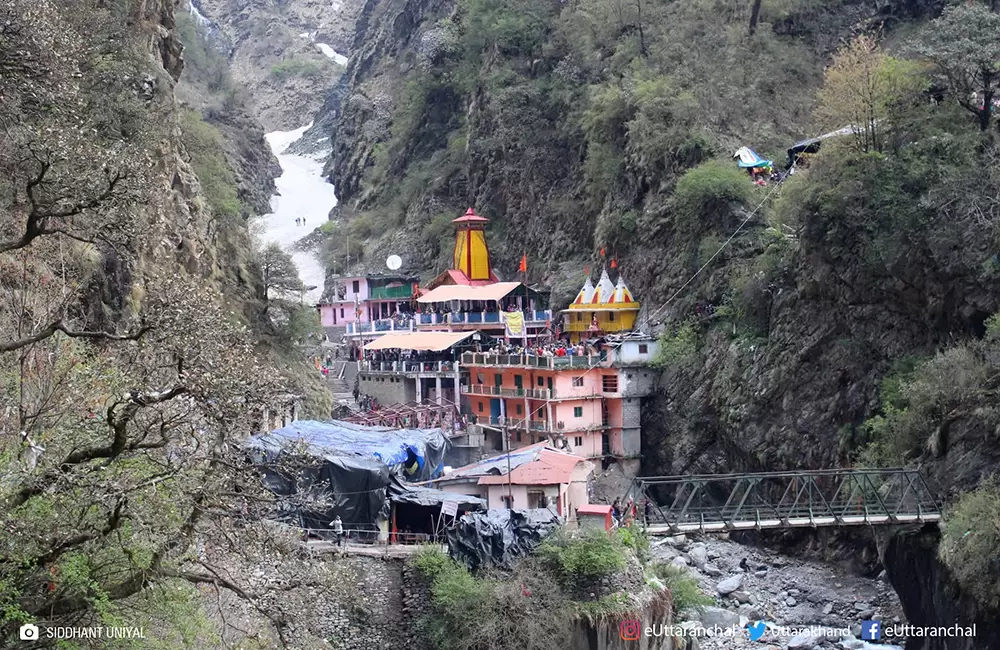
Photo by Siddhant Uniyal via Facebook : Yamunotri Temple - May 2019
Other Places near and en-route Yamnotri
Phool Chatti is a beautiful village surrounded by flowers beaming with an aromatic fragrance, colourful fruit trees, and ayurvedic medicinal plants. The quaint village is situated just 6 km from Hanuman Chatti and 2 km from Janki Chatti.
Hanuman Chatti is a scenic hamlet located at the confluence of Hanuman Ganga and Yamuna rivers. Hanuman Chatti served as the starting point of Yamunotri trek until the construction of motorable roads till Jankichatti. Hanuman Chatti is an ideal getaway for travelers looking for some adventure. It serves as the base point of many treks such as Darwa Top and Dodital Lake trek along with the newly explored trek of Gulabikantha.
Syanachatti: The small town of Syanachatti is an important stop for people traveling to Yamunotri. Located at a distance of just 22 km from Yamunotri and 16 km from Jankichatti, Syanachatti serves as an optimal place of stay where you can enjoy the beauty of nature without any distractions.
Saptrishi Kund Trek: You can extend your trek to Saptrishi Lake which is the original source of River Yamuna.
Yamunotri is also written as jamnotri, Yamnotri , yamanotri or Yamunotry as well.
The minimun and maximum temperature in August in Yamunotri is 9°C and 17°C respectively. The weather is generally rains in August and you would feel cold throughout the day. Light Woolen clothes are recommended for Yamunotri in August.