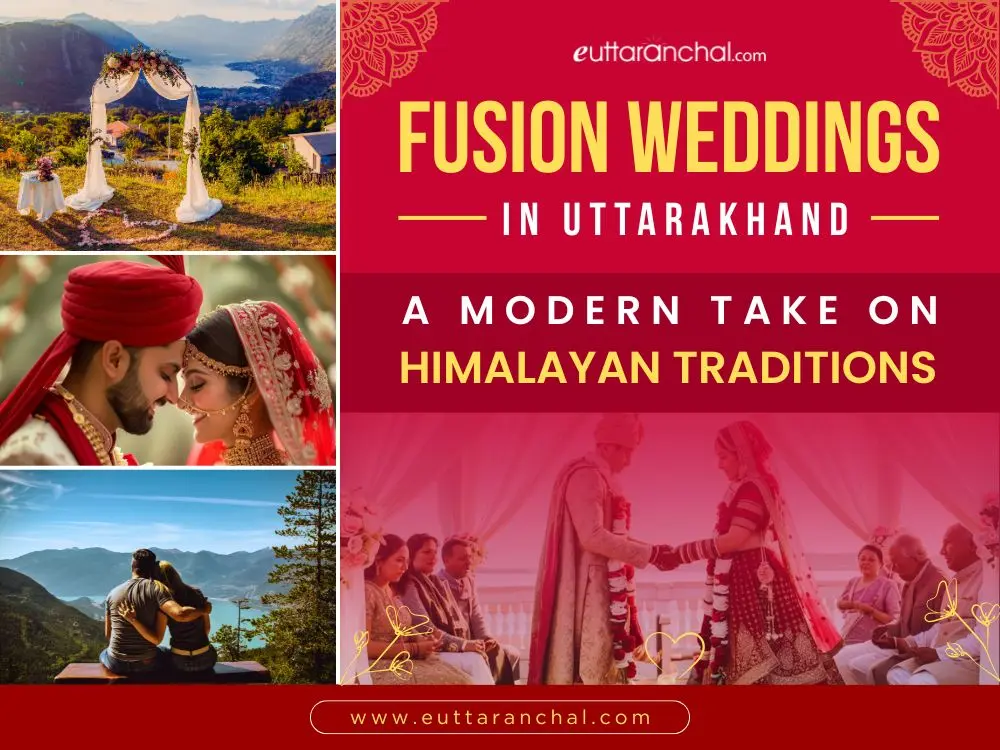
The most recent trend gaining popularity among couples planning a destination wedding in the Himalayas is the fusion wedding, which combines contemporary trends with the cultural heritage of Uttarakhand. Uttarakhand is full of scenic hill stations, serene temples, ghats along the river, forest resorts, and traditional villages, which suit ceremonies that seem personal but have strong roots in local traditions.
This is one of the regions where many couples prefer to be, due to its ability to blend contemporary fashion, immersive experiences, and Garhwali and Kumaoni cultures. This combination makes celebrations simple, meaningful, and touching.

Destination weddings in Uttarakhand are associated with the hospitality infrastructure in the state, scenic beauty, and good accessibility of the state by the major cities in India. Rishikesh, Mussoorie, Jim Corbett, Nainital, Almora, Mukteshwar, and Ramgarh offer stunning mountain sceneries, lush forested areas, and serene riverbanks. Couples desire intimate and multi-day celebrations where guests feel relaxed and at a slower pace. Customizable wedding packages are currently available in resorts located in these regions, integrating mountain-like aesthetics with contemporary features. The spiritual atmosphere that surrounds Uttarakhand also contributes to its popularity among married couples who desire their guests to experience their ceremony as a practical and genuine event.
The culture of Uttarakhand is determined by two major regions, Garhwal and Kumaon. They both have their own wedding traditions, folk music, and symbolic practices, which contribute to the fusion of their marriages. Garhwali weddings are characterized by the Mangal Geet, which is sung by women during pre-wedding ceremonies, a traditional wedding dress like the pichora worn by the bride, and rituals such as the tilak ceremony performed alongside the bride. Kumaoni weddings also involve such ceremonies as the chholiya dance, the dhol beat, and community engagement.
Such traditions serve as the cultural foundation that couples choose to keep as they merge something new. The outcome is a wedding that is both authentic to Uttarakhand and personalized, yet modern.
Personalization is one of the trends in Uttarakhand. Couples build customized experiences - sunrise welcome parties, riverside brunches or mountain view pheras giving the wedding a sense of immersion. Another significant trend is sustainability, because the fragile ecosystem of Uttarakhand promotes the use of low impact decorations, eco-friendly products and patronage of local suppliers. There is also technology, which includes drone shots of mountains, clean digital invitations, and hybrid ceremonies where families convene through livestream.
Planners across the key hill station cite the growing demand of intimate-sized weddings of 80-200 guests, natural-themed decor and cultural immersion that turn the event into a memorable experience without necessarily being lavish.
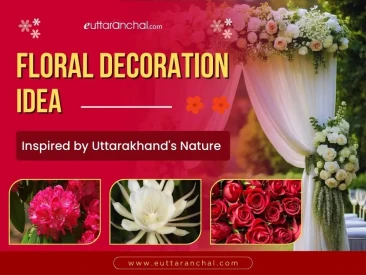
The craft heritage of Uttarakhand may be seen in the decor used in Uttarakhand fusion weddings. Couples prefer to use handwoven fabrics, including Pashminas style shawls, cotton, brassware, copper, and some natural components like pinecones and wildflowers. These traditional materials are compatible with modern decor trends in the form of pastel mandaps, clean drapes, fairy lights, and soft florals.
Venues set in forests and mountains also evoke earthy design, such as wooden seating, open mandaps that allow panoramic views and minimal usage of florals that cause damage to the local biodiversity. The general appearance is usually minimal and comfortably natural, particularly in destinations such as Mukteshwar, Rishikesh and Bhimtal where beautiful scenery readily supplements the decoration.
Local aesthetics are frequently incorporated in bridal and groom outfits. There is Modern lehenga that can be worn by the bride though it is accompanied by a traditional pichora dupatta that has both religious and cultural meanings. Grooms also include Kumaoni or Garhwali stoles, hand-made caps or silver jewellery, based on tribal designs in the area. Designers are designing modern collections with local patterns, fabrics that are lightweight and hand embroidered patterns with Himalayan influence.
Couples also discuss sensible fashion decisions due to the climate, they include layered shawls, winter weddings with velvet accents and breathable fabrics in summer weddings.
The food in Uttarakhand is simple yet nutritious and has different flavors. Local ingredients (including mandua (finger millet), bhatt dal, jhingora, leafy greens, pahadi ghee, local river fish, and traditional desserts like singori) are also becoming part of the cuisine of the couple. These dishes are served by the caterers either in a traditional thali form or in the contemporary plated form.
The standard fusion menu could include staple pairing of Kumaoni raita with world appetizers or having live counters of gahat ke parathe alongside continental stations or even devise tasting menus with local herbs and spices. The practice encourages local farmers and can provide guests with a local culinary experience.
The Uttarakhand culture revolves around music. Ransingha, the dhol damau and the old folk songs make the wedding baraat and the pre-wedding rituals lively. During haldi or mehndi, many couples contract local folk groups to dance chholiya or conduct Mangal Geet.
These events are usually accompanied by contemporary features like acoustic bands, DJ nights, or some playlists that include folk beats with contemporary music. Activities during engagement could be guided forest walks, visiting temples, local craft sessions, or yoga classes in the Ganga which can make the guests feel the local culture of the area.
Some rituals that are typically retained by the couples include Ganesh puja, phera ceremony, vidaai and tilak. They can make certain of their practices more guest friendly as the newcomers who are unfamiliar to Uttarakhandi traditions. Some examples involve couples giving printed or verbal explanations of rituals to the guests to know the cultural significance. Timings can be changed depending on weather or convenience particularly when it is a sunrise pheras or outdoor ceremony.
Nevertheless, the Kumaoni and Garhwali rituals have been in the gist of the marriage at all times and thus the wedding culture is not lost in the fusion process.
Sustainability is an intrinsic aspect in most Uttarakhand weddings since the area is sensitive to the environment. Couples use locally grown flowers, re-purposed decoration as well as organic menus. Planners minimize wastes through biodegradable cutlery utilization in outdoor events, proper disposal of garbage, and the selection of event venues that observe environmental-friendly operations.
It is also important to support communities. Most weddings employ local folk artists, craft vendors, and caterers, which can contribute to spreading economic benefits in the area. Homestays, small-scale transport providers, and small or medium size hotels are getting more popular as compared to large external vendors.
Logistics become a challenge due to weather, terrain and space constraint in some hill towns. In higher altitudes such as Auli and Chopta, winter leads to snow whereas, the monsoons restrict outdoor activities because of a lot of rain and the closure of roads. Towns such as Mussoorie and Nainital have venues that can host large events whereas remote places are suitable when holding small events.
Couples usually check out the venue prior to booking dates, accessibility of facilities by older people, the presence of medical facilities and travel arrangements. Local planners are beneficial since they know about season trends and availability of vendors.
Although the expectation of the couples is to display the traditions of Uttarakhand it is also necessary to ensure that guests are comfortable. Warm shawls, hot drink booths, covered walkways and well-informed communication on the terrain can make the guests feel comfortable. In ceremonies that are close to rivers or forests, planners take care of the safety and accessibility.
The destination wedding business in Uttarakhand is still on the increase particularly to couples that want intimate weddings. Prices will differ with the type of venue, number of guests, decor, and time of the year. Rishikesh, Jim Corbett and Mussoorie have premium properties, with full packages available, whereas the more customized events can be done in Kumaon in the boutique cottages.
Couples tend to move towards 2-3day celebrations consisting of a moderate portion of traditional celebration, leisure, and customized meal. This form is manageable and makes sure that the visitors explore the region in its entirety.
Fusion weddings of Uttarakhand are a lovely option to blend the modern tastes with the Himalayan culture. The combination of the Garhwali and Kumaoni culture with the modern elements, personalized services, and sustainable options makes the weddings in the area feel easy, meaningful, and relevant to the identity of the area. Couples can make weddings that are meaningful and do not fail to bring love to the community through careful planning and consideration of the local traditions and their desire of the way they want the weddings to be.