High Altitude Mountain Passes in Uttarakhand
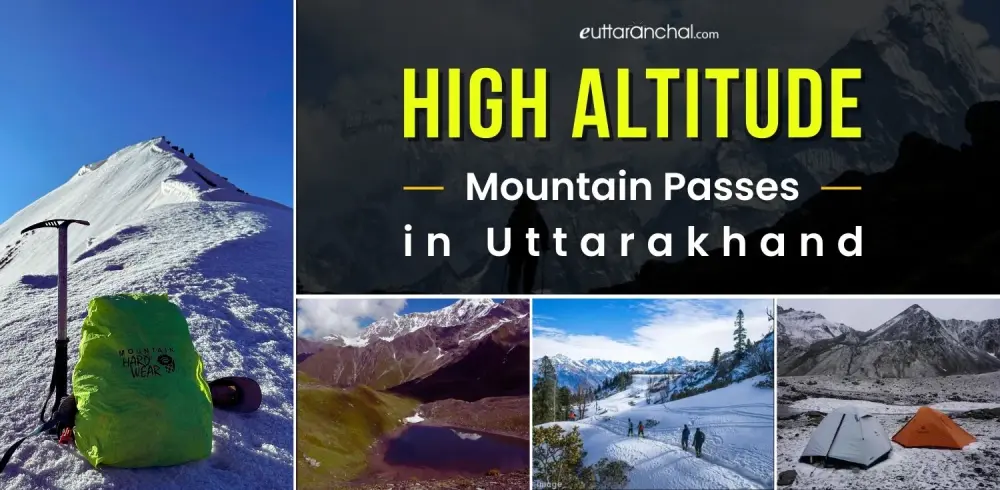
High altitude mountain passes in Uttarakhand connect remote valleys, ancient trade routes, and border regions, offering some of the most dramatic Himalayan landscapes. These passes are known not only for adventure and trekking but also for their historical importance in trans-Himalayan movement and cultural exchange.
Uttarakhand shares a cherished portion of the western Himalayas that embraces picturesque landscapes, ancient temples, and the unique Himalayan culture. Apart from this, Uttarakhand also holds a group of highest and toughest Mountain passes in the world.
A Mountain pass is a trail through the arduous mountain range or over a ridge. Have a quick look at the list of the glorious Mountain passes of Himalayas in Uttarakhand and back your bags to leave for an anonymous travel.
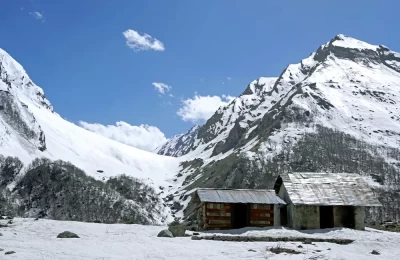
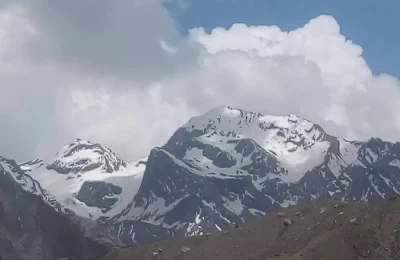
Many of these Himalayan passes remain snowbound for most of the year and are accessible only during a short summer window. They are considered among the best high-altitude destinations in Uttarakhand for experienced trekkers, mountaineers, and explorers seeking raw wilderness.
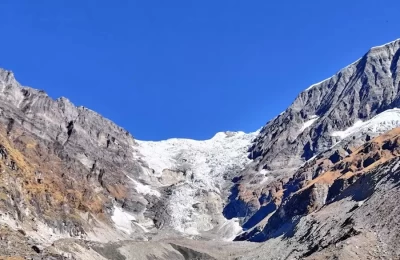
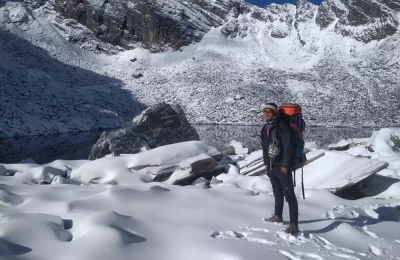
Exploring these mountain passes offers a rare glimpse into untouched alpine terrain, glacial valleys, and high-altitude ecosystems of the state. Proper preparation, local guidance, and awareness of weather conditions are essential while planning to visit these extreme yet rewarding places.
Get answers to questions about your travel plan. Here you'll find helpful information about activities, travel tips, safety guidelines, and seasonal recommendations.
Q: Which are the most famous high altitude mountain passes in Uttarakhand?
A: Some of the most famous high altitude mountain passes in Uttarakhand include Mana Pass, Lipulekh Pass, Kalindi Khal, and Kuari Pass. These passes are known for their extreme altitude, breathtaking landscapes, and trekking challenges.
Q: What is the highest mountain pass in Uttarakhand?
A: Mana Pass is one of the highest motorable mountain passes in Uttarakhand, located near the India–China border. Due to its strategic importance, special permits are required to visit.
Q: What is the importance of mountain passes in Uttarakhand?
A: Mountain passes were ancient trade routes between India and Tibet and today are important for trekking, mountaineering, and border connectivity.
Q: Which mountain passes are best for trekking in Uttarakhand?
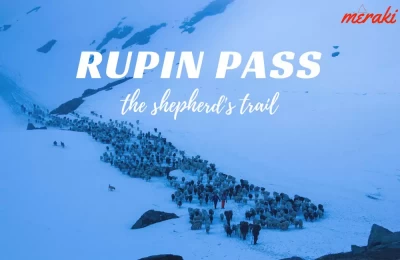
A: Kuari Pass, Rupin Pass, Borasu Pass, and Kalindi Khal are among the best trekking passes offering glaciers, alpine meadows, and stunning Himalayan views.
Q: Is Lipulekh Pass open for tourists?
A: Lipulekh Pass is mainly used for the Kailash Mansarovar Yatra and general tourist access is restricted due to its strategic location.
Q: What is Kalindi Khal famous for?
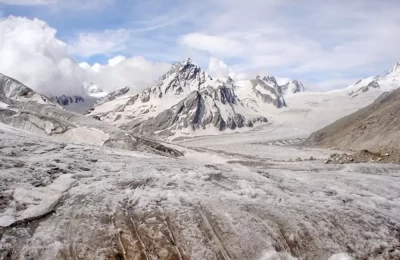
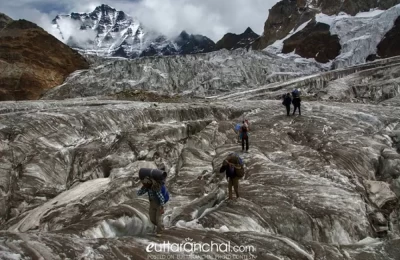
A: Kalindi Khal is one of the toughest high-altitude trekking passes, connecting Gangotri and Badrinath valleys through glaciers and snowfields.
Q: What is the best time to visit mountain passes in Uttarakhand?
A: Most high altitude passes are accessible from June to September when weather conditions are relatively stable.
Q: Are mountain passes safe for beginners?
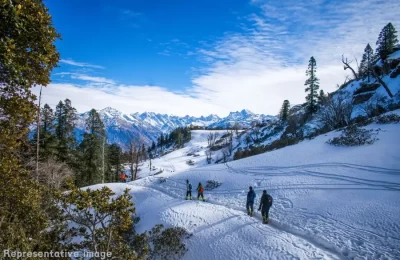
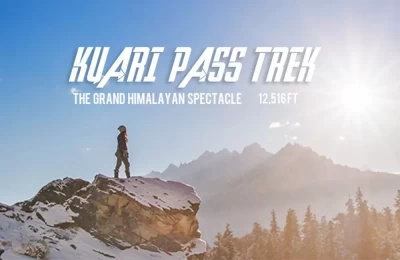
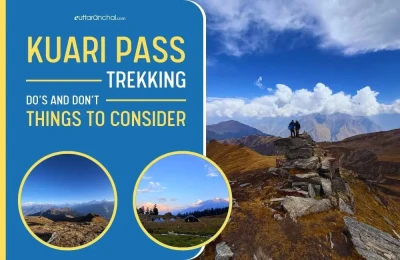
A: Most passes are challenging and not suitable for beginners, but Kuari Pass is considered beginner-friendly with proper guidance.
Q: Are permits required to visit high altitude passes?
A: Yes, passes near international borders like Mana Pass and Lipulekh Pass require special government permits.
Q: What makes Uttarakhand mountain passes unique?
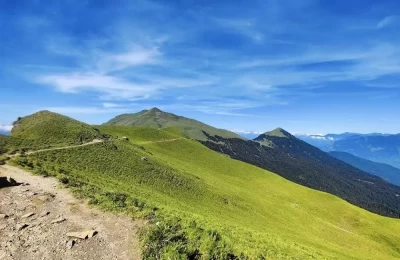
A: They offer glaciers, alpine meadows, high-altitude lakes, and ancient trade routes, showcasing untouched Himalayan wilderness.
Q: Which mountain pass connects to the Kailash Mansarovar route?
A: Lipulekh Pass serves as the gateway to the Kailash Mansarovar Yatra from the Kumaon region.
Q: Why are these passes popular among adventure seekers?
A: Adventure lovers are attracted by the challenging terrain, dramatic Himalayan views, glaciers, and remote untouched landscapes.