Top 10 Historical Temples with Amazing Architecture in Uttarakhand

Uttarakhand is home to several ancient temples that reflect the architectural, cultural and religious history of the Himalayas. Many of these temples were built by the Katyuri, Chand and other regional dynasties, while some are associated with Adi Shankaracharya and important Hindu pilgrimage traditions.
This list highlights some of the most important historical temples in Uttarakhand that are known for their age, architecture and historical significance.
Historical Temples of Uttarakhand Known for Their Architecture
1. Kedarnath Temple
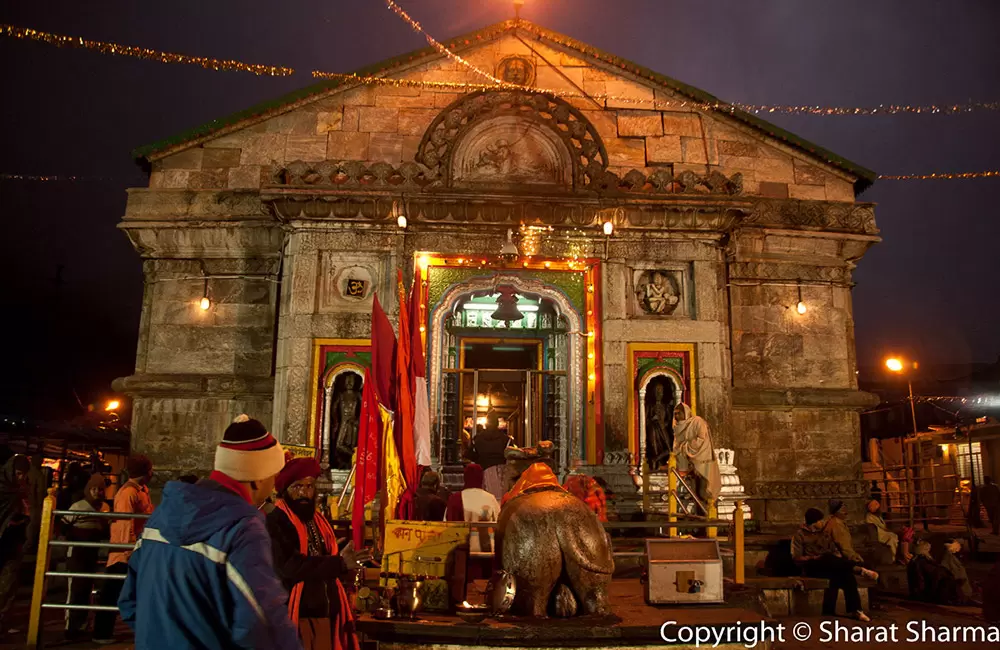
Kedarnath Temple is one of the oldest stone temples in the Himalayas and is believed to have been revived by Adi Shankaracharya during the 8th century. Built using massive interlocking stone slabs without modern cement, the temple has survived centuries of harsh Himalayan weather. Its traditional North Indian stone architecture, sanctum and assembly hall make it one of the finest examples of ancient Himalayan temple construction.
2. Tungnath Temple
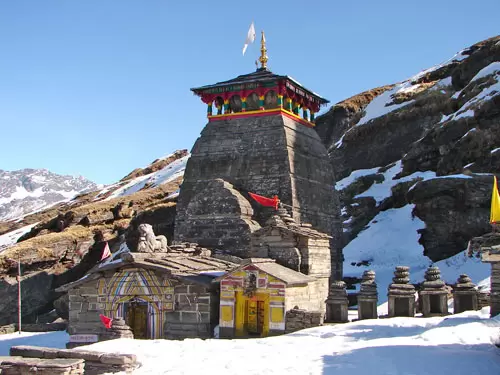
Tungnath Temple is regarded as one of the world's highest Shiva temples and forms part of the Panch Kedar pilgrimage. The temple features traditional Himalayan stone architecture with a compact sanctum, stone mandapa and intricately carved entrance. Its construction style closely resembles other ancient temples of the Garhwal Himalayas.
3. Baleshwar Temple Champawat
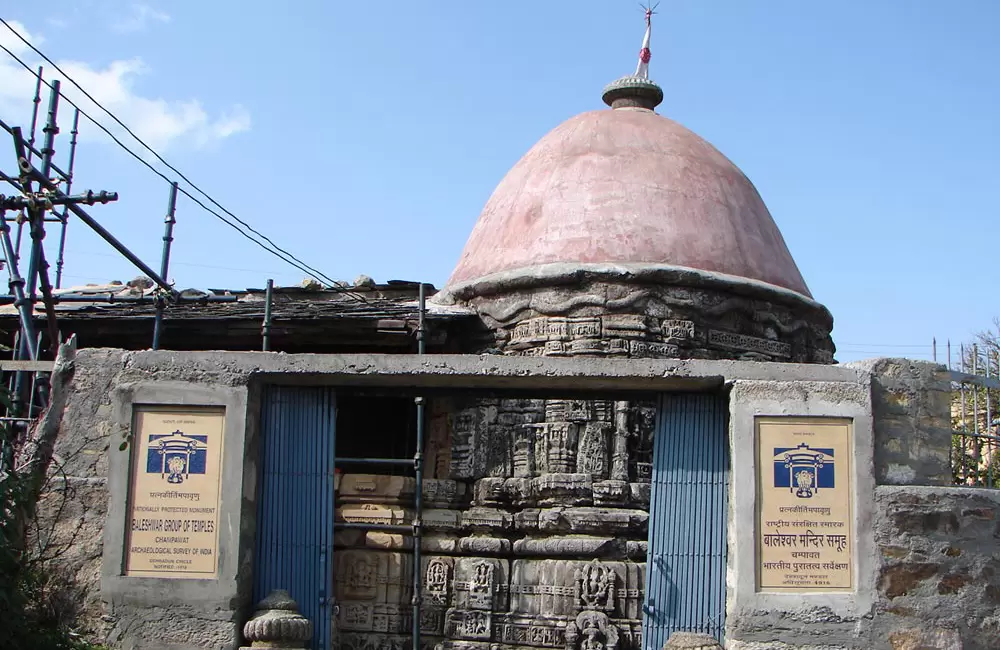
Baleshwar Temple in Champawat is an important example of medieval temple architecture built during the Chand dynasty. Dedicated to Lord Shiva, the temple is known for its finely carved stone walls, decorative doorways and detailed sculptures. The Archaeological Survey of India protects the temple as a monument of national importance.
4. Katarmal Sun Temple
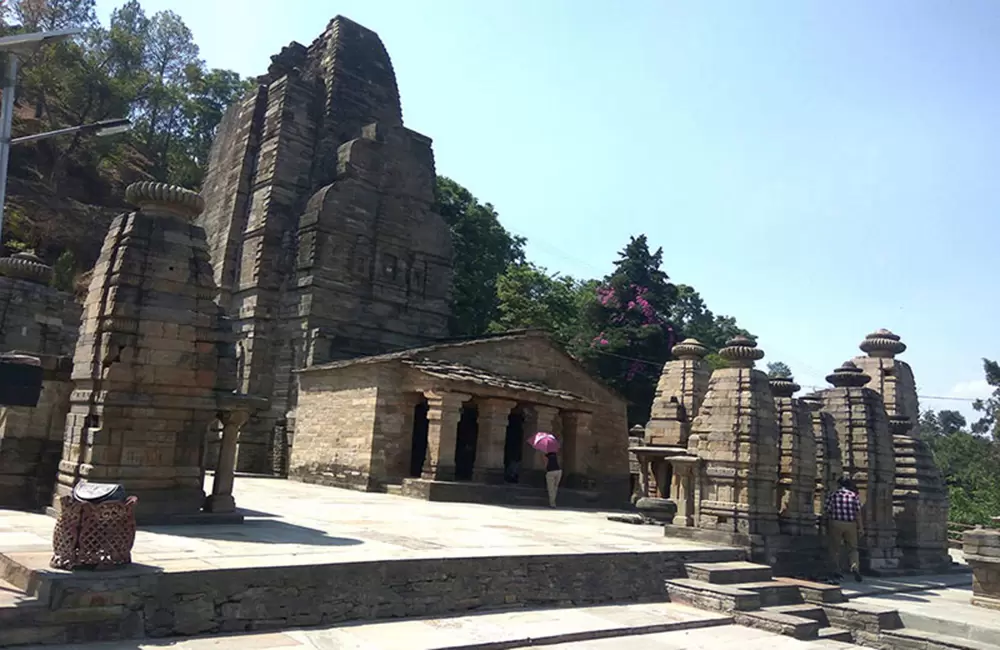
Katarmal Sun Temple was built during the 9th century by the Katyuri ruler Katarmalla. Dedicated to Surya, it is one of the few surviving ancient Sun temples in India. The temple complex consists of the main shrine surrounded by several smaller shrines and is known for its intricate stone and wooden carvings.
5. Mahasu Devta temple
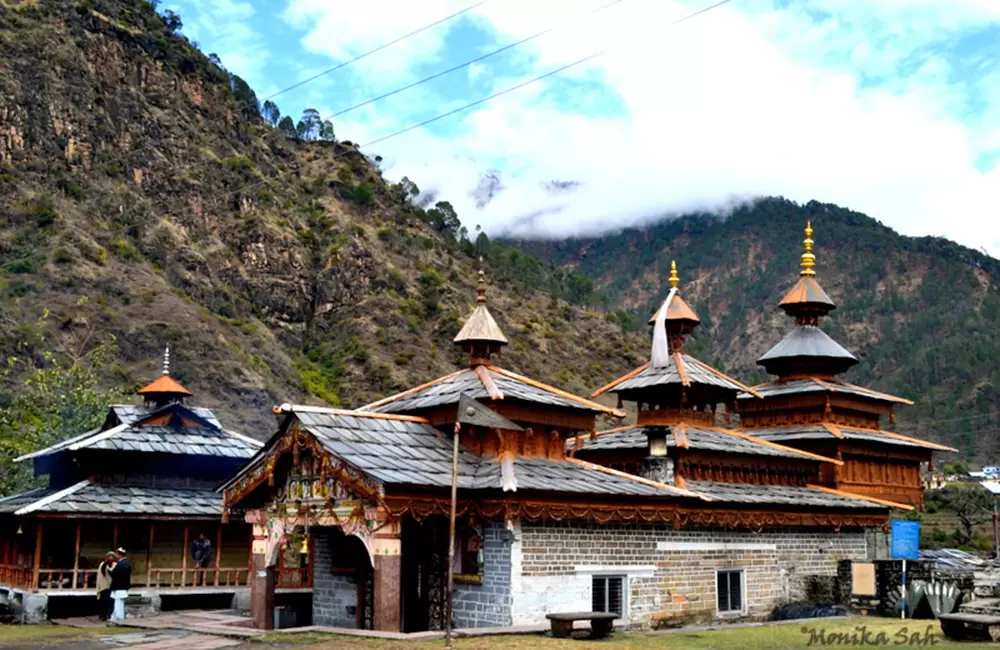
Mahasu Devta Temple at Hanol is believed to date back to the 9th century and is an important example of traditional wooden and stone Himalayan architecture. Dedicated to Mahasu Devta, the temple combines Huna and regional architectural styles. It is protected by the Archaeological Survey of India because of its historical and architectural significance.
6. Lakhamandal
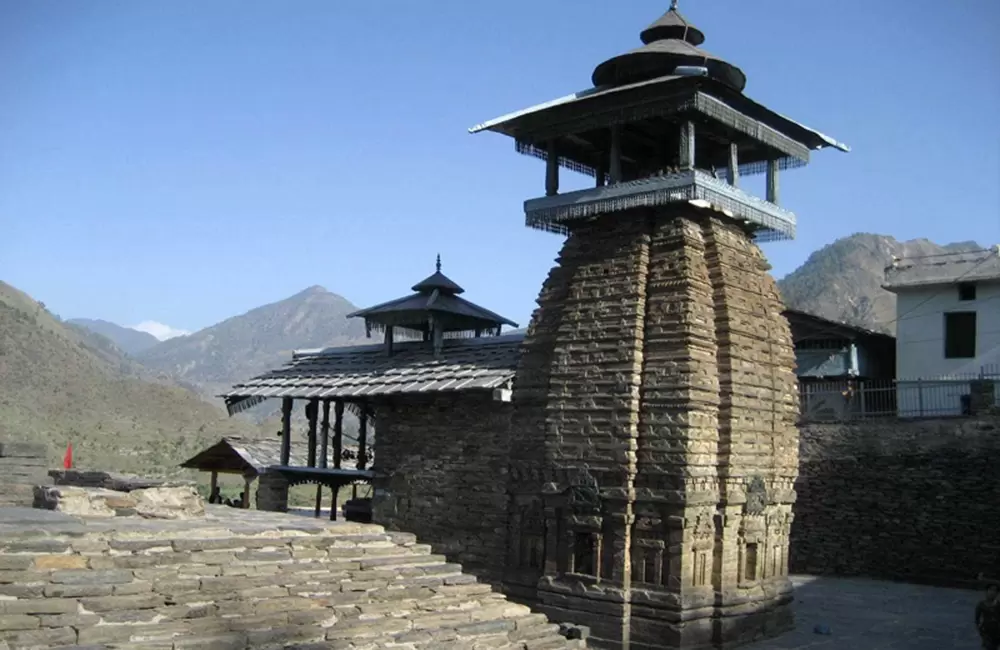
Lakhamandal is an ancient temple complex located in the Jaunsar-Bawar region of Dehradun district. Dating between the 12th and 13th centuries, the temple is dedicated to Lord Shiva and is built in the Nagara style of architecture. The site contains several stone sculptures, inscriptions and archaeological remains that highlight the region's medieval temple-building tradition. The Archaeological Survey of India protects the temple complex because of its historical and architectural importance.
7. Triyuginarayan Temple
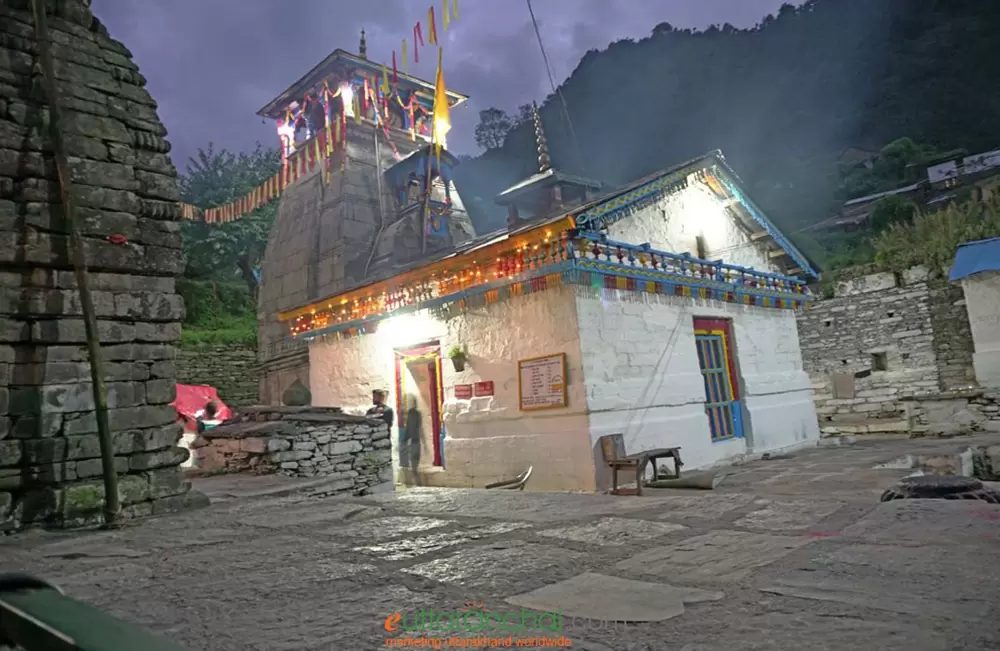
Triyuginarayan Temple is an ancient Vishnu temple in Rudraprayag district and is traditionally associated with the marriage of Lord Shiva and Goddess Parvati. The temple features classic Himalayan stone architecture with a central sanctum and ancient stone courtyard. Its historical setting and traditional construction make it one of the important heritage temples of Uttarakhand.
8. Baijnath Temple, Bageshwar
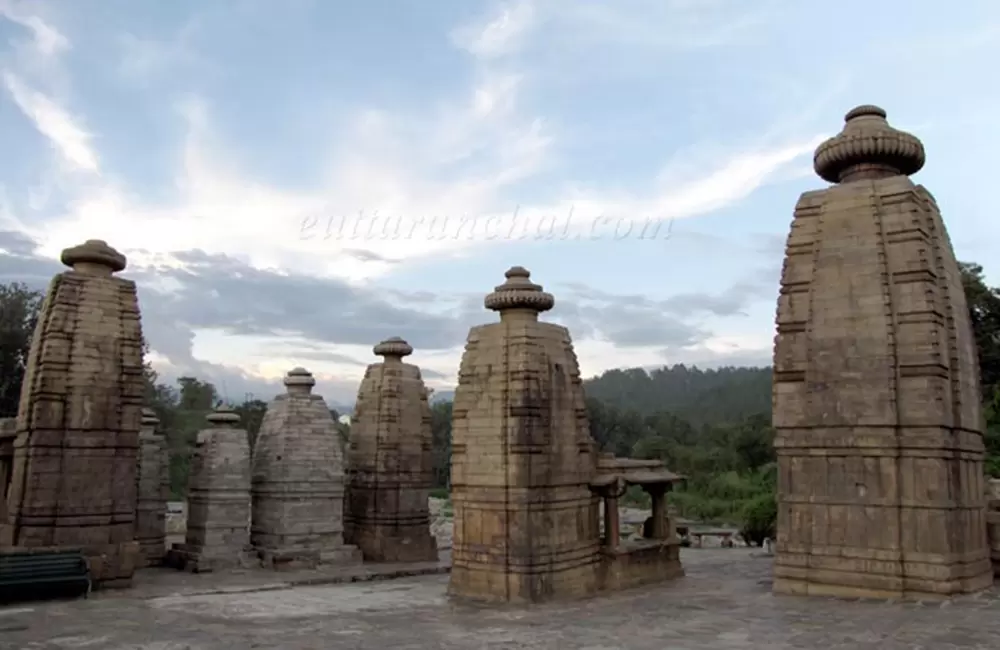
Baijnath Temple is a group of ancient stone temples built by the Katyuri rulers around the 12th century on the banks of the Gomti River. Dedicated to Lord Shiva in the form of Vaidyanath, the temple complex is known for its finely carved stone architecture, detailed sculptures and well-preserved medieval craftsmanship.
9. Devalgarh
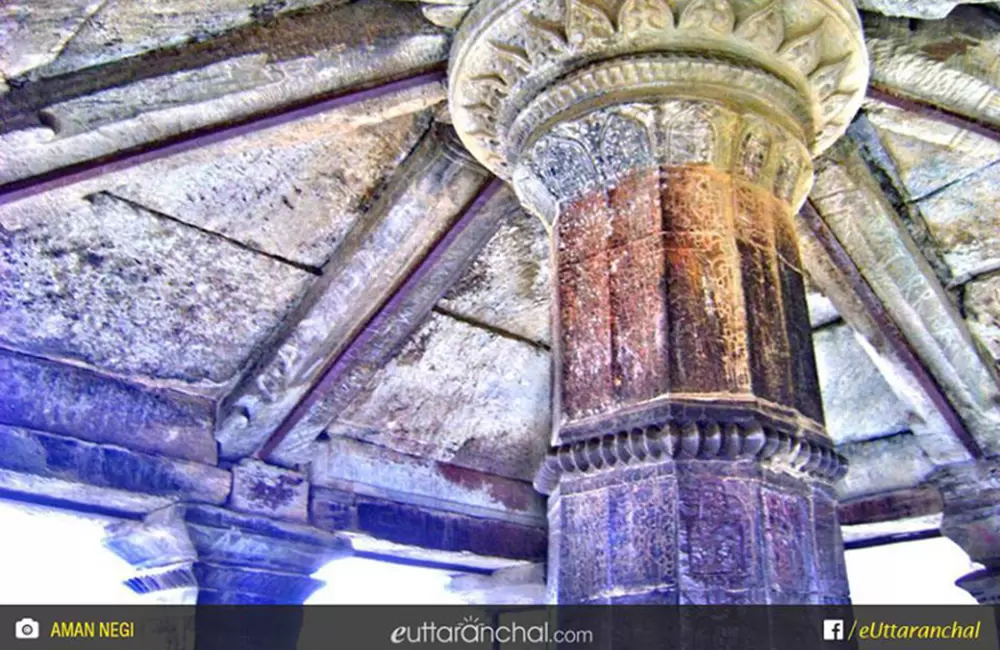
Devalgarh was once the capital of the Garhwal Kingdom before Srinagar became the political centre. The town preserves several ancient temples, including Raj Rajeshwari Temple and Lakshmi Narayan Temple, which display traditional Garhwali stone architecture. Many of these heritage structures are protected by the Archaeological Survey of India because of their historical significance.
10. Jageshwar
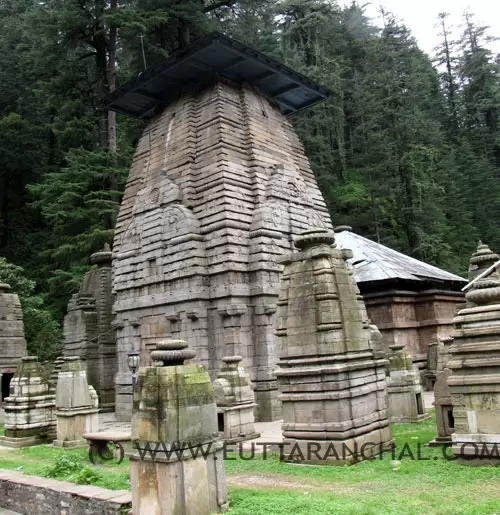
Jageshwar is one of the largest ancient temple complexes in Uttarakhand, consisting of more than 120 stone temples constructed between the 9th and 13th centuries. Built mainly during the Katyuri and Chand periods, the temples represent the Nagara style of architecture and feature finely carved stone entrances, shikharas and sculptures. Several temples within the complex are protected monuments under the Archaeological Survey of India.